When thinking about the Peruvian landscape, one of the first images that comes to mind is a majestic Andean camelid in front of Machu Picchu. It’s an iconic scene that leads many travelers to assume that the llama is the national animal of Peru. However, the answer is a bit more complex, and it is closely tied to the country’s rich history, evolving economy, and diverse biodiversity.
In this guide, we will explore Peru’s national symbols and introduce you to the wildlife you might encounter during your journey. Here, you won’t just visit destinations you’ll gain a deeper understanding of the natural and cultural heritage that makes this country truly unique.
Table of Contents
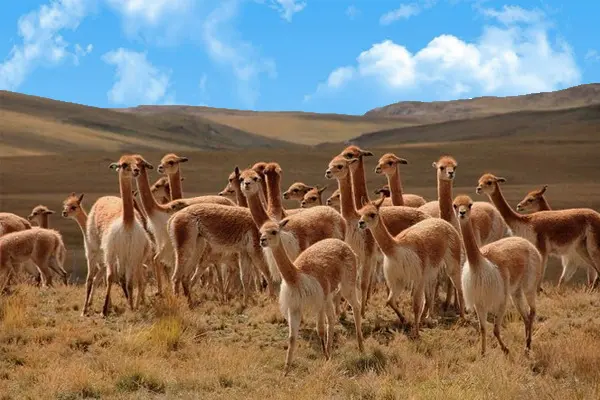
If you look closely at the Peruvian coat of arms, featured on the national flag and currency, you will notice a slender and elegant animal in the upper left quadrant. This is the vicuña, the true national animal of Peru and one of the most important symbols of the country’s natural heritage.
The importance of the vicuña goes far beyond its appearance. It produces one of the most exclusive natural fibers in the world, often considered the finest wool on the planet. During the Inca Empire, this precious fiber was reserved for royalty, highlighting its value and prestige. Today, it remains a symbol of luxury and tradition deeply connected to Andean culture.
Its story is also a remarkable example of recovery. In the 1960s, the vicuña was on the brink of extinction due to overhunting. Thanks to intensive conservation efforts, it has made a strong comeback and is now recognized as a symbol of successful wildlife conservation in the Andes.
If you want to see these graceful animals in their natural habitat, you can find them roaming freely across high-altitude plains in places like the Pampa Galeras National Reserve or during a scenic tour through the Aguada Blanca Reserve, often visited on the way to the Colca Canyon.
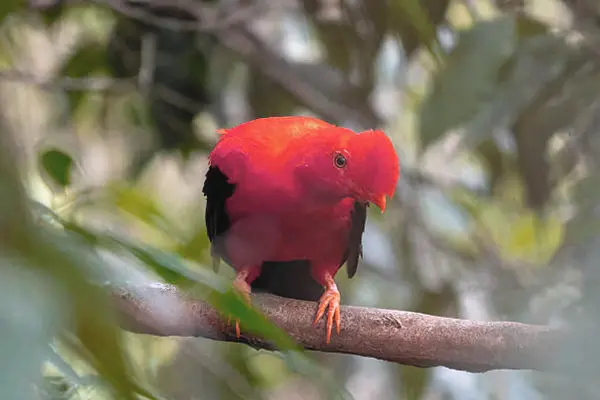
While the vicuña symbolizes the high Andes, the Andean cock-of-the-rock holds the title of the national bird of Peru, representing the vibrant cloud forests that stretch along the eastern slopes toward the Amazon. Known locally as “Tunqui”, this bird is one of the most exotic species found in the country.
What makes the Andean cock-of-the-rock truly unforgettable is its striking appearance. Males display bright scarlet or vivid orange plumage, complemented by a distinctive fan-shaped crest that looks almost unreal in person. Beyond its looks, the species is famous for its unique behavior, particularly the “lek” mating dance, where groups of males gather to perform energetic displays, jumping, calling, and competing for the attention of females.
For travelers and birdwatching enthusiasts, spotting this bird in its natural habitat is a once-in-a-lifetime experience. Some of the best places to see it include the lush forests near Manu National Park and the lower cloud forests around Machu Picchu Pueblo, where the environment provides the perfect habitat for this iconic species.
For many visitors, the distinction between Peru’s "Big Four" camelids is confusing. Here is a quick breakdown to help you identify them on your next trip:
| Animal | Role | Characteristics |
| Vicuña | National Symbol | Small, wild, extremely fine golden wool. Cannot be domesticated. |
| Llama | The Worker | Large, banana-shaped ears. Used for centuries as a pack animal to carry goods. |
| Alpaca | The Fiber Producer | Smaller than llamas, very fluffy. Bred specifically for their high-quality wool used in sweaters. |
| Guanaco | The Rare Wild Relative | Larger than vicuñas, wild, and found mostly in the southern Andean regions. |
Beyond its official symbols, Peru stands out as one of the most biodiverse countries in the world, offering an incredible variety of wildlife across its diverse landscapes. When traveling to this place, the experience goes beyond the main destinations; you will also have the opportunity to spot some of the country’s most fascinating species.
One of the most breathtaking sights is the Andean condor, known as the largest flying bird in the world. Watching these birds soar effortlessly over the Colca Canyon is often a highlight of any Peru itinerary, as they skillfully ride the thermal currents. Equally unique is the Peruvian Hairless Dog, an ancient breed deeply connected to the country’s past and recognized as part of its national heritage. These dogs were frequently depicted in the ceramics of pre-Columbian cultures such as the Moche and Chimú, making them a living link to Peru’s history.Another rare and special encounter is the spectacled bear, the only bear species native to South America. Often associated with the beloved character Paddington, this animal inhabits the high-altitude forests near Machu Picchu, where dense vegetation provides the perfect shelter. Spotting one in the wild is not guaranteed, but knowing they live in these landscapes adds a sense of wonder to your journey.
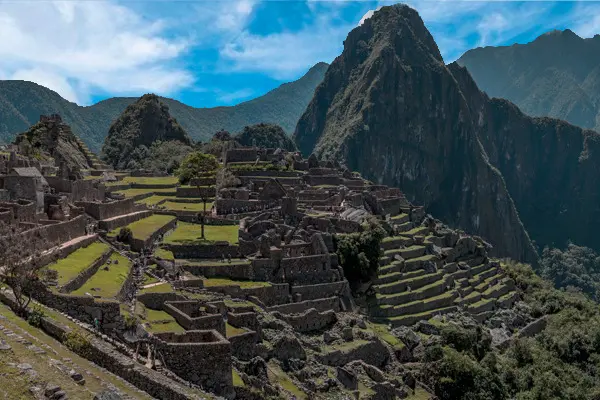
Understanding what the national animal of Peru represents allows you to connect more deeply with the country’s culture, history, and landscapes. It’s not just about recognizing the vicuña, but about appreciating the stories, traditions, and ecosystems that define Peru as a whole.
Our goal is to immerse you in authentic wildlife and cultural experiences, whether it’s witnessing a traditional Chaccu ceremony the ancestral practice of shearing vicuñas or exploring the cloud forest in search of the vibrant Andean cock-of-the-rock.
If you’re ready to experience a different side of Peru, now is the perfect time to start planning. Begin your 2026 wildlife adventure today and discover the country in a meaningful and unforgettable way.