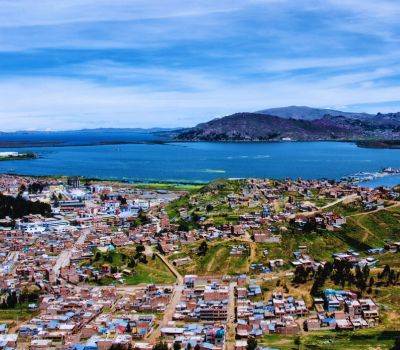

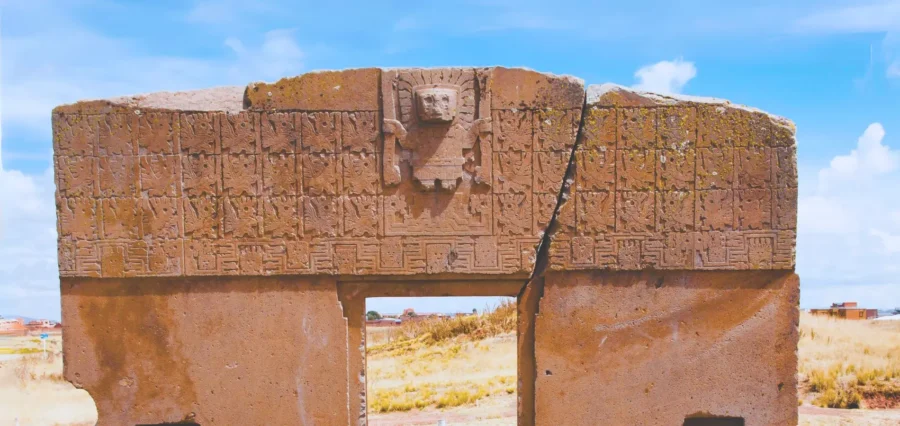
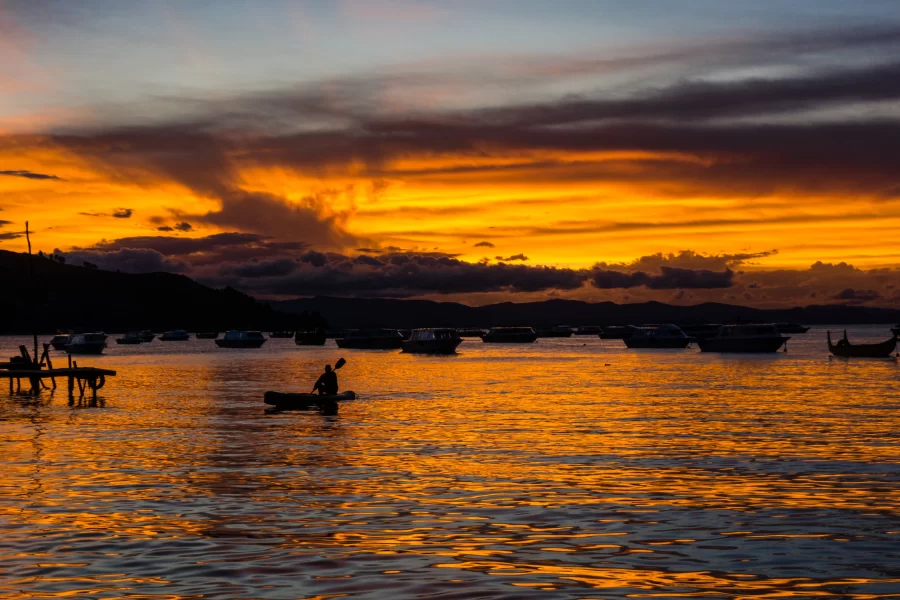
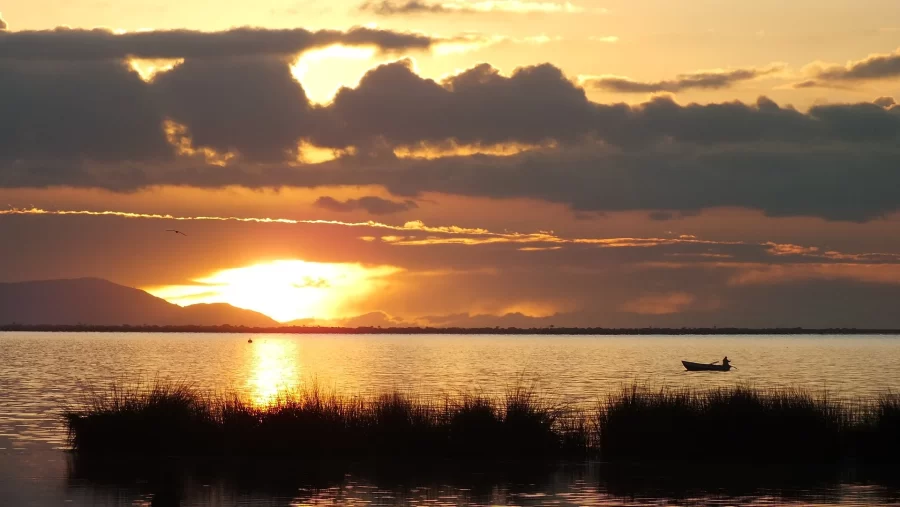
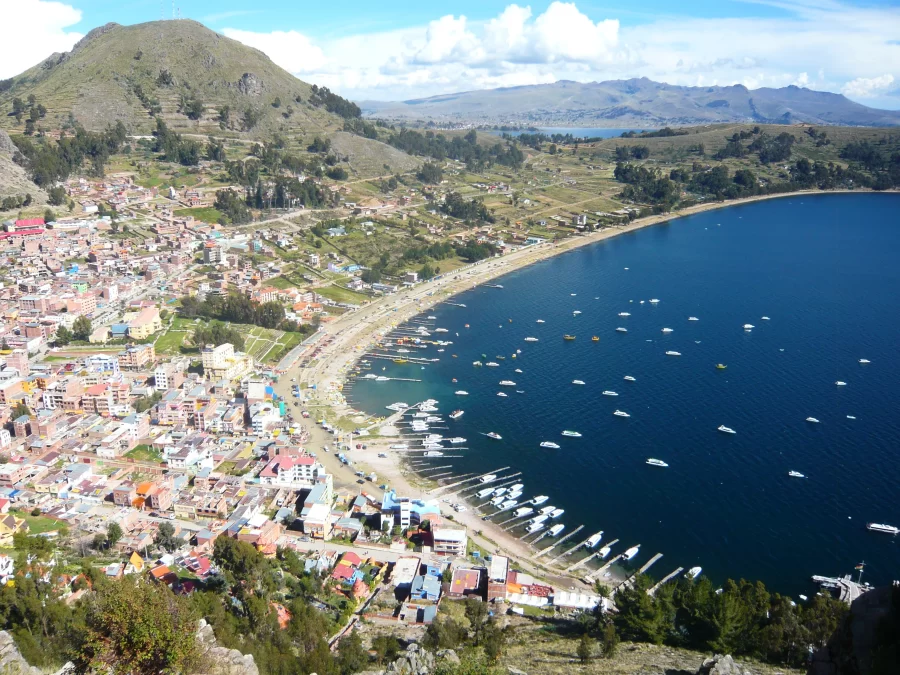
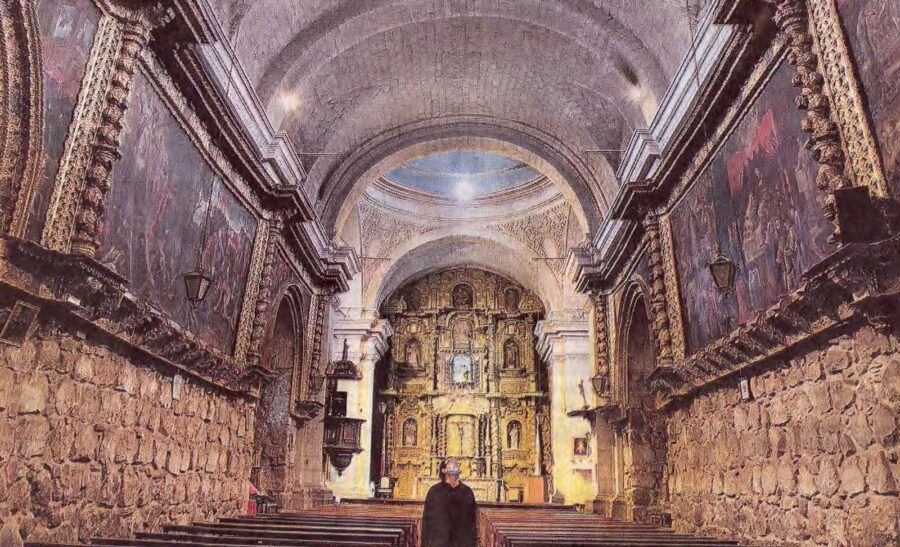
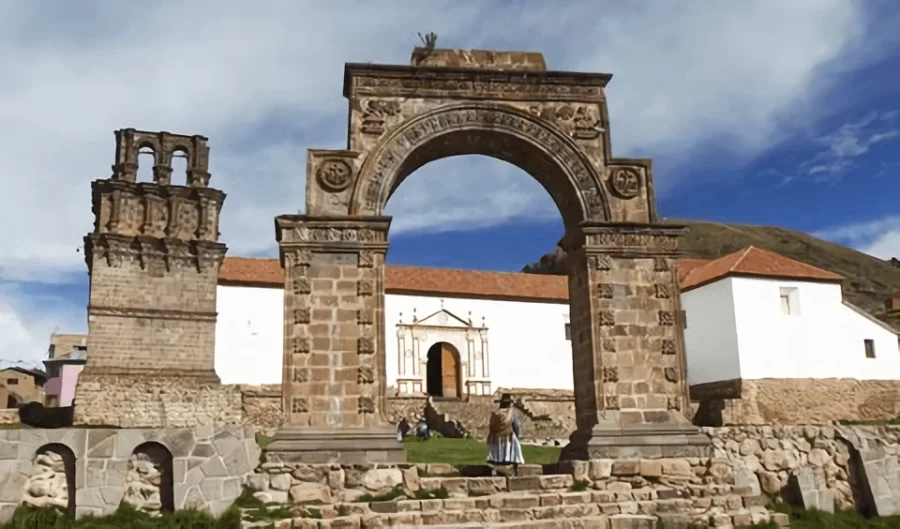
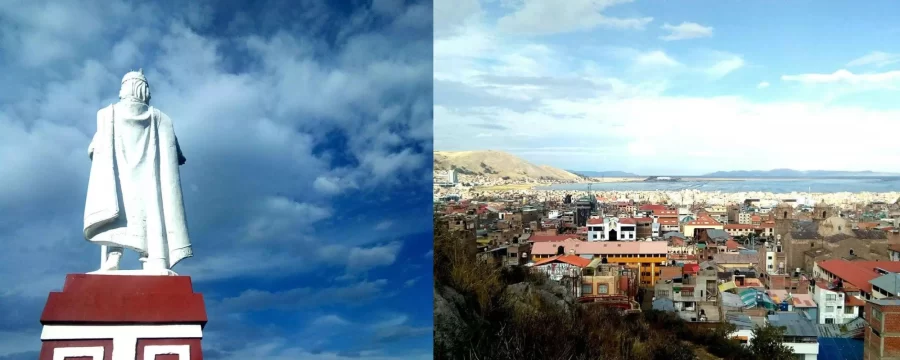
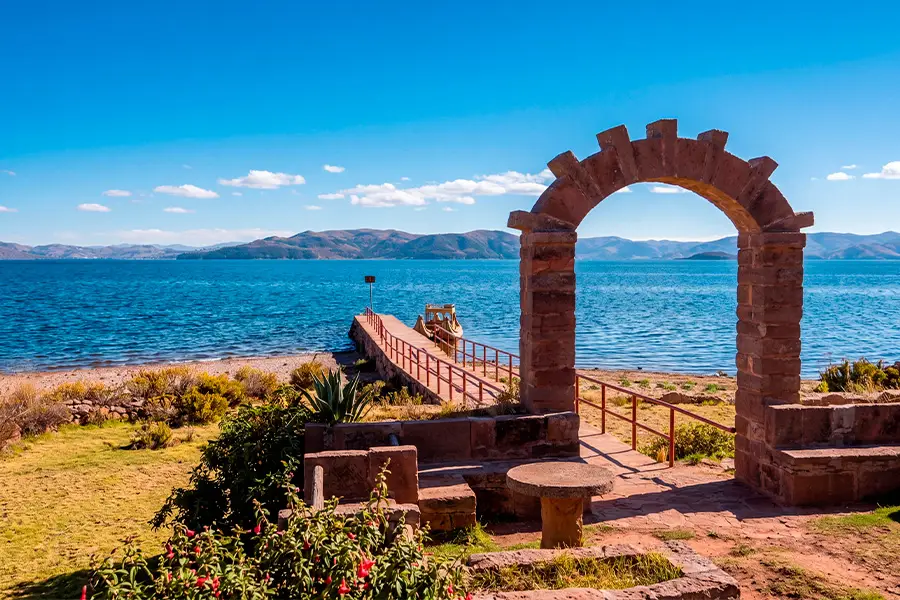
Known as the Folkloric Capital of Peru, Puno is a city steeped in history, tradition, and cultural richness, located on the shores of the majestic Lake Titicaca. Its identity is deeply rooted in Andean cultures and ancient civilizations that left behind significant archaeological, religious, and artistic legacies throughout the region.
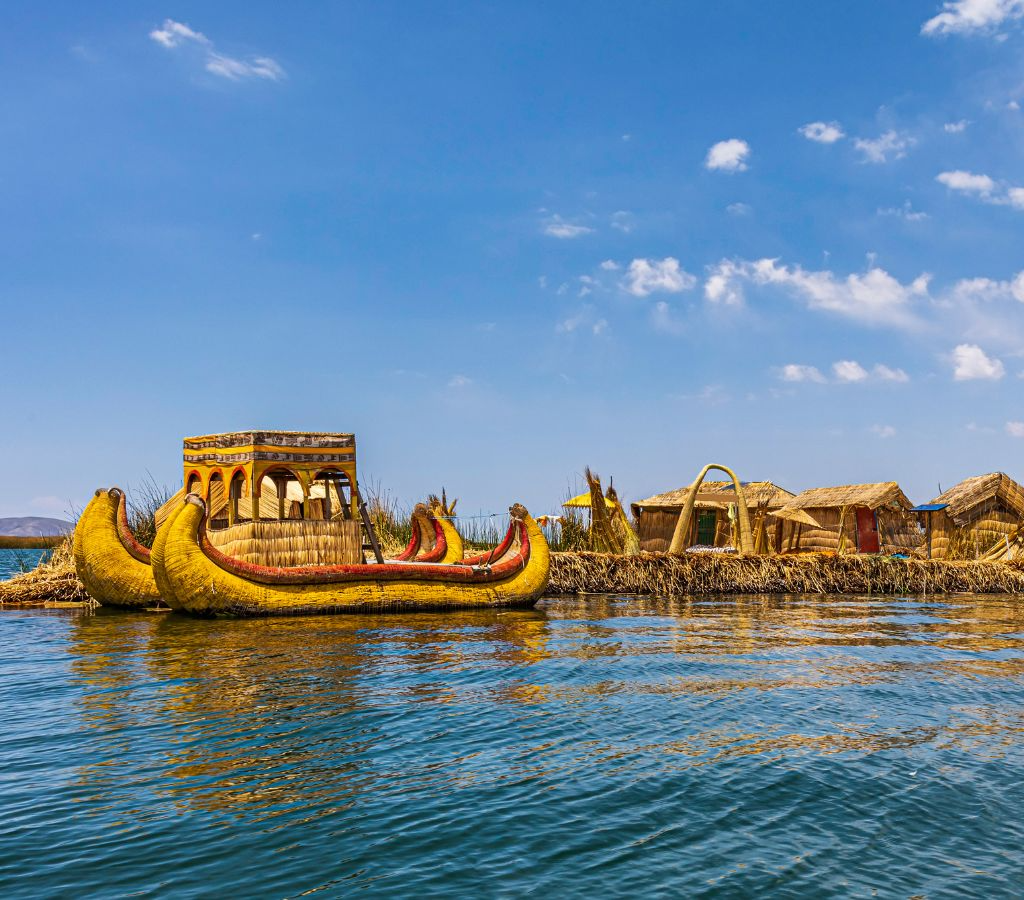
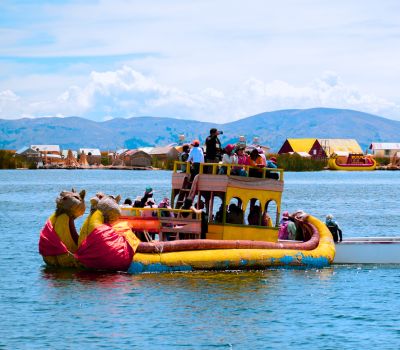
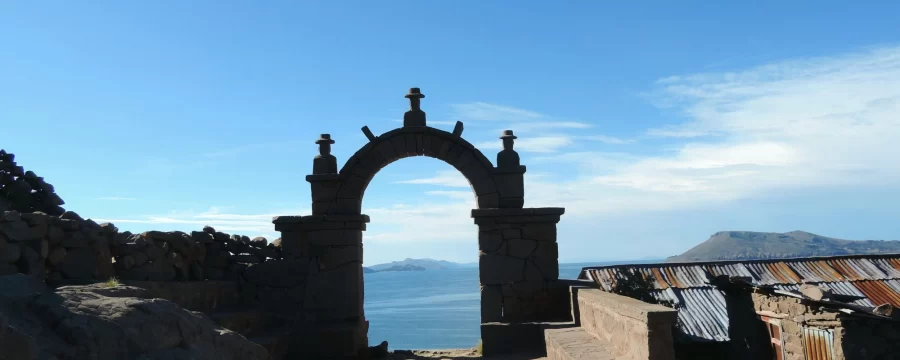
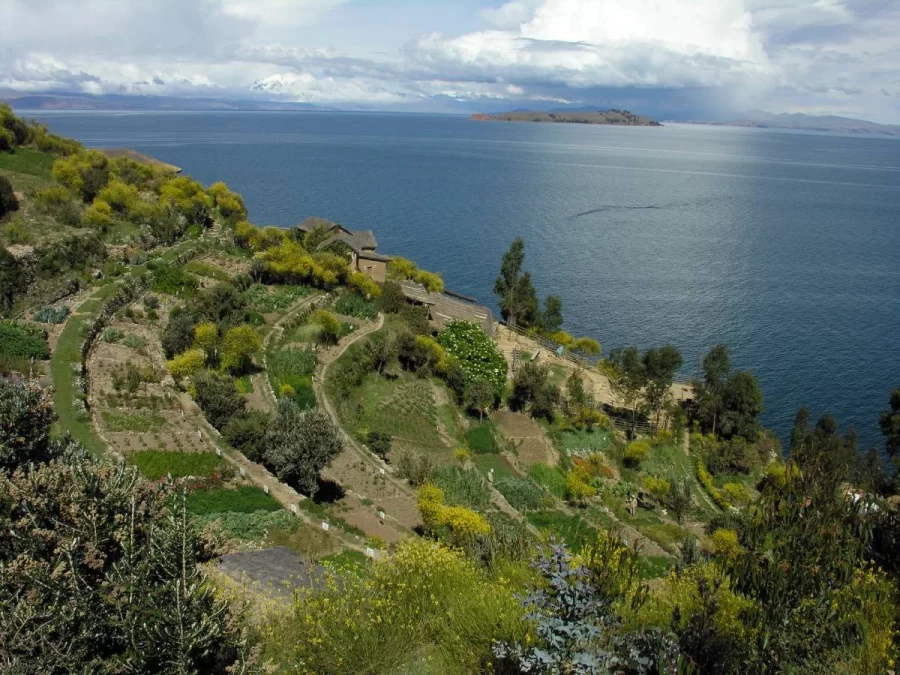
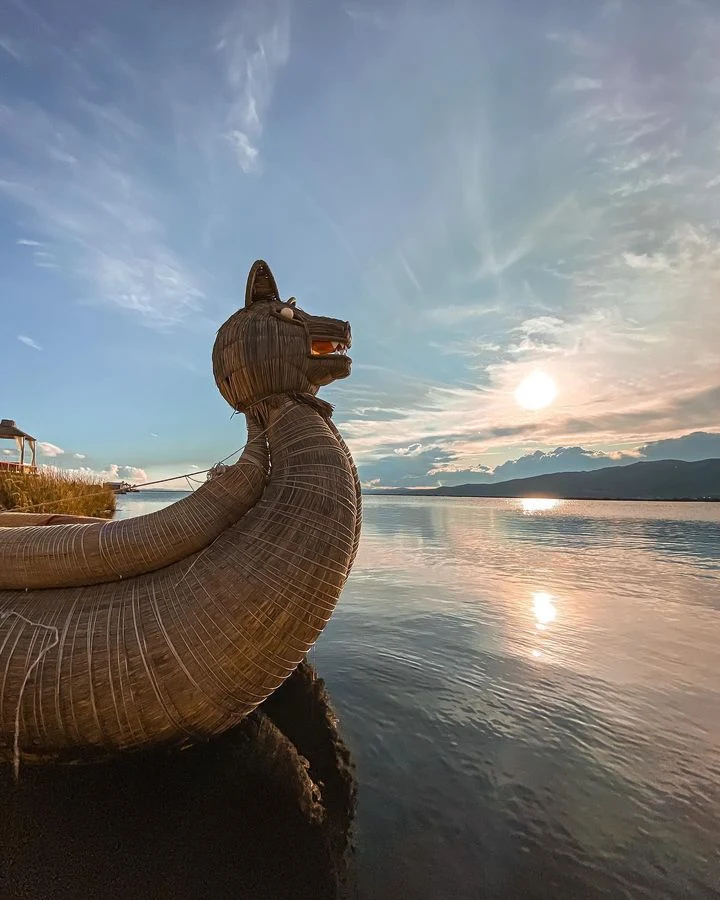
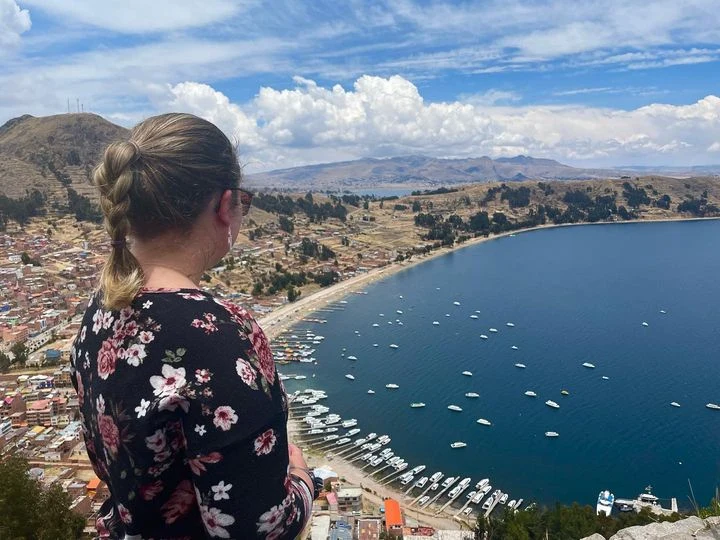
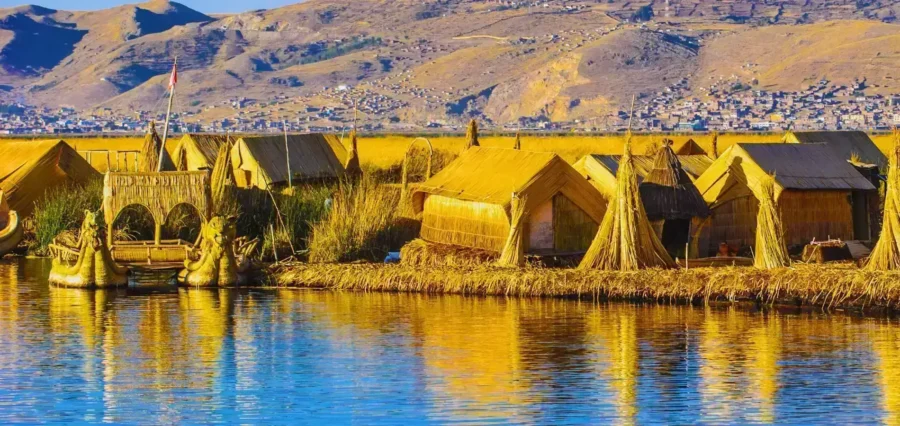
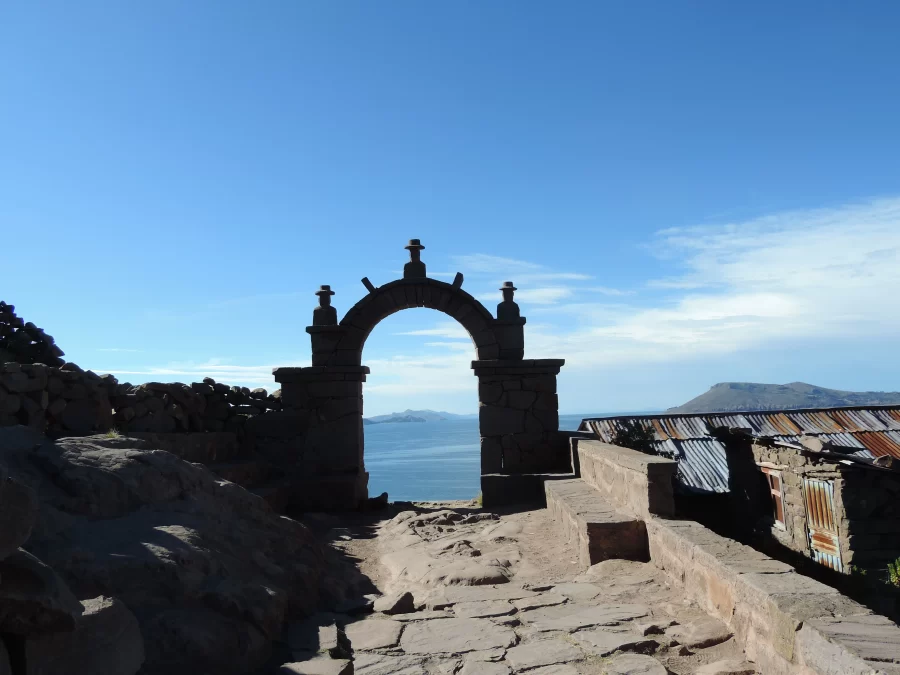
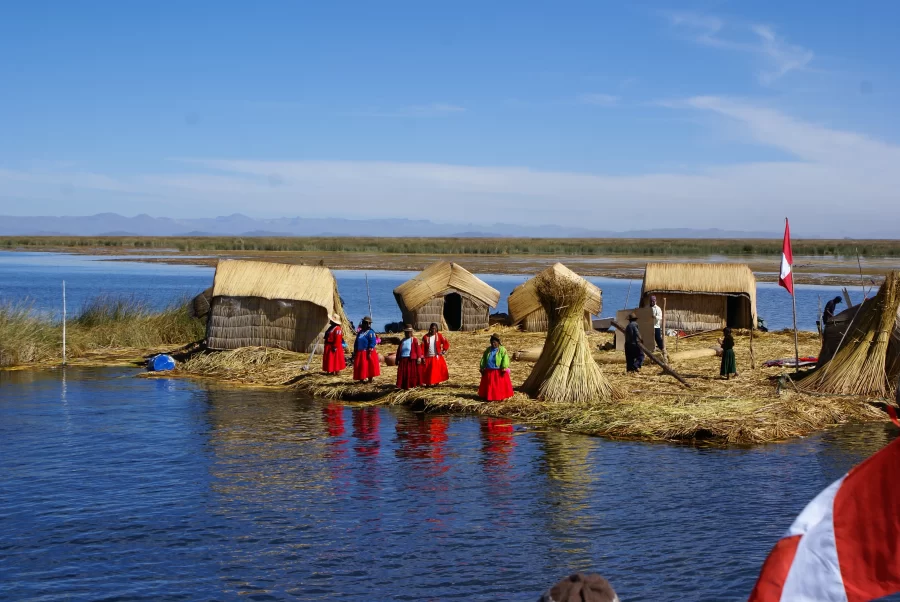
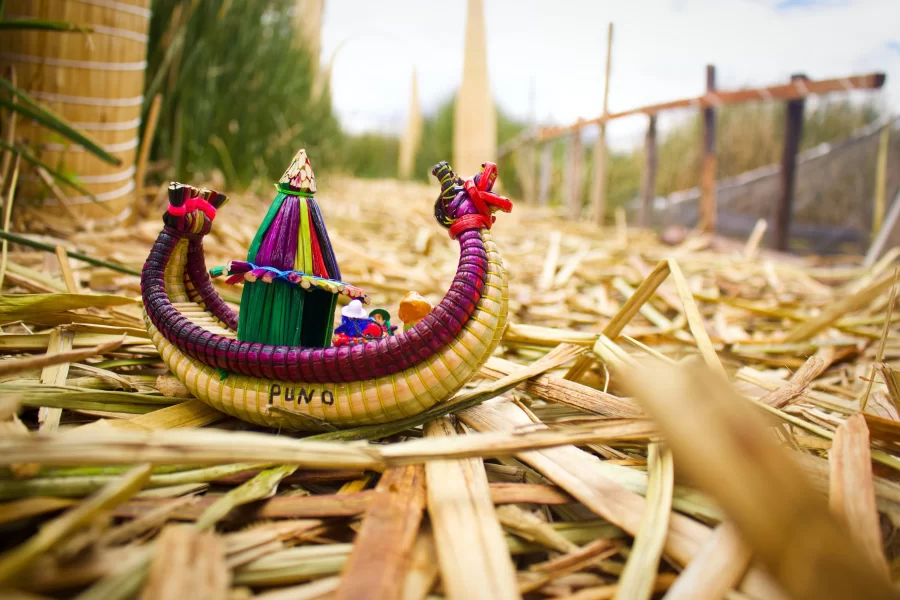
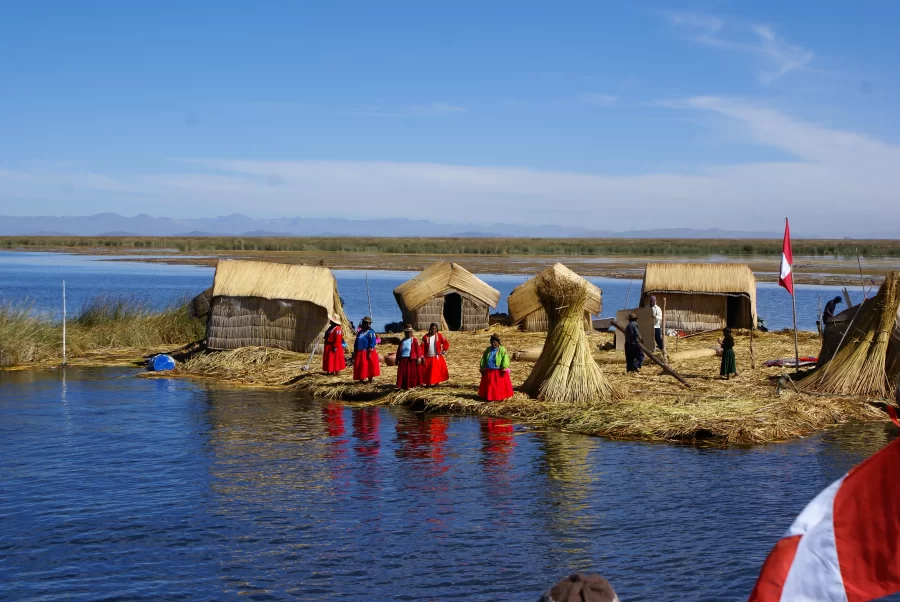
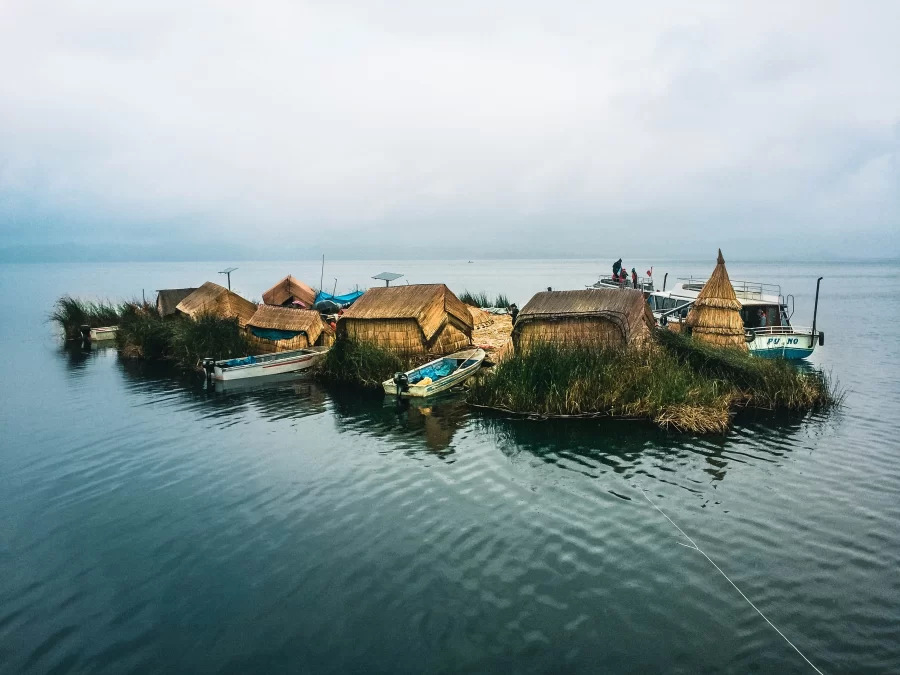
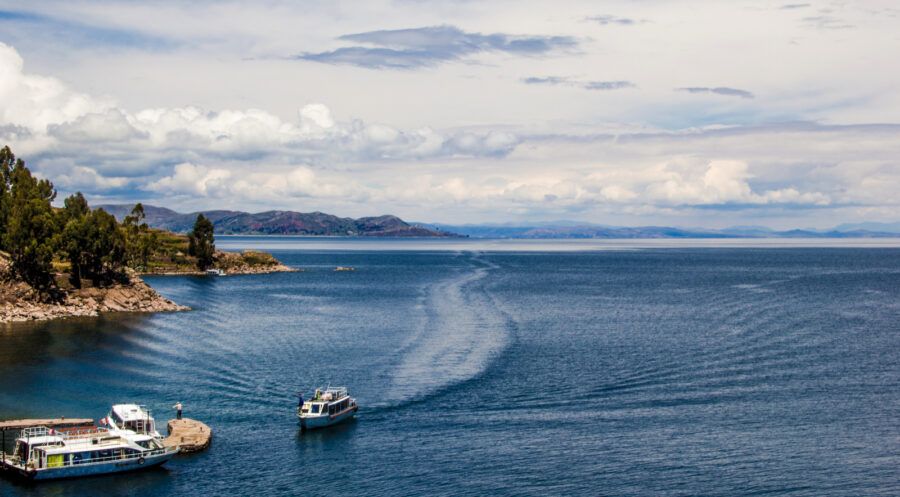
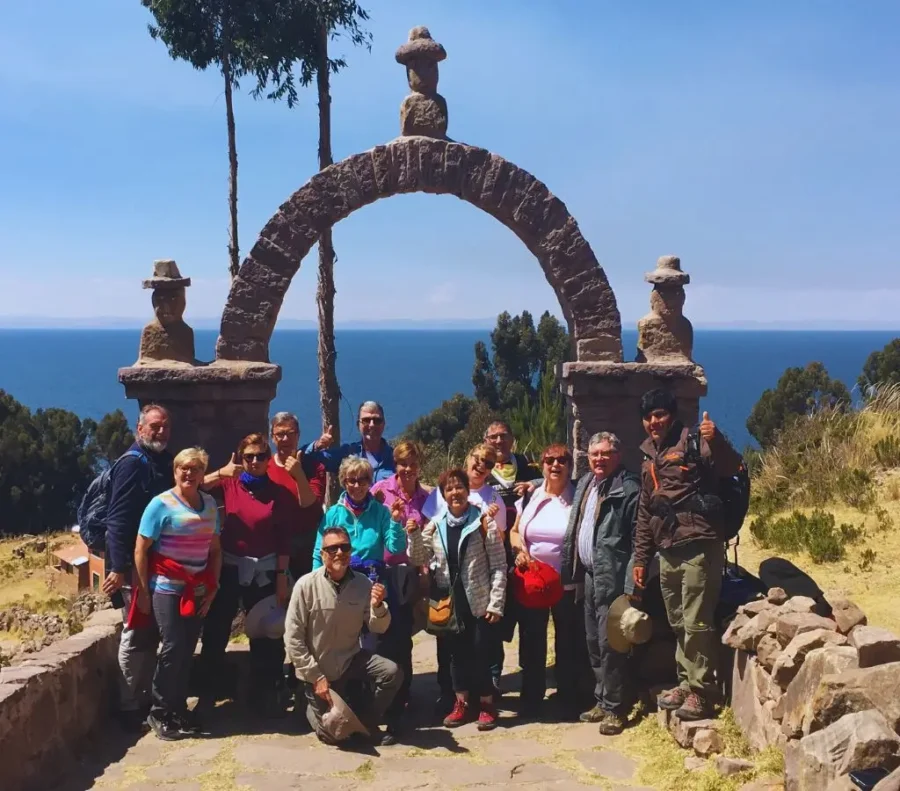
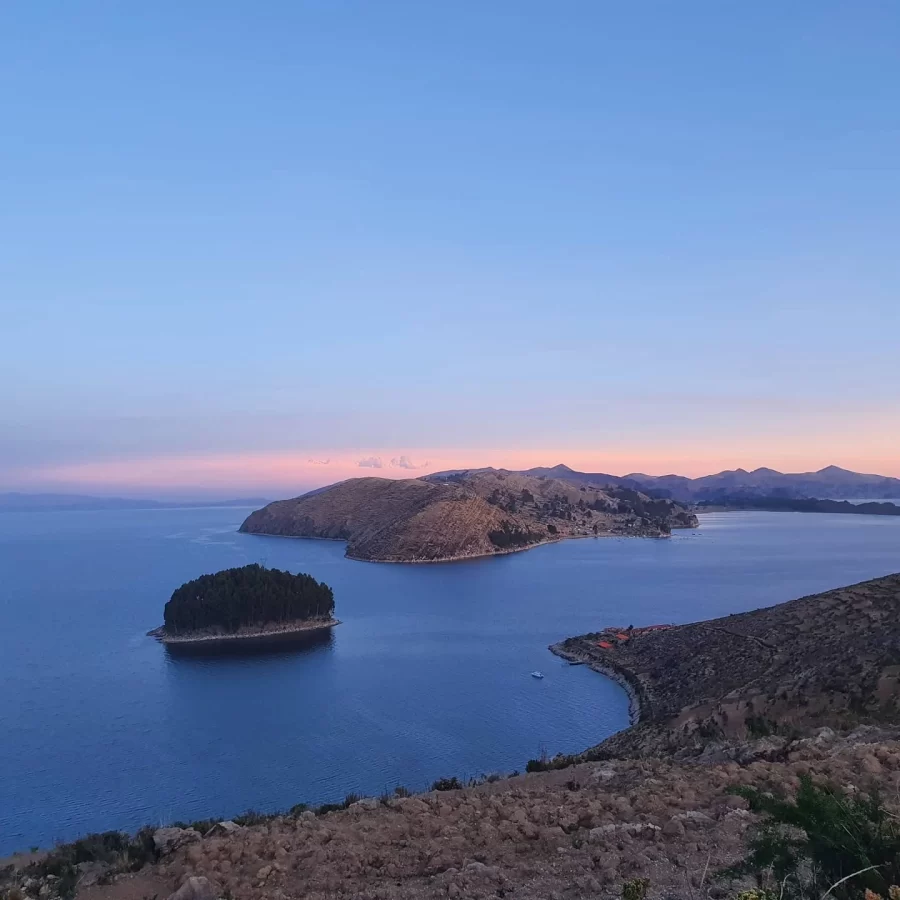
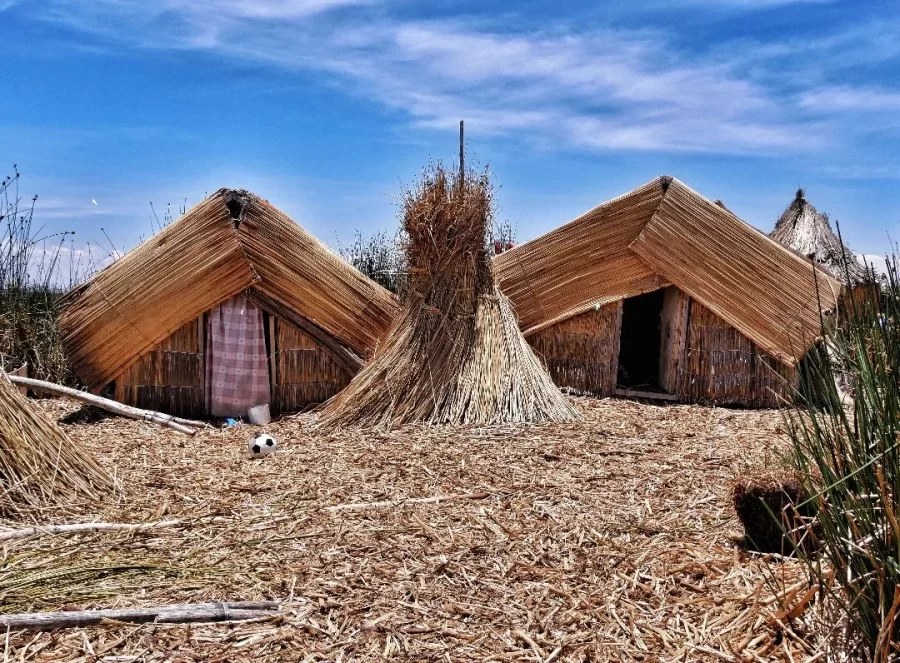
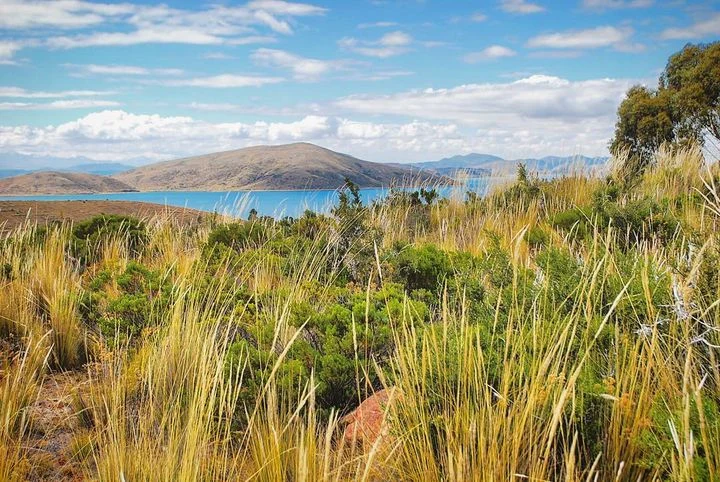
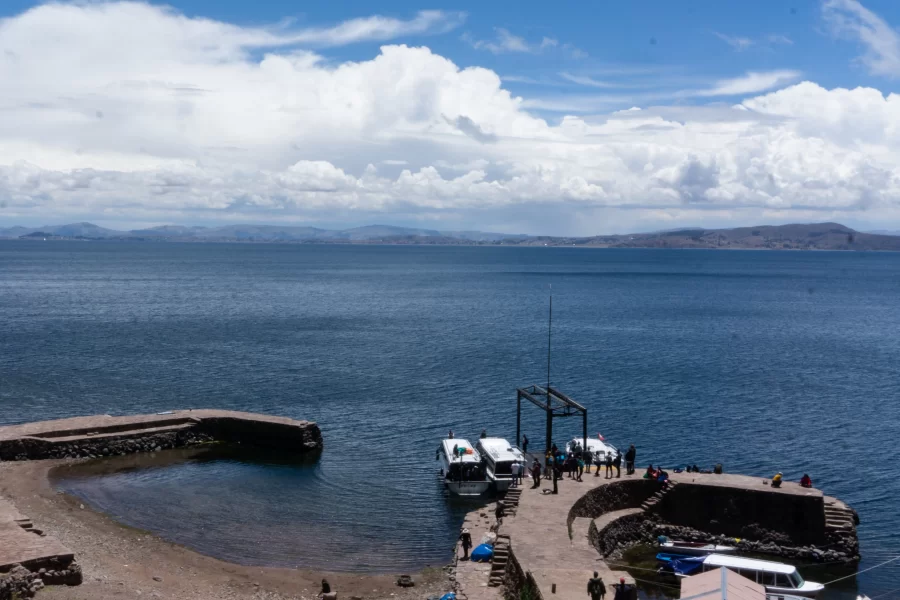
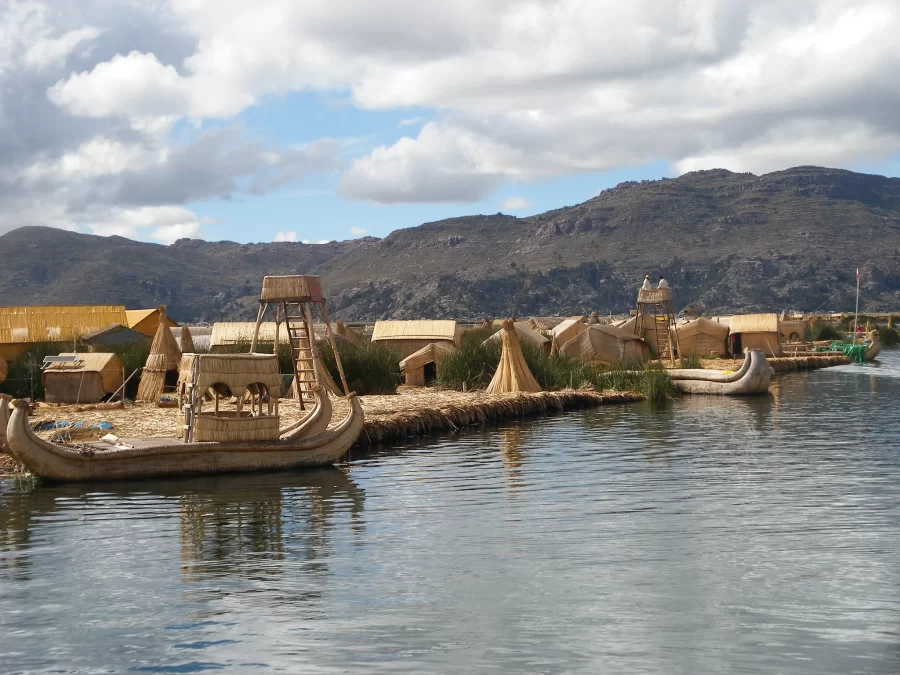
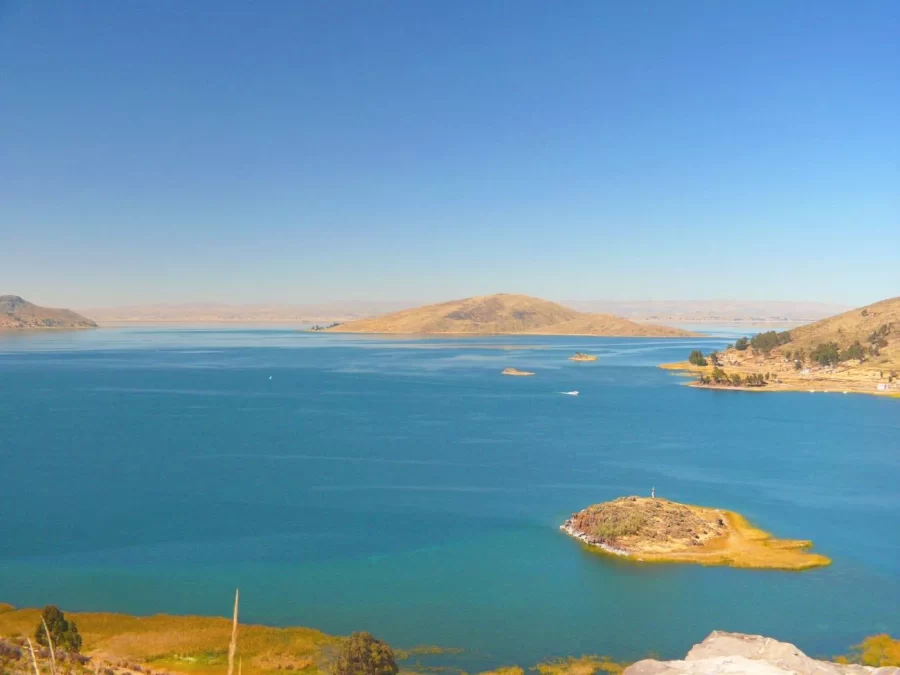
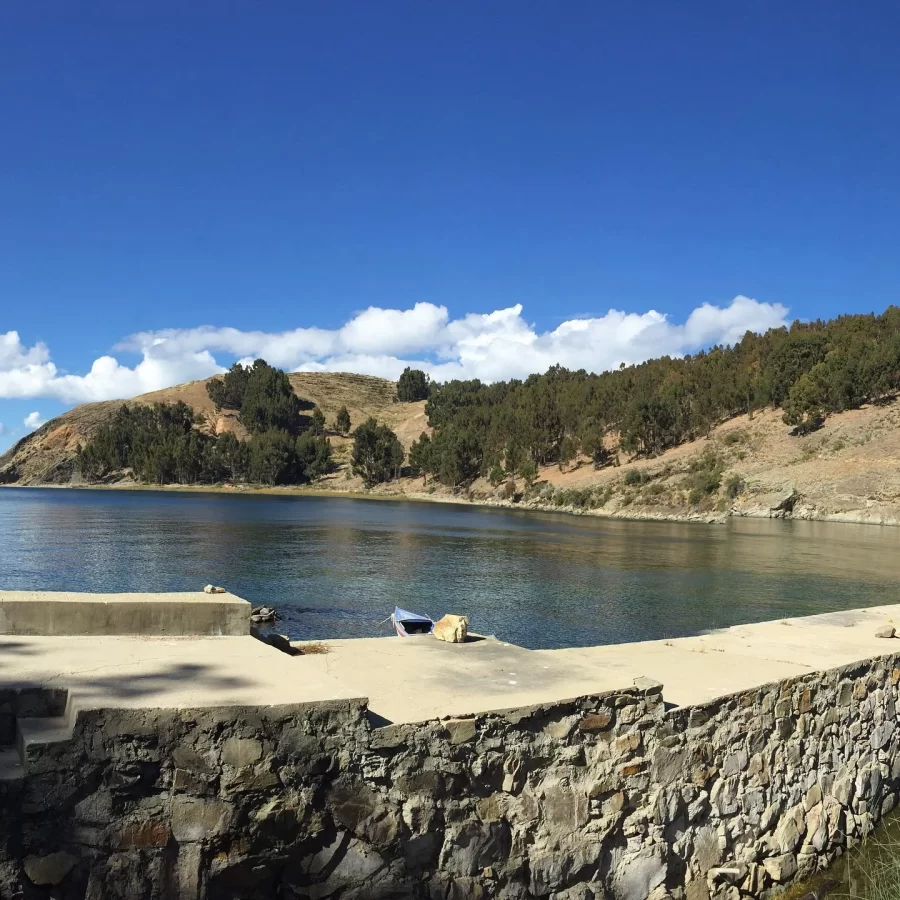
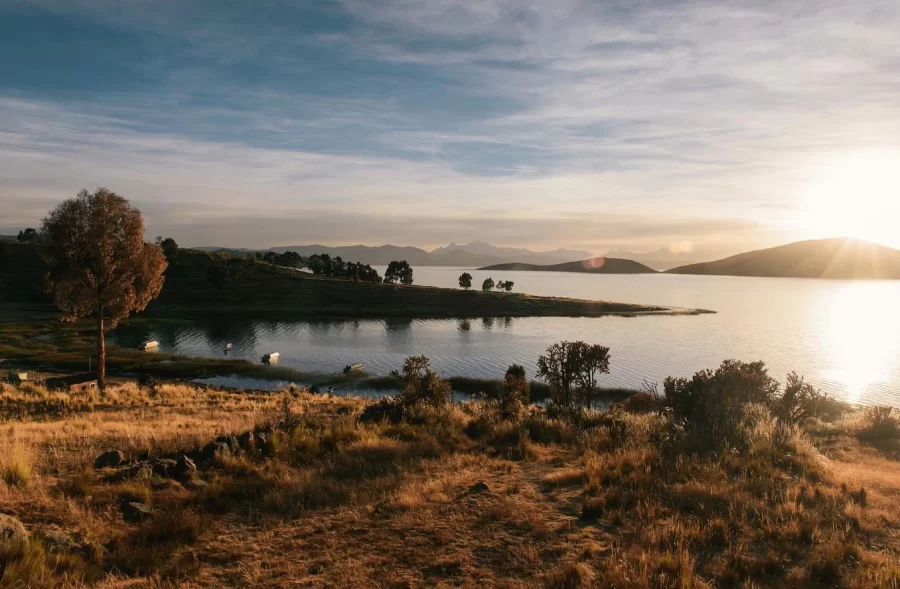
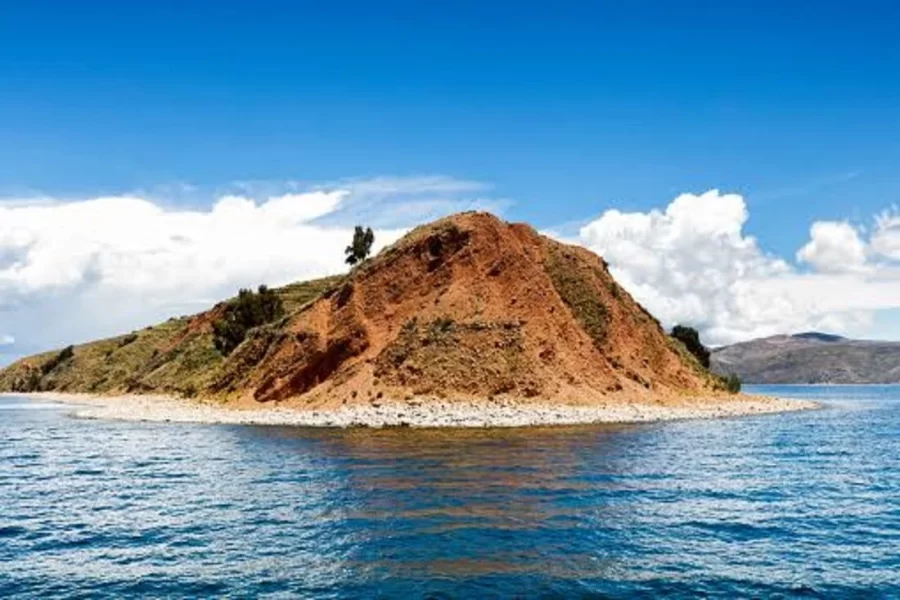
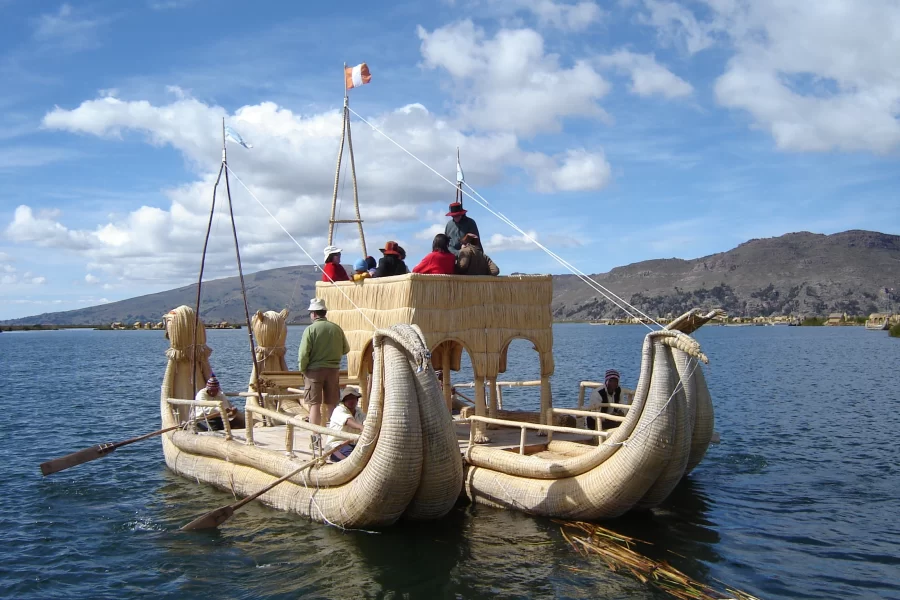
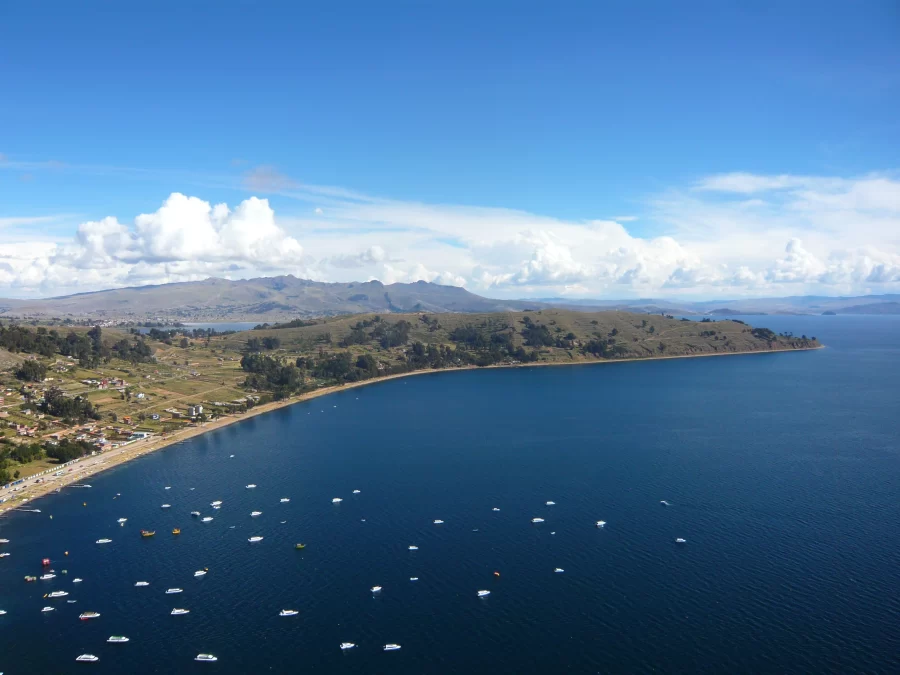
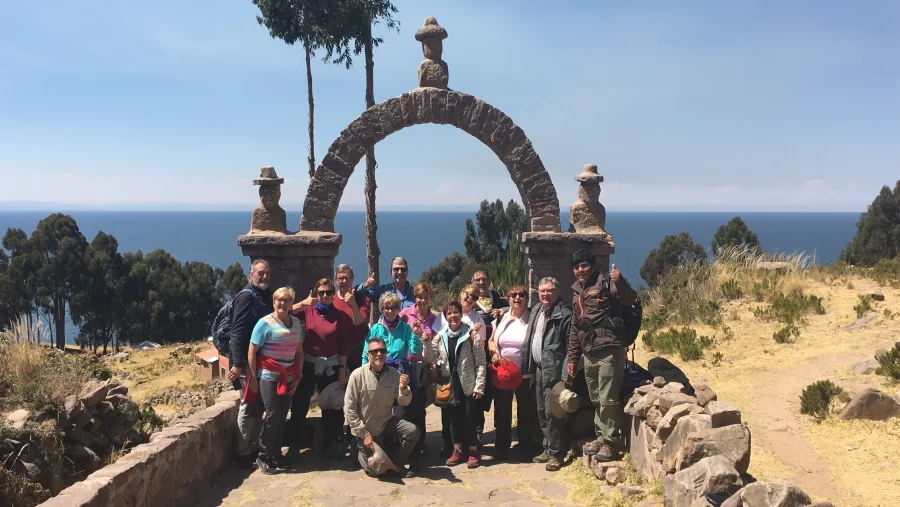
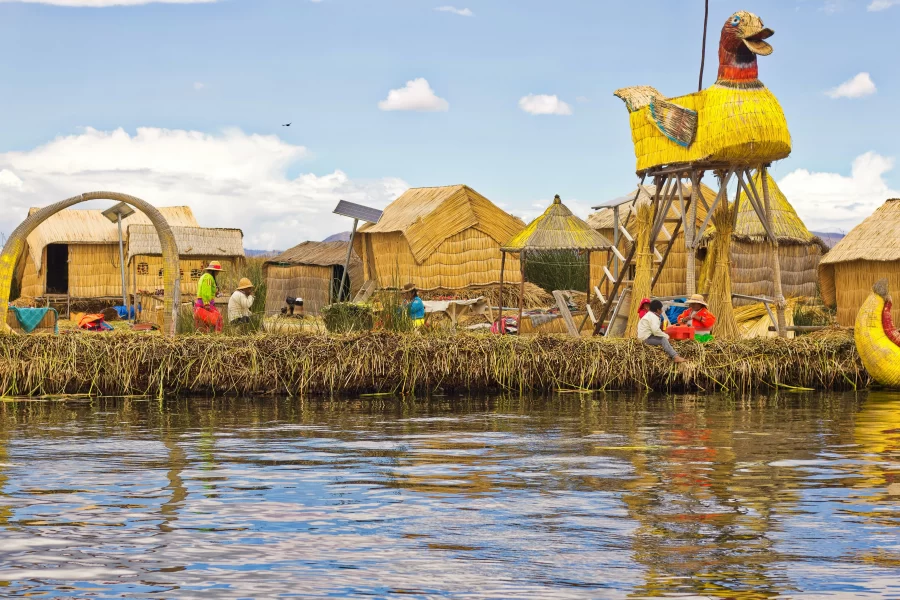
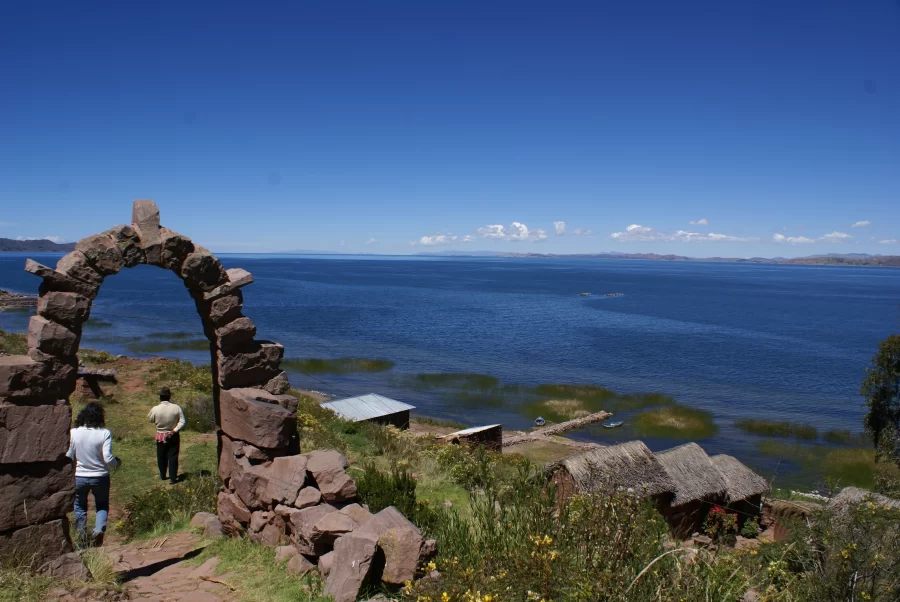
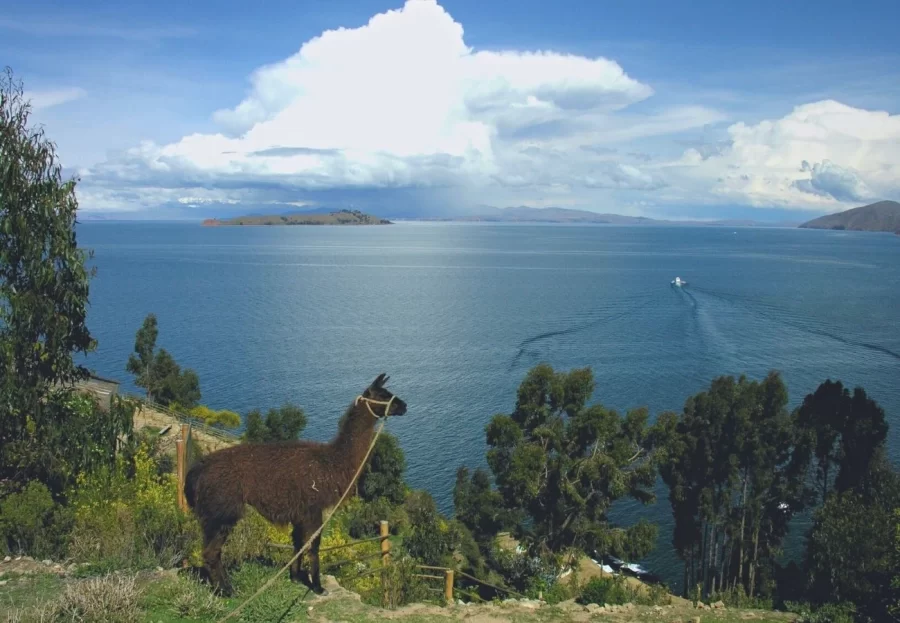
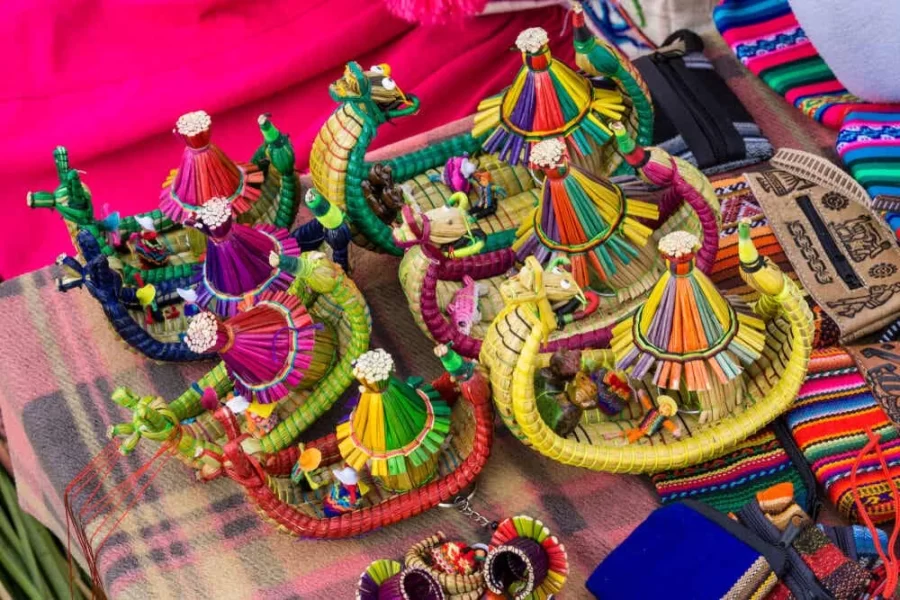
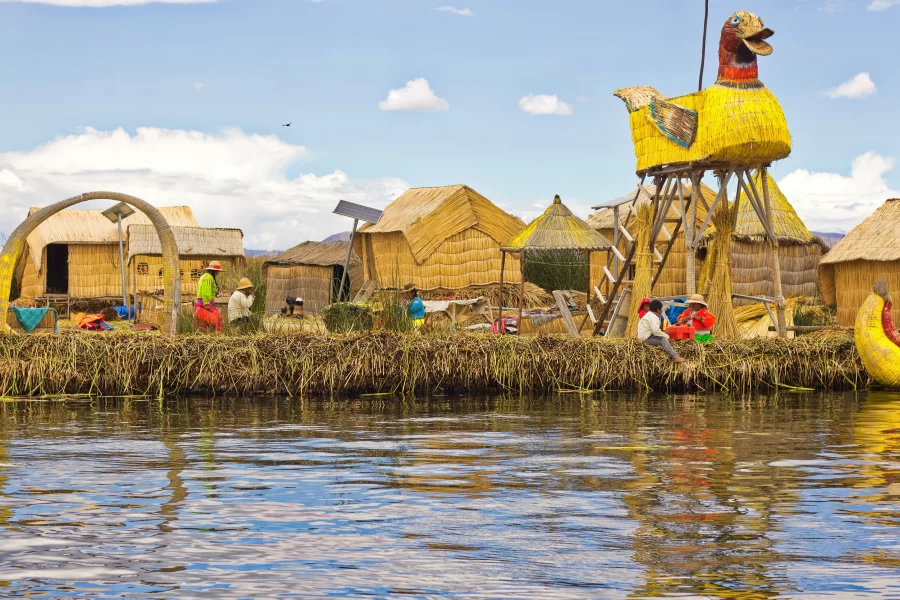
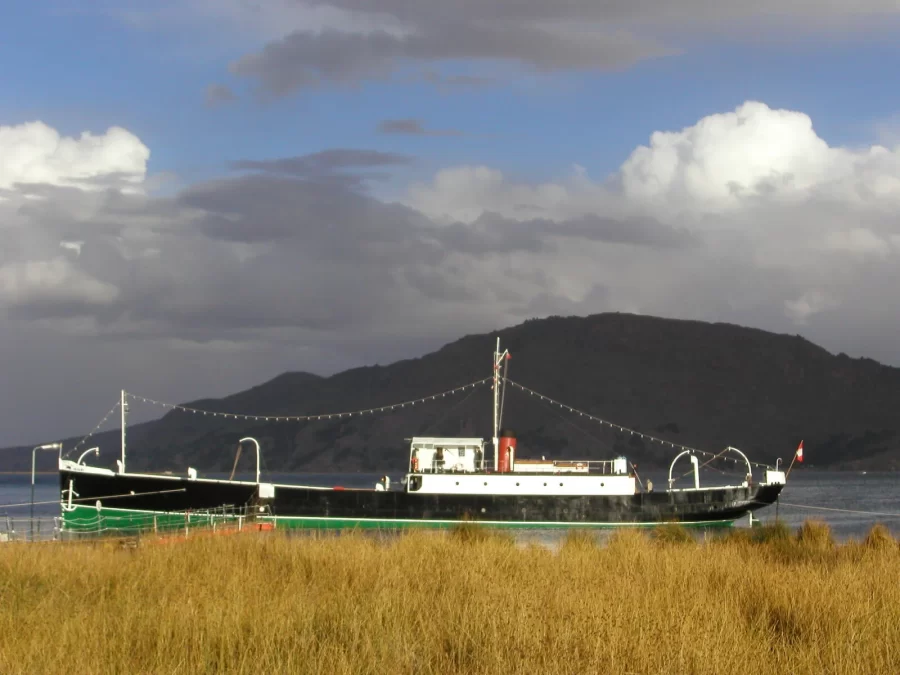
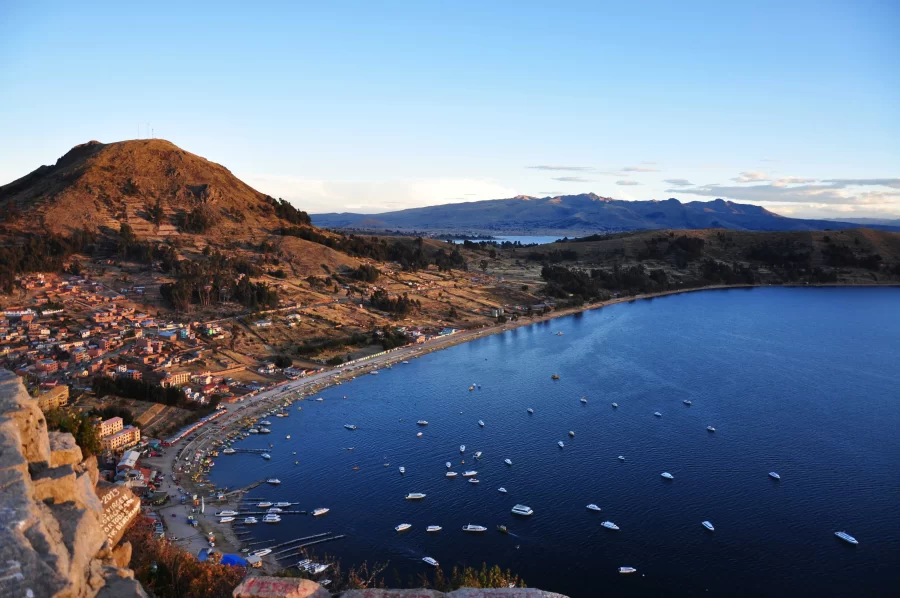
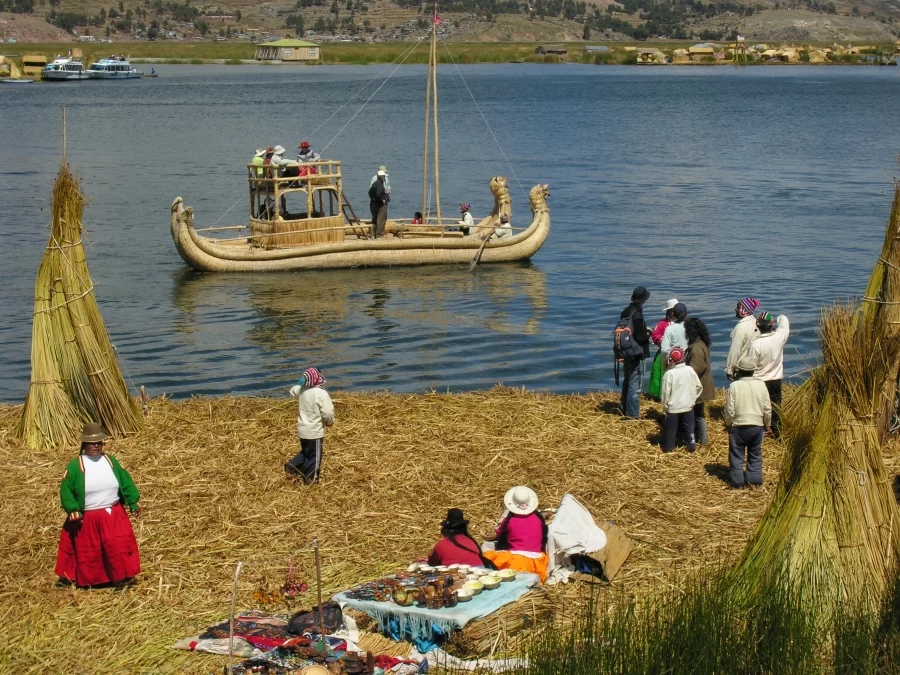
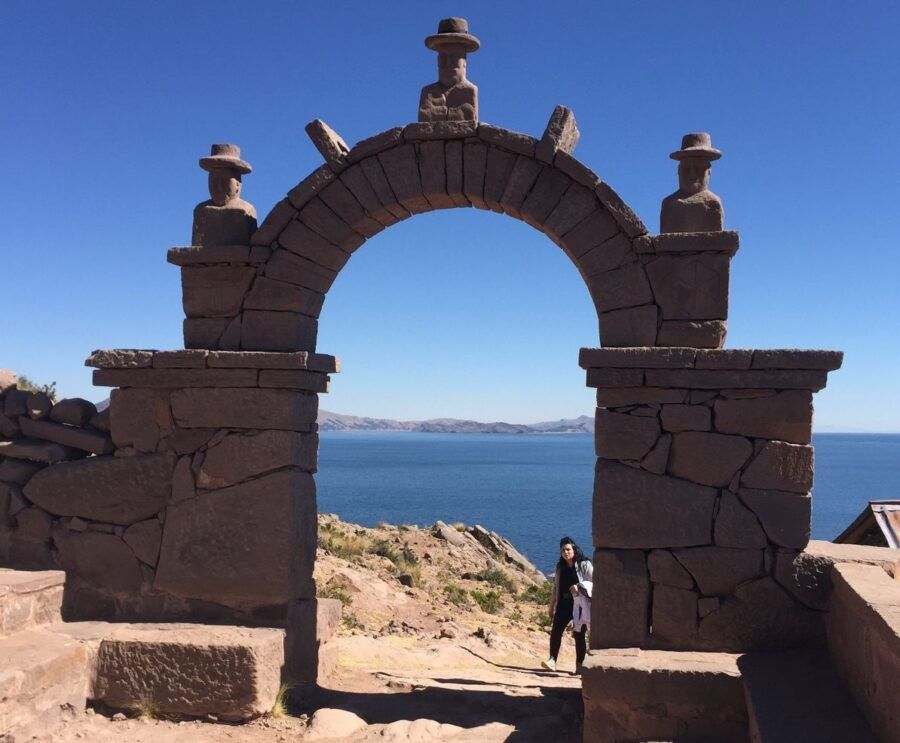
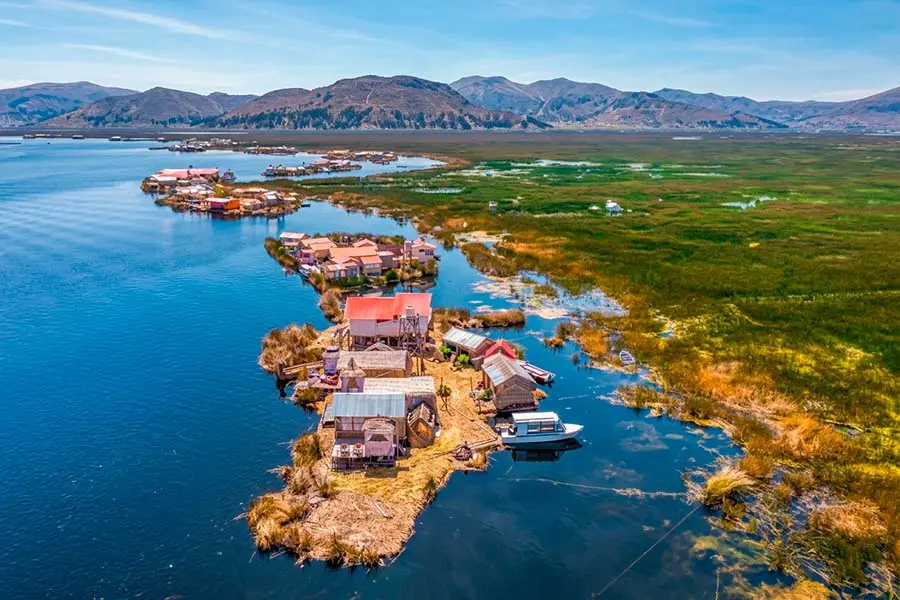
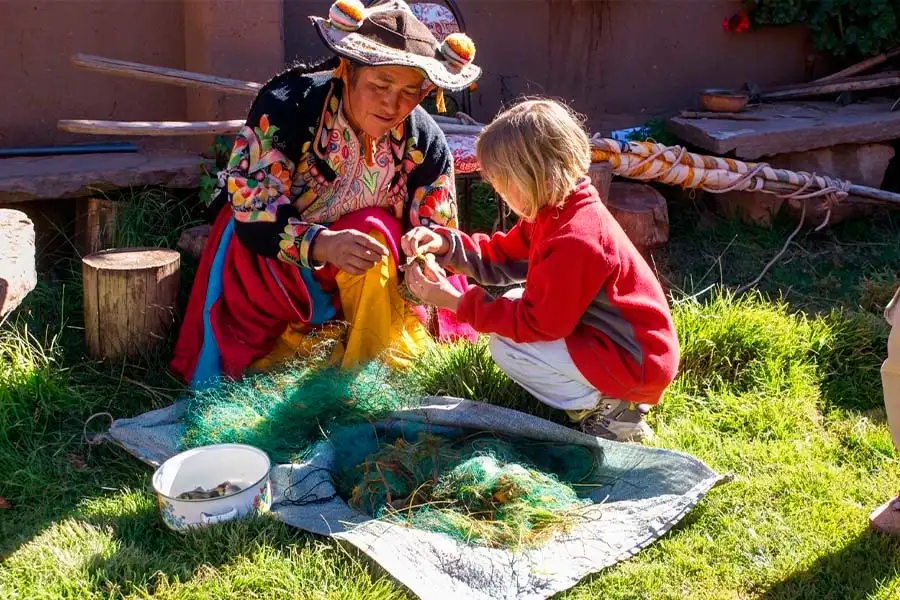
Considered the highest navigable lake in the world, Lake Titicaca is Puno’s main tourist attraction and one of Peru’s most iconic landscapes. Its waters are home to traditional communities such as the floating islands of the Uros, as well as the islands of Taquile and Amantaní, where visitors can learn about ancestral customs, textile techniques, and ways of life that remain alive to this day.
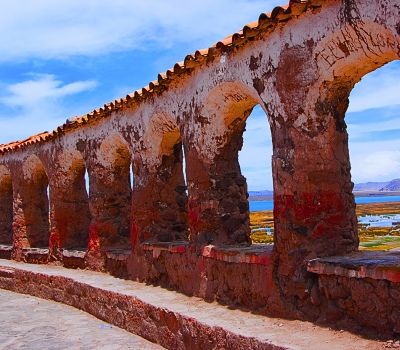
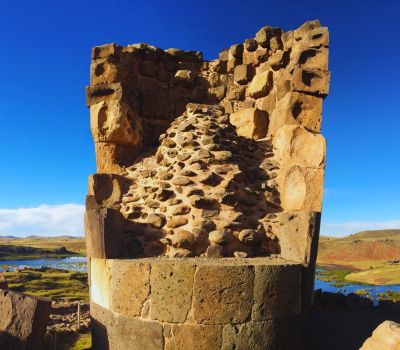
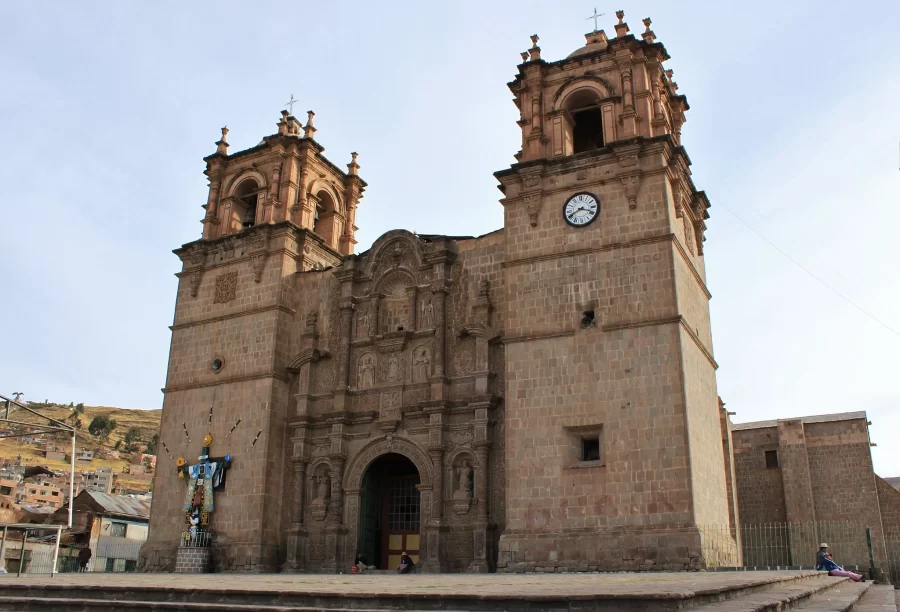
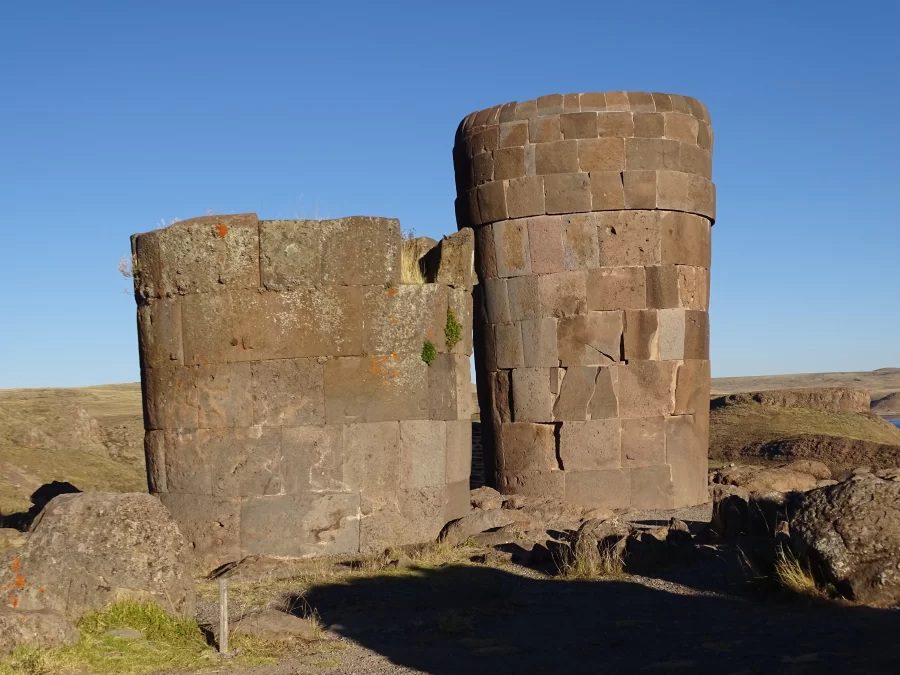
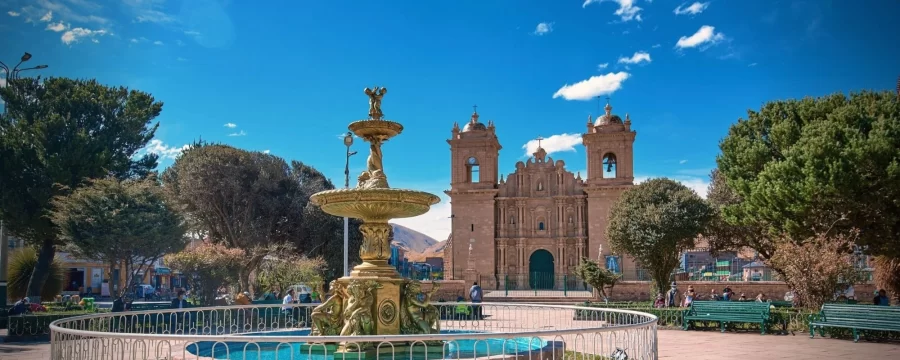
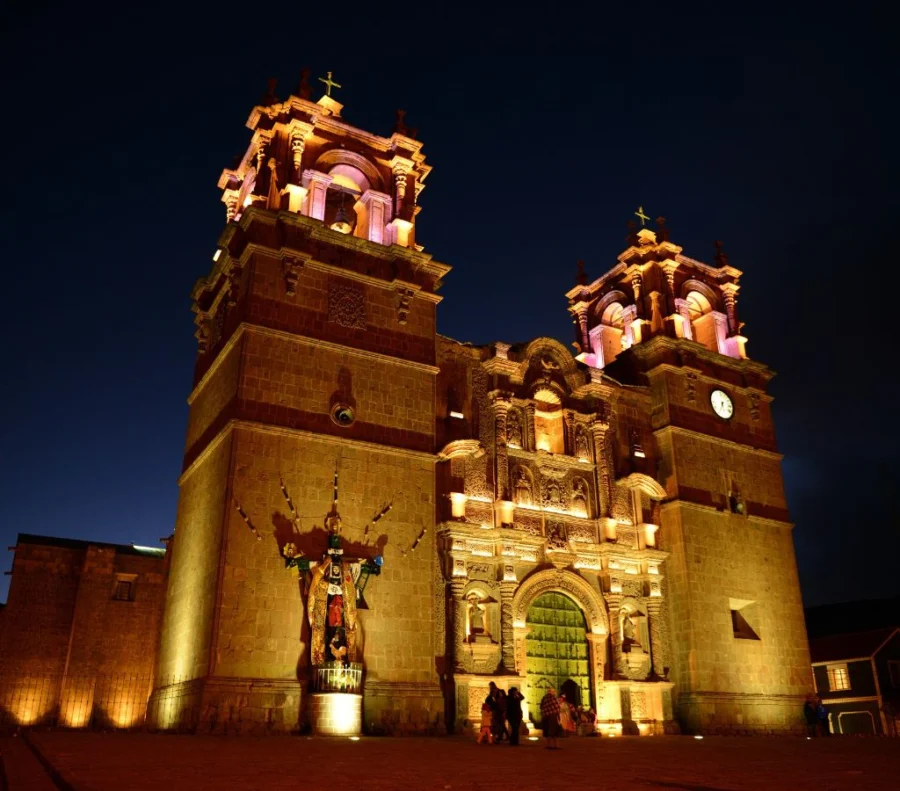
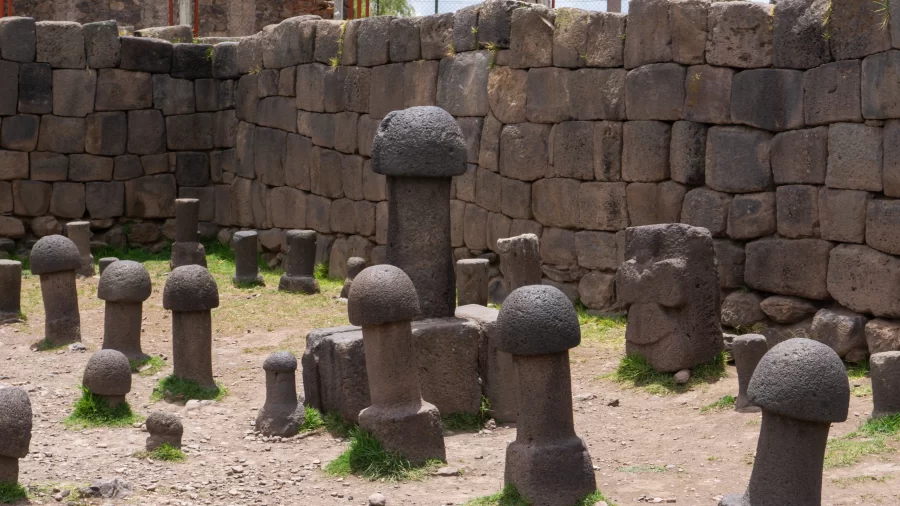
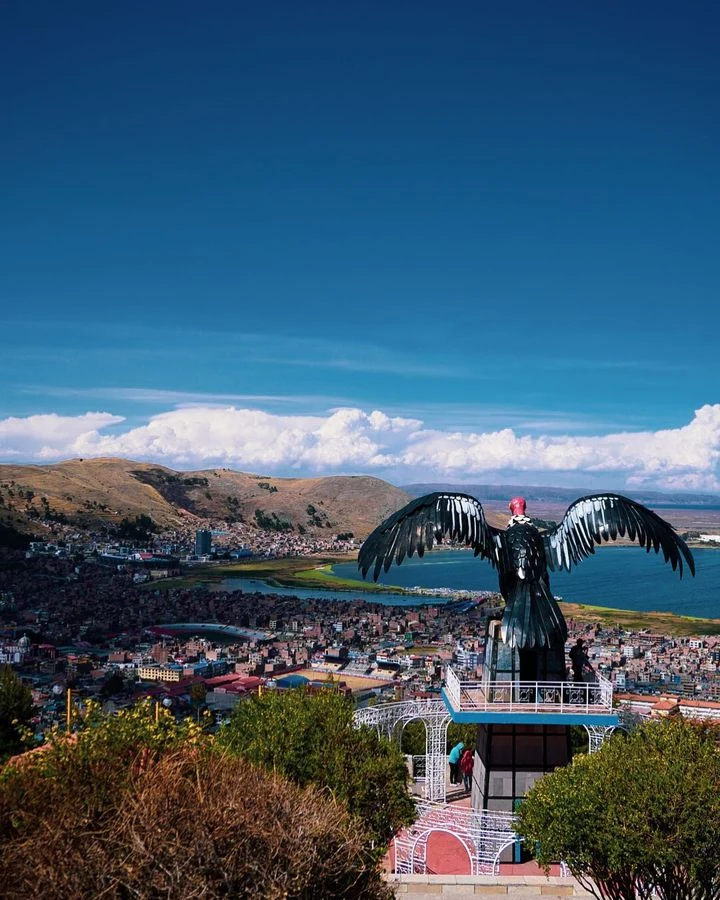
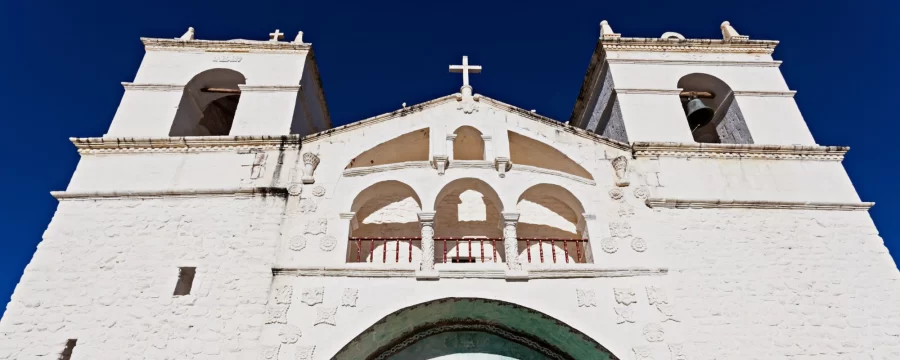
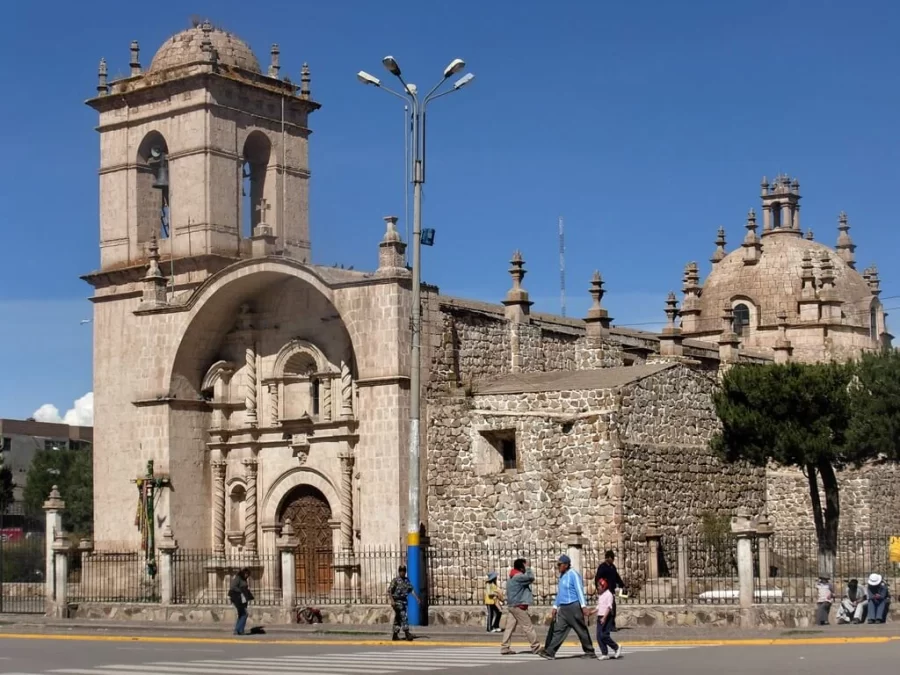
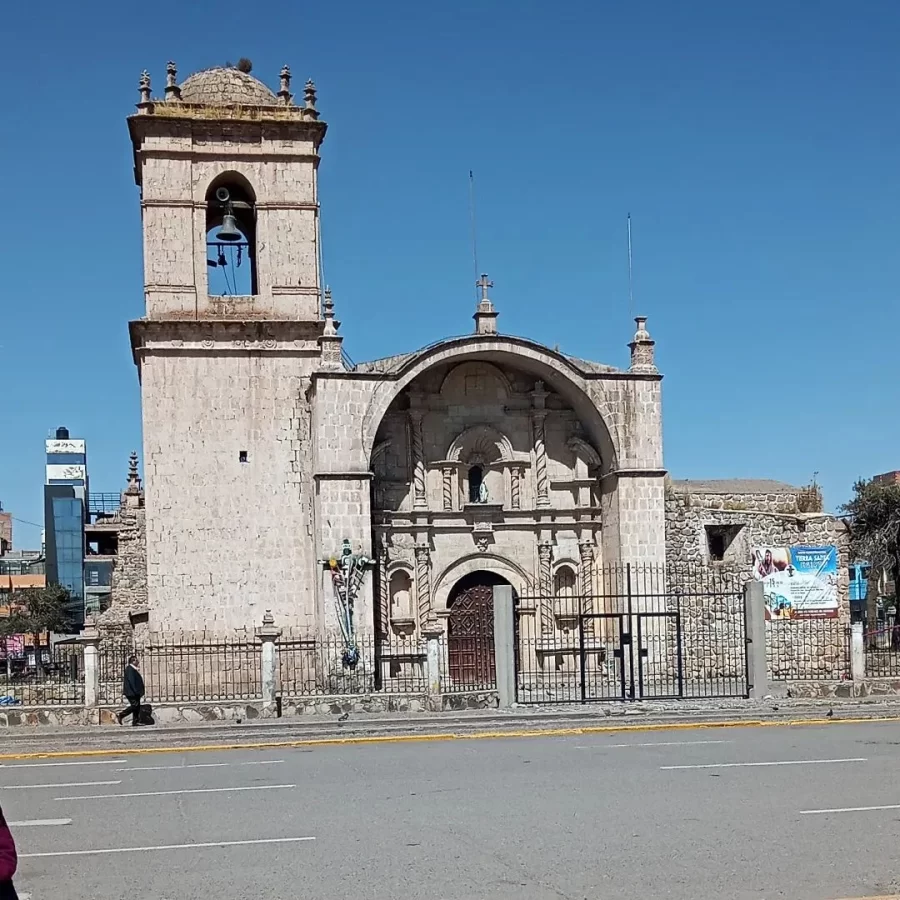
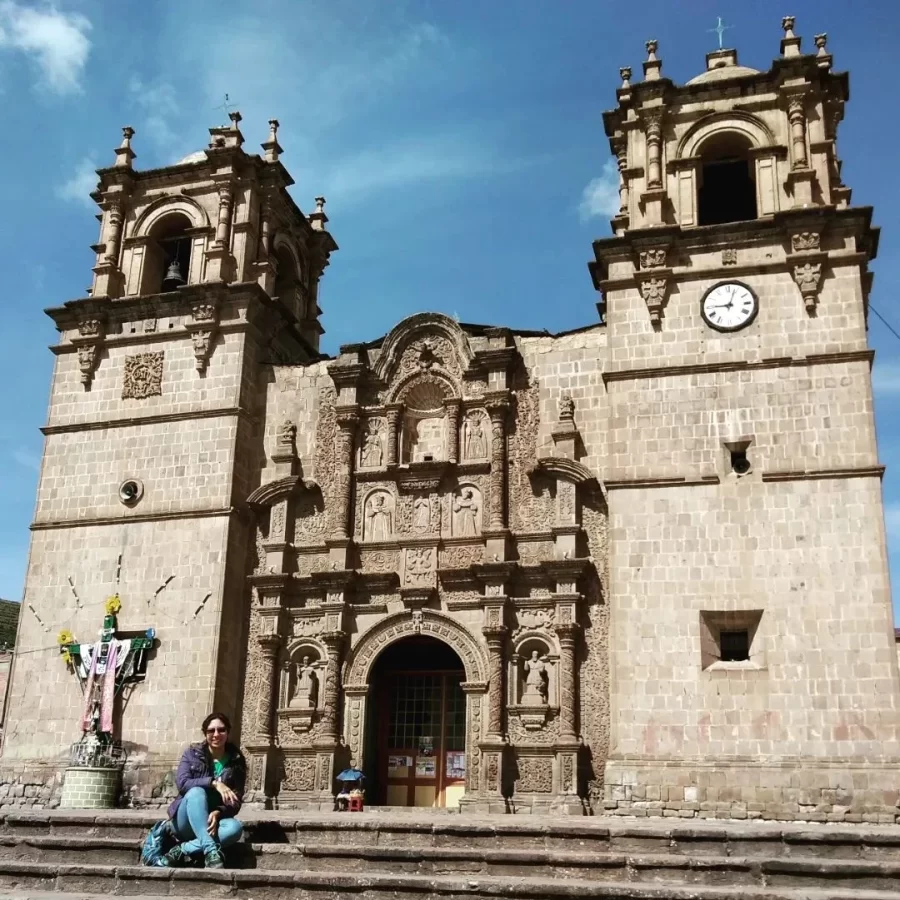
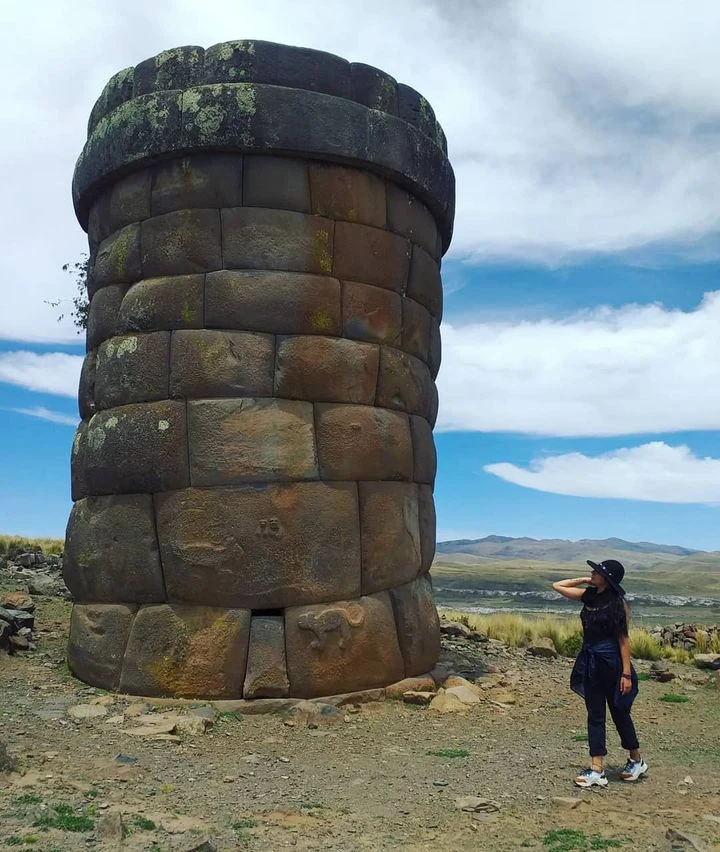
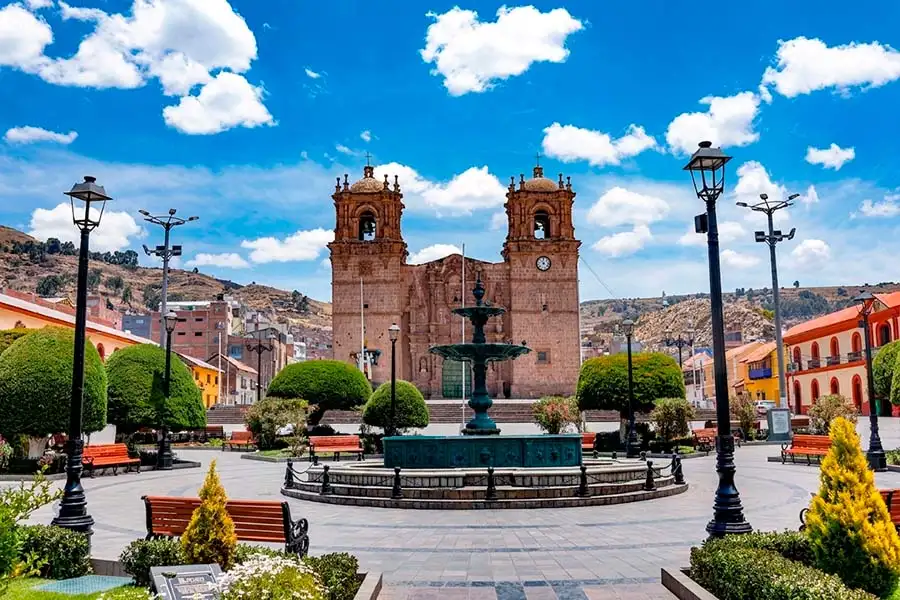
The city is also known for its celebrations, dances, and musical performances. The Festival of the Virgin of Candelaria brings together thousands of participants and visitors each year in a spectacular display of faith, music, and color. Added to this are attractions such as the Puno Cathedral, the Kuntur Wasi viewpoint, and the Sillustani archaeological complex, known for its ancient burial towers called chullpas.
Visiting Puno means discovering a destination where nature, culture, and Andean traditions come together, making it an essential stop for understanding the historical and cultural diversity of Peru.









| Estación | Clima | T min. (°C) | T max. (°C) |
|---|---|---|---|
| Verano (Enero - Marzo) | Cálido | 21 | 30 |
| Otoño (Abril - Junio) | Frío | 17 | 22 |
| Invierno (Julio - Septiembre) | Frío | 14 | 18 |
| Primavera (Octubre - Diciembre) | Cálido | 17 | 24 |
| Estación | Altitud |
|---|---|
| Plaza de armas de Lima | 154 msnm |
| Destino | Poblacion |
|---|---|
| Lima | 8 574 974 habitantes |
| Lima (Provincia) | 9 485 405 habitantes |