
Choosing the best time to visit Machu Picchu is one of the most important decisions when planning a trip to Peru. Unlike many other destinations, the experience here is strongly influenced by two key factors: the Andean climate cycle and the new Machu Picchu ticket regulations implemented in 2024 and 2025.
If you’re looking for a quick answer, May and September usually offer the ideal balance: drier days, fewer crowds, and lush, green landscapes. However, the “best” time to visit ultimately depends on your priorities whether that’s photography, hiking, or finding the most budget-friendly option.
Table of Contents
When planning a trip to Machu Picchu, it’s important to know that places like Cusco do not follow the typical four-season pattern. Instead, the region is defined by just two distinct periods: the dry season and the rainy season, each offering a very different travel experience.
The dry season (from April to October) is considered the best time to visit for international travelers. During these months, you can expect clear blue skies and pleasant daytime temperatures ranging from 18°C to 21°C (65°F to 70°F). However, nights can be surprisingly cold. One of the biggest advantages of this season is visibility there’s a high chance of seeing Machu Picchu without clouds, making it ideal for photography and panoramic views. The downside is that it’s also peak season, meaning demand is at its highest. To secure tickets or permits, especially for routes like the Inca Trail, it’s essential to book at least 4 to 5 months in advance.
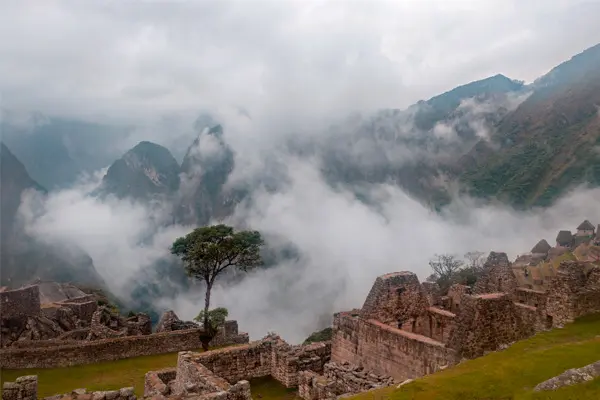
On the other hand, the rainy season (from November to March) offers a completely different atmosphere. While the name might suggest constant downpours, rain usually comes in the form of afternoon showers rather than lasting all day. Mornings can be quite pleasant, although skies tend to be more overcast. What truly stands out during this time is the landscape lush, vibrant green and often surrounded by low-lying clouds, giving the region a more mystical and dramatic feel. It’s also worth noting that the Inca Trail is closed every February for maintenance, although access to Machu Picchu by train remains available throughout the entire month.
| Month | Verdict | Why? |
| January - March | Low Season | High rain risk. Best for budget travelers and last-minute planners. |
| April - May | Highly Recommended | The "Shoulder Season." Everything is green, but the rain has stopped. |
| June - August | Peak Season | Perfect weather, but the most crowded. Inti Raymi (June 24) makes Cusco extremely busy. |
| September - October | Highly Recommended | Spring in the Andes. Warmer nights and fewer tourists than June. |
| November - December | Transition | Rain starts returning. Expect 50/50 weather conditions. |
In mid-2024, the Peruvian Ministry of Culture introduced a new Machu Picchu circuit system that transformed the visitor experience. Unlike before, it is no longer possible to explore the entire citadel with a single ticket. Each circuit now follows a designated route, meaning your experience will largely depend on the option you choose when booking.
Among them, Circuit 2 (Classic Route) is the most in demand, as it includes access to the iconic upper terrace, where visitors can take the famous Machu Picchu photo. This is the view most travelers have in mind and, as a result, it sells out much faster than other options. Circuit 1 (Panoramic Route) is ideal if your main goal is to enjoy stunning views of the citadel and surrounding mountains, although it does not include entry to the main stone structures. Meanwhile, Circuit 3 (Royal/Lower Route) offers a more accessible path with fewer stairs, making it a better option for older visitors or those who prefer to avoid steep climbs.A key detail that many travelers overlook is that choosing the right time is not enough. Even if you pick what seems to be the best season, availability can still be an issue. If enjoying the classic panoramic view is important to you, booking Circuit 2 at least three months in advance is essential; otherwise, you might miss the opportunity to capture that iconic photo.
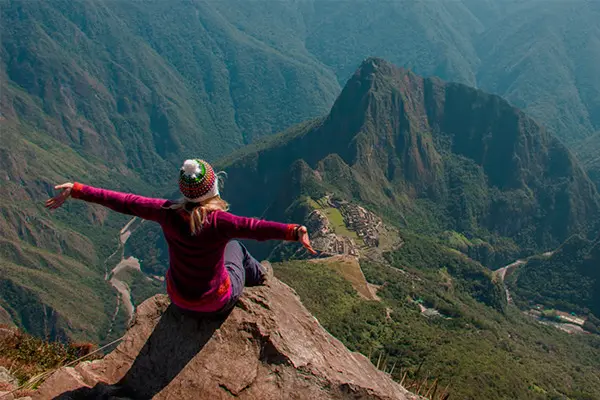
Even if you plan your trip during the busiest months, such as June and July, it is still possible to avoid crowds at Machu Picchu by choosing the right entry time. The experience can vary dramatically depending on the time slot, sometimes even more than the season itself.
The 6:00 a.m. entry time is popular among those who want to see the sunrise at Machu Picchu. While arriving early has its charm, it’s important to know that mornings are often covered in mist, which can limit visibility at first. However, the atmosphere can feel peaceful and almost mystical as the clouds slowly clear.
In contrast, the 2:00 p.m. entry time usually offers a more relaxed and visually rewarding experience. By then, most visitors have already started heading back to the train station, leaving the site significantly less crowded. The afternoon light is also ideal for photography, providing clearer views and warmer tones that enhance the landscape.
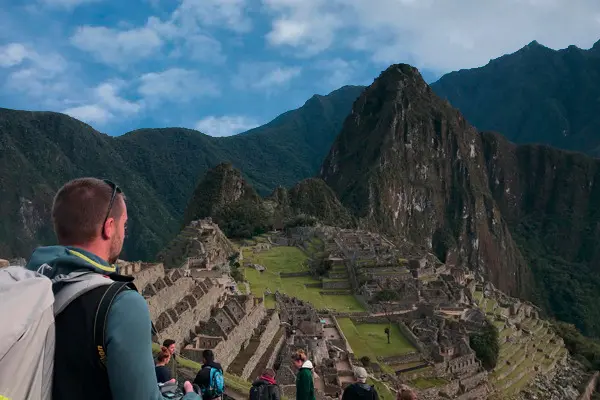
The weather in Machu Picchu is famous for its unpredictability. Even during the dry season, you are in a high altitude cloud forest, which means conditions can change quickly bright sunshine one moment, mist or light rain the next. Being well prepared can greatly influence how much you enjoy your visit.
Dressing in layers is essential. A good combination includes a breathable base layer, a warm fleece, and a reliable waterproof jacket. Footwear is equally important: choose well broken in hiking boots or trekking shoes with good grip.
Sun protection is crucial. At this altitude, exposure to UV rays is much higher than most travelers expect, so wearing sunscreen and a wide brim hat is strongly recommended.Finally, don’t underestimate insects. Bringing a strong insect repellent will help you avoid unnecessary discomfort.
As local experts in Cusco, we recommend planning your visit to Machu Picchu based on your personal travel style, rather than following general advice. The best time of year can vary significantly depending on what you are looking for in the experience.
If your priority is photography, late May and June are excellent options. During this period, the air is usually crisp and clear, offering exceptional visibility and ideal lighting conditions to capture the citadel at its best. For those interested in hiking routes such as the Inca Trail or the Salkantay Trek, September offers a perfect balance. Trails are typically drier after the rainy season, and nighttime temperatures are more comfortable compared to colder months like July.
On the other hand, solo travelers or those seeking a more budget-friendly experience may find November particularly attractive. During this time, you can often find better deals on hotels in Aguas Calientes and Cusco, while still enjoying a rewarding visit with fewer crowds than peak season.
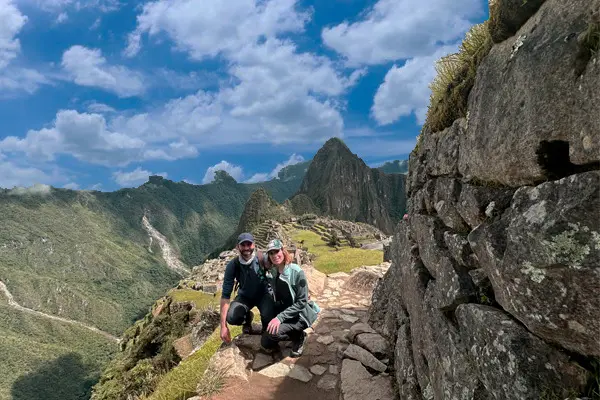
There is no bad time to visit Machu Picchu only unprepared travelers. Each season has its own conditions, and knowing what to expect can make all the difference in your experience. If you visit in February, you should be prepared for frequent rain and unpredictable weather. On the other hand, if you come in July, you’ll enjoy clearer skies, but you’ll also have to deal with larger crowds and higher demand.
The key is to adjust your expectations to reality and plan accordingly. No matter when you decide to go, preparation will always be the difference between a stressful trip and an unforgettable one.
If you’re ready to book your trip, don’t wait too long. The availability of permits, especially during the best time to visit Machu Picchu, is already selling out for the upcoming season, so securing your spot in advance is essential.