Peru has been recognized multiple times as the world’s leading culinary destination, and it’s easy to see why. With thousands of traditional recipes influenced by the country’s diverse regions the coast, the Andes, and the Amazon its gastronomy is as rich as its landscapes. Naturally, many travelers ask: What is the national dish of Peru?
While several dishes contribute to the country’s culinary identity, one stands above the rest as the true symbol of Peruvian cuisine: ceviche. Fresh, vibrant, and deeply rooted in tradition, it represents the essence of the coast and the cultural fusion that defines Peruvian food.
In this guide, we will explore the origins of Peruvian ceviche, how to enjoy it like a local, and introduce you to other must-try Peruvian dishes for your next trip.
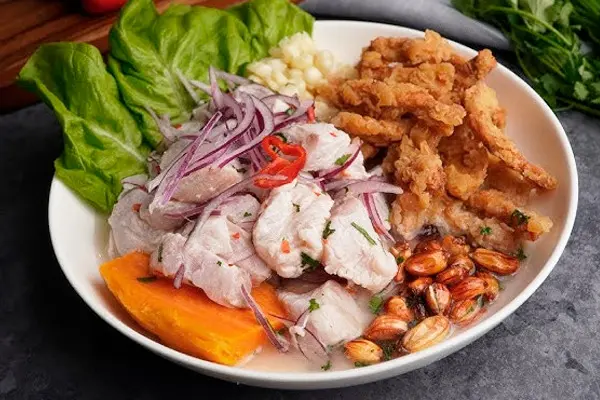
Table of Contents
Recognized as part of Peru’s National Heritage and even celebrated with its own holiday on June 28, Peruvian ceviche is more than just a dish it is a true symbol of national pride. Its importance goes beyond flavor, reflecting the country’s coastal identity and its deep connection to fresh, local ingredients.
What makes ceviche unique is its simplicity. Unlike other versions found across Latin America, Peruvian ceviche relies on a small number of ingredients, each playing a precise role in creating its signature flavor. Its base is fresh fish, commonly corvina, sole, or tilapia, combined with highly acidic Peruvian limes, which “cook” the fish in just minutes. Thinly sliced red onion adds crunch, while ají limo, a native chili, provides a subtle heat and citrus aroma. A pinch of salt brings everything together, balancing the acidity and enhancing the natural flavors.The experience is completed with traditional side dishes that add texture and contrast. Ceviche is typically served with sweet potato, large kernel Andean corn, and crispy toasted corn, creating a perfect balance of freshness, sweetness, and crunch in every bite.
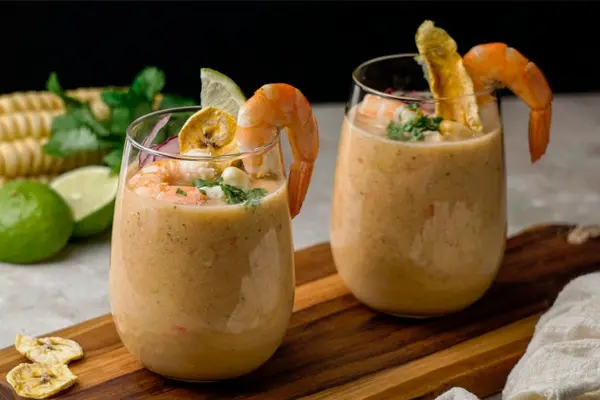
The citrus marinade left at the bottom of a Peruvian ceviche dish is known as leche de tigre. Far from being just a byproduct, it is considered one of the most flavorful and prized elements of the dish.Among Peruvians, leche de tigre is known as a traditional drink. It is often considered a powerful restorative, and some even believe it has energizing properties. For this reason, it’s not uncommon to see it served on its own in a small glass, or enjoyed right after finishing the ceviche as a bold and refreshing final touch.
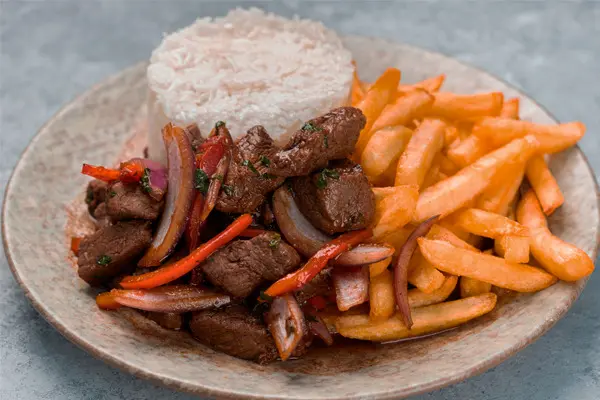
If raw fish isn’t your thing, Peru offers another iconic dish that delivers bold flavor in a different way: lomo saltado. This dish is one of the best examples of chifa cuisine, a unique fusion of Chinese cooking techniques and traditional Peruvian ingredients.
At its core, lomo saltado consists of tender strips of beef quickly stir-fried with onion, tomato, soy sauce, and a touch of vinegar. The result is a rich, savory dish with smoky notes, created by high-heat cooking.What truly sets it apart is how it’s served. As a perfect reflection of Peruvian culinary identity, lomo saltado comes with rice and French fries on the same plate a combination that may seem unusual at first, but quickly becomes the definition of Peruvian comfort food.
Peru’s geography is diverse, and so is its "national" representation in different regions:
| Región | Iconic Dish | Description |
| The Highlands (Cusco) | Cuy Chactado | Fried Guinea Pig. A traditional delicacy dating back to the Incas. |
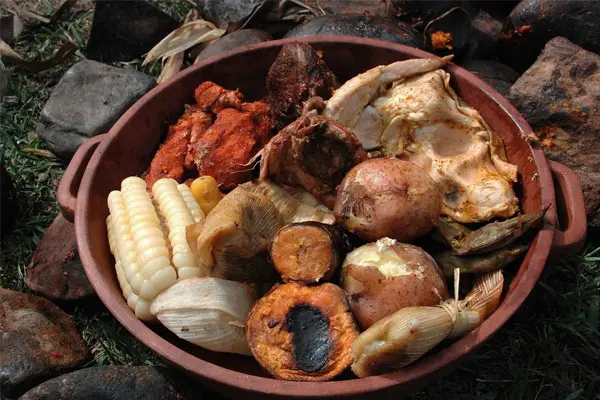
| The Andes | Pachamanca | An ancient "earth oven" meal cooked with hot stones, meats, and tubers. |
| The Amazon | Juane | Seasoned rice with chicken wrapped in Bijao leaves, shaped like a bundle. |
| Arequipa | Rocoto Relleno | A spicy stuffed pepper that tests the limits of your palate. |
There are a few unwritten rules that can completely transform your experience with Peruvian food, especially when it comes to ceviche. One of the most important is when to eat it. In Peru, ceviche is typically enjoyed at lunchtime, not at night. Locals strongly believe the dish should be prepared with fish caught that same morning, ensuring maximum freshness, flavor, and safety.
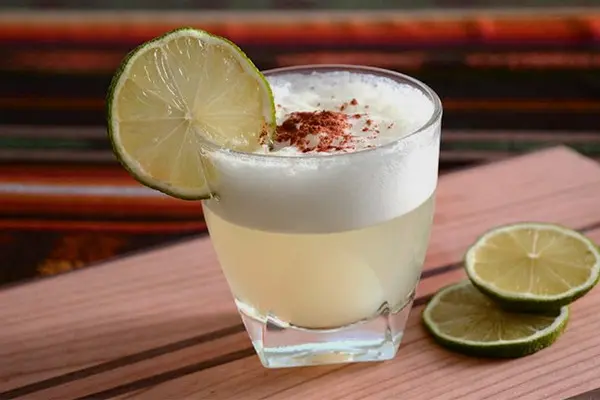
No meal feels complete without pairing it with Peru’s national drink, the iconic Pisco Sour. Made with grape brandy, fresh lime juice, and egg white, it offers the perfect balance of citrus and sweetness, complementing the vibrant flavors of ceviche.It’s also important to pay attention to spice levels. If a server asks whether you want your dish spicy, it’s best to be cautious. Traditional peppers like ají amarillo and rocoto are known for their intense flavor, but they can also have a high level of heat that might surprise you if you’re not used to it.
To truly understand a country, you must taste its essence. That’s why our journeys go beyond traditional tourism, incorporating carefully curated culinary experiences in Peru that reflect the diversity and richness of its gastronomy. From world class restaurants in Lima to traditional picanterías in Cusco and Arequipa, each stop is designed to connect you with authentic flavors and local traditions.
If you’re ready to experience Peru through its cuisine, now is the perfect time to start planning. Explore our Gastronomy and Culture Tours for 2026 and let us take care of every detail from reservations to unforgettable dining experiences.