
If you’re planning a trip to the Peruvian Amazon, understanding the climate is key to enjoying the experience. In this region, temperatures remain fairly stable throughout the year, usually between 24°C and 31°C (75°F–88°F). Unlike places with distinct seasons, there aren’t major temperature changes here.
Instead, the climate is defined more by rainfall: there are wetter periods and slightly drier ones, but the heat is always present.
Also, even if the thermometer doesn’t rise too high, the combination of strong sun and high humidity makes the environment feel more intense. It’s the kind of heat you feel throughout your whole body typical of the jungle and it’s part of what makes this ecosystem so unique.
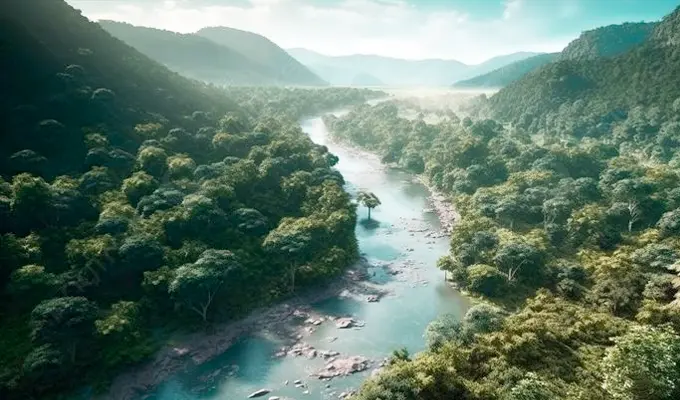
In the tropical rainforest, the most noticeable temperature change happens not between months, but between day and night. During the day, the heat can feel quite intense, as the vegetation and soil absorb the sun’s energy. In open areas or near the rivers of the Peruvian Amazon, temperatures can easily reach 35°C (95°F).
But as evening falls, everything changes. The jungle becomes cooler and more pleasant, with temperatures dropping to around 20°C to 22°C (68°F–72°F). This drop is not only a relief for travelers, but also marks the beginning of activity for many animals that come out at dusk.
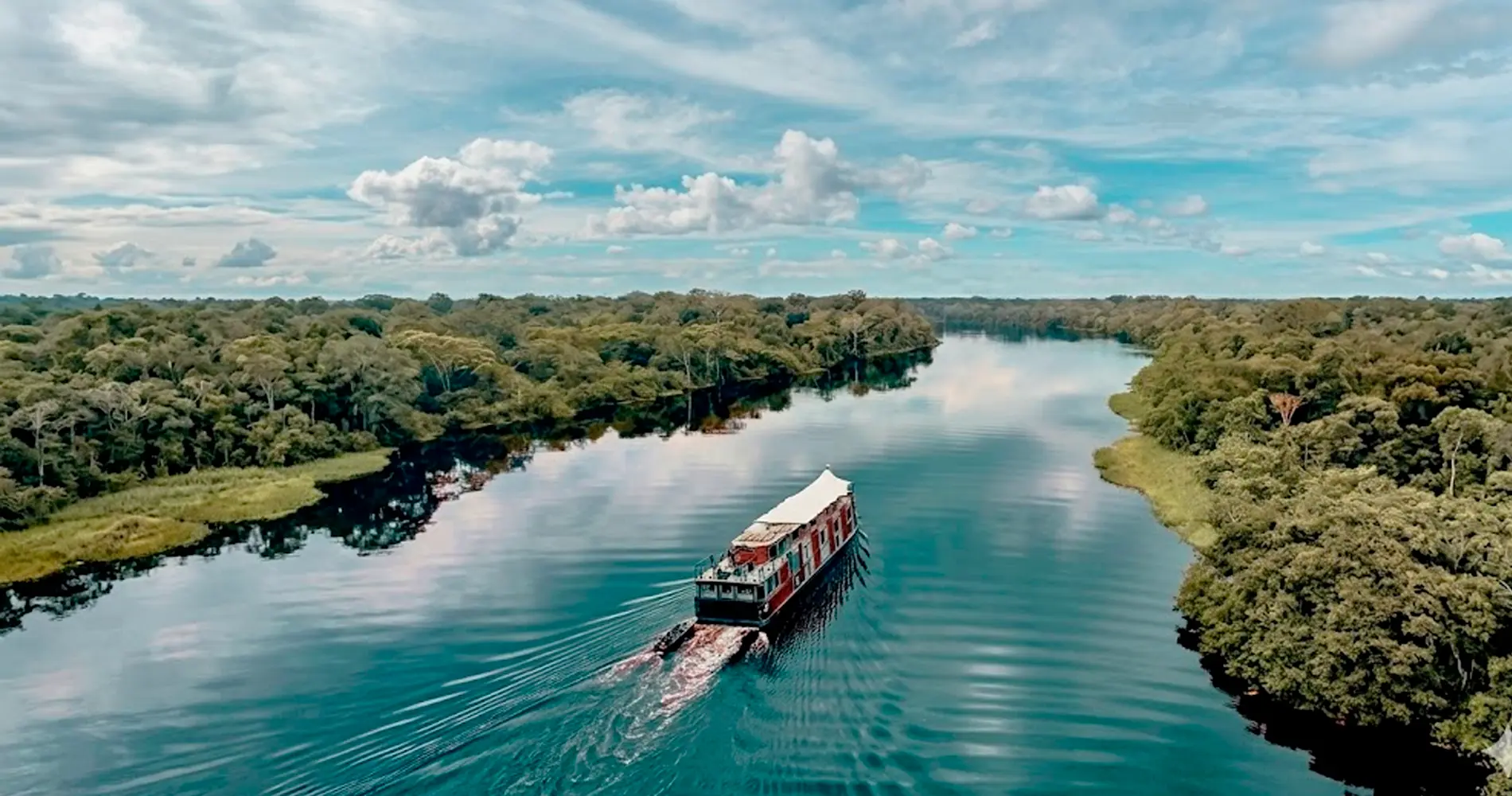
For those staying in eco-lodges or exploring the area on river cruises, these cooler nights are the perfect time to rest and enjoy the tranquility of the jungle.
When talking about the climate in the Peruvian Amazon, humidity is something you can’t ignore. It usually stays above 80% almost all year. This makes the heat feel much more intense, since sweat doesn’t evaporate easily and the body doesn’t cool down as it normally would.
That’s why, even if the thermometer reads 28°C (82°F), it can feel closer to 35°C (95°F). That “heavy heat” is part of the jungle experience.
For those visiting places like Manu National Park or Tambopata National Reserve, it’s essential to be well prepared: drinking plenty of water and wearing light, breathable clothing isn’t just a recommendation, it's necessary to stay comfortable while exploring the humid rainforest trails.
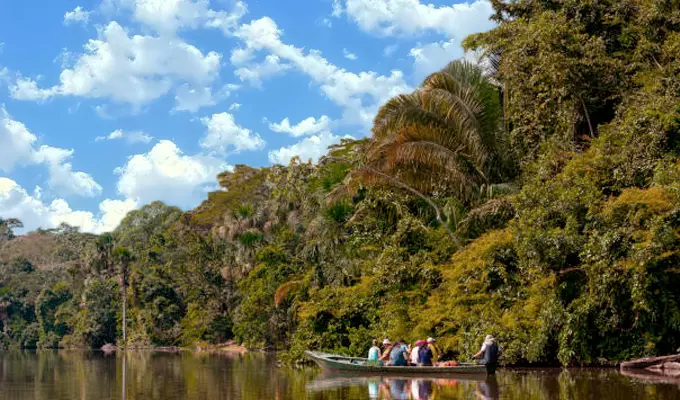
One of the most curious climate phenomena in the Peruvian Amazon is known as a “friaje.” Although the jungle is usually warm and humid, a few times a year especially between May and August cold winds arrive from the southern part of the continent and suddenly change the weather.
During a friaje, temperatures can drop quickly from around 30°C (86°F) to about 12°C (54°F) in just a few hours. This change can last between two and three days and often catches many travelers by surprise, especially in such a tropical place.
That’s why it’s a good idea to always bring a light jacket or some warm clothing, even if your destination is the jungle. Paying attention to these details can make a big difference and help you enjoy your trip more comfortably, just like an experienced agency such as Tierras de los Andes would recommend.
High- and low-water seasons: understanding the rhythm of the jungle
In the Peruvian Amazon, what really changes is not the temperature but the river levels. They can vary by up to 12 meters throughout the year. During the high-water season, many areas flood and are explored by boat; in the low-water season, trails and beaches appear. Understanding this helps you better plan activities like river navigation or wildlife observation.
What to pack: practical and climate-ready
Traveling to the jungle isn’t about fashion, it's about comfort and protection. It’s best to bring lightweight, long-sleeved, and breathable clothing, such as linen or insect-repellent garments. This will help you stay cool and protected throughout your trip.
The incredible biodiversity of Manu
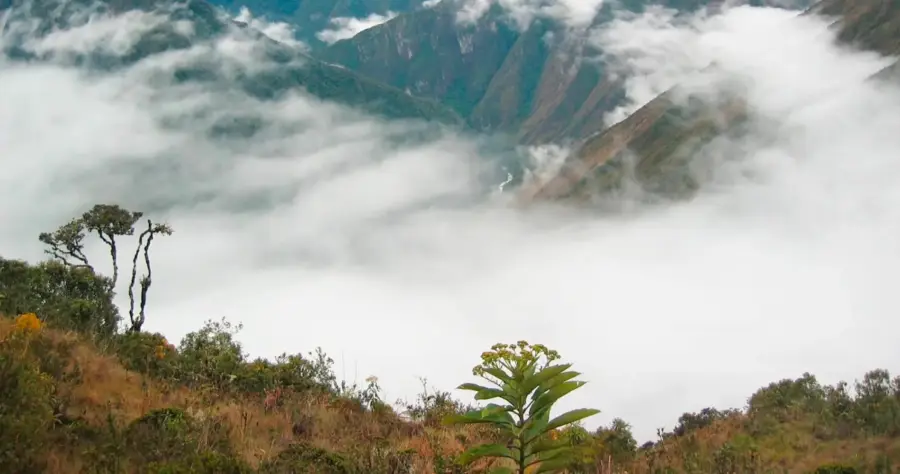
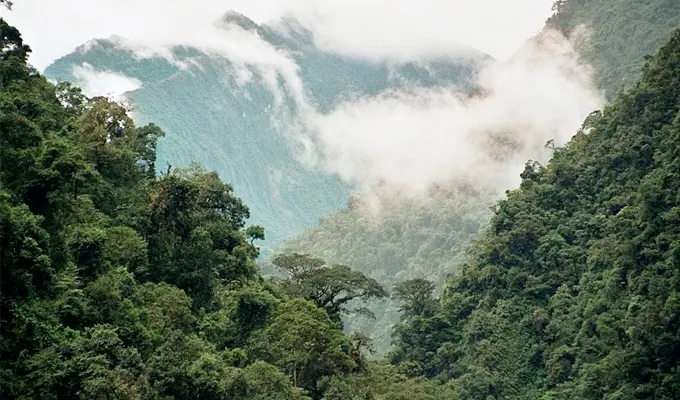
Manu Biosphere Reserve is one of the most biodiverse places on the planet. This is because it combines different altitudes, from cloud forests in higher areas to lowland rainforest. Each level has its own climate, allowing different species to thrive. Exploring this place is a way to understand how nature adapts and organizes itself uniquely in every corner.