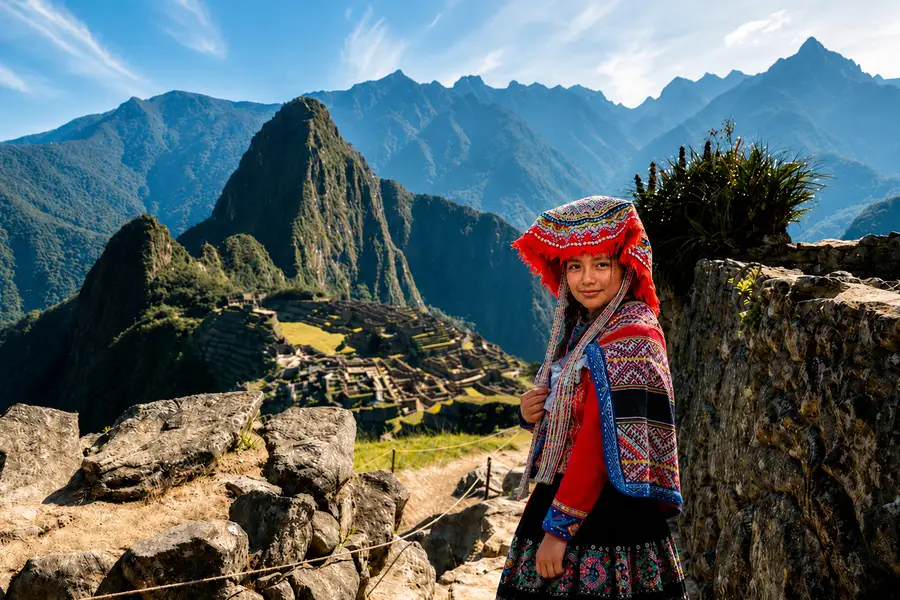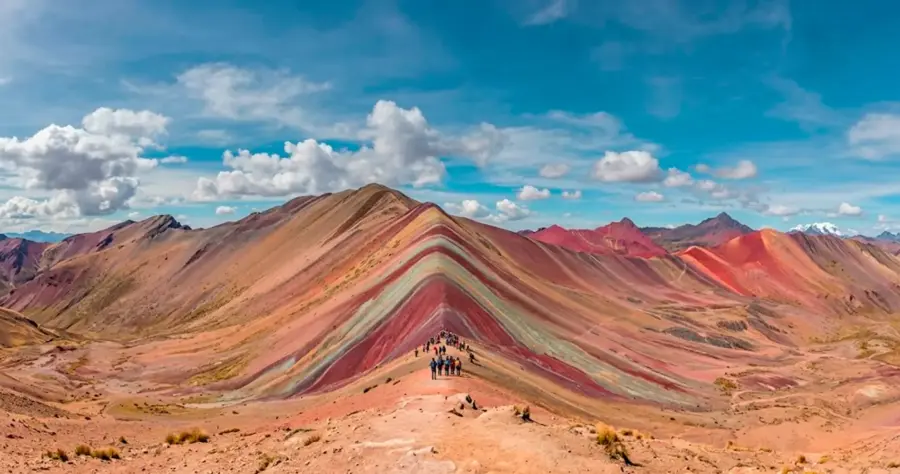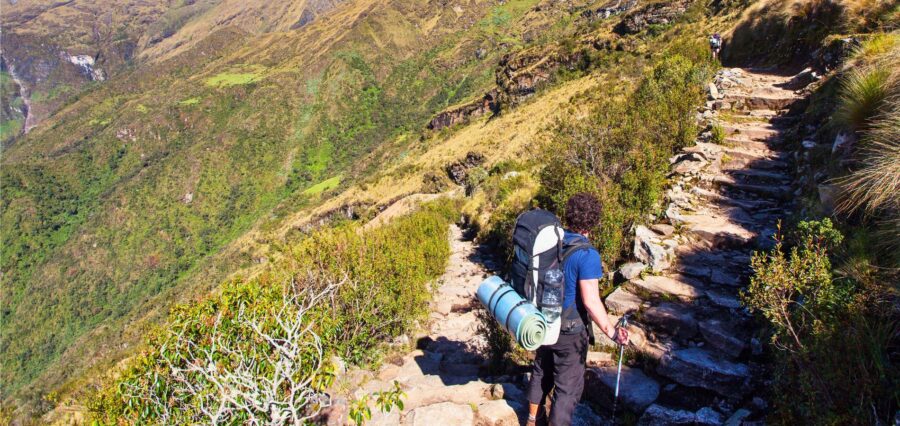

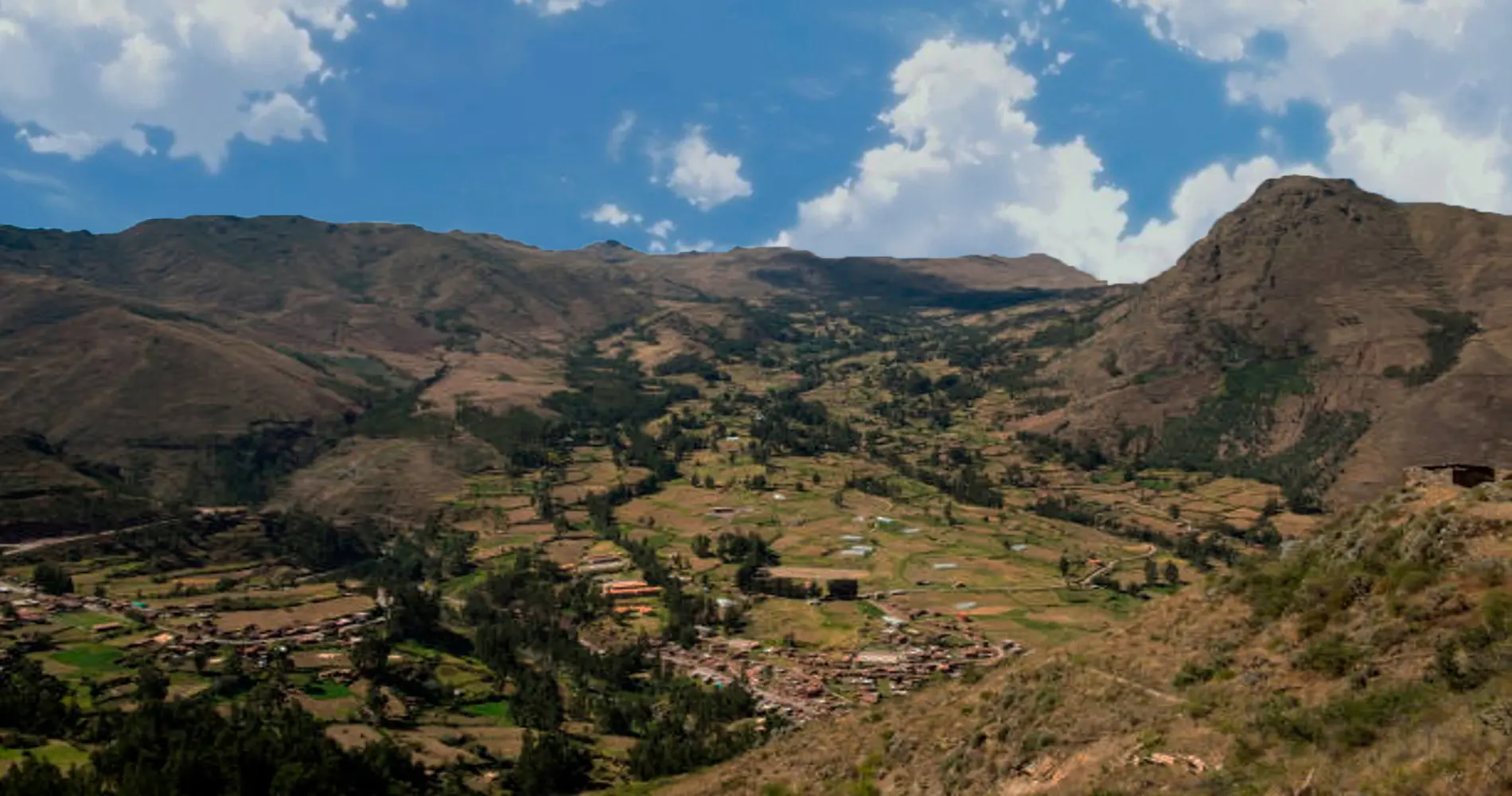
The dry season in the Sacred Valley, which runs from April to October, is often considered the best time to experience the region. During these months, days are typically bright and clear, with deep blue skies and sunlight that enhances the sharpness and beauty of the landscape. Temperatures remain pleasant throughout the day, usually ranging between 20°C and 24°C (68°F to 75°F), making it ideal for exploring ruins, hiking, and enjoying the scenery.
However, what many travelers don’t expect is how quickly the temperature drops after sunset. With almost no cloud cover to retain heat, nights can become very cold, often reaching near-freezing temperatures. This is part of the Andean rhythm: warm, inviting days followed by cool and quiet nights.For photographers and hikers, this season is hard to beat. Visibility is at its best, snow-capped peaks stand out clearly, and rain is rarely an issue, allowing you to explore places like Moray or Ollantaytambo without interruption.
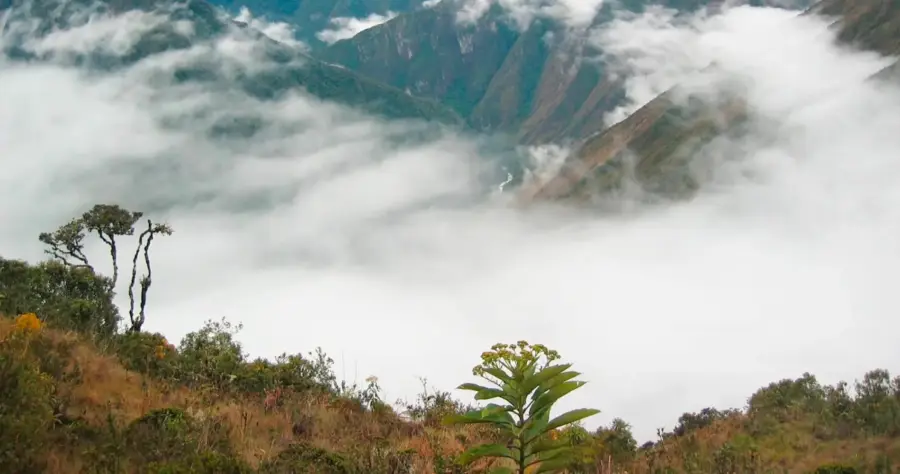
From November to March, the rainy season in the Sacred Valley brings a completely different atmosphere: one that feels more dramatic, vibrant, and alive. The dry, golden tones of the mountains transform into deep greens, turning the valley into a lush and thriving landscape.
Despite its reputation, rain rarely lasts all day. It usually arrives in the afternoon, often in short but intense showers, followed by calmer, cloudy periods. These shifting conditions create a dynamic experience, where light, clouds, and colors are constantly changing.
Interestingly, nights during this season are not as cold as in the dry months. The cloud cover acts like a natural blanket, keeping temperatures slightly warmer and more stable.
For travelers seeking a more peaceful and less crowded experience, this time of year has clear advantages: fewer tourists, better prices, and a more relaxed atmosphere. In addition, the Urubamba River shows its full power, flowing through the valley with a strong and unmistakable presence.
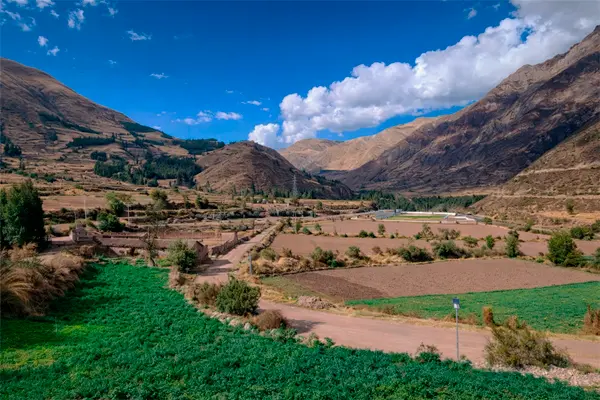
One of the defining characteristics of the Sacred Valley’s climate is how quickly it can change. A sunny morning can easily turn into a cool, windy afternoon, followed by a cold night. That’s why packing isn’t about bringing more clothes it’s about choosing the right combination of layers.
Even on cloudy days, the sun at this altitude is intense, making proper sun protection essential. A high-quality sunscreen, sunglasses, and a hat can make a big difference during long days outdoors. At the same time, bringing a light base layer, something warm for the evening, and a waterproof jacket especially during the rainy season will help you stay comfortable without overpacking.Footwear is just as important. The terrain, especially around Inca sites, can be uneven and sometimes slippery, so wearing comfortable, well-worn hiking boots with good grip will make your experience much more enjoyable.
Understanding the Sacred Valley’s climate isn’t just about comfort it also plays a key role in how your body adapts to altitude. Compared to Cusco, the valley sits at a lower elevation, with slightly warmer temperatures and a higher concentration of oxygen. This difference, although subtle, can have a significant impact on how you feel during your first days in the Andes.
Spending a couple of nights in places like Urubamba or Yanahuara allows your body to adjust gradually, reducing the risk of altitude sickness and helping you avoid common symptoms like headaches or fatigue. Instead of pushing through discomfort, you give yourself the chance to adapt naturally.
Choosing the Sacred Valley as your starting point isn’t just a logistical decision it’s a smart and strategic way to begin your journey. It allows you to enjoy each experience with more energy, whether you’re exploring local markets, visiting the salt mines, or simply taking in the landscape at your own pace.