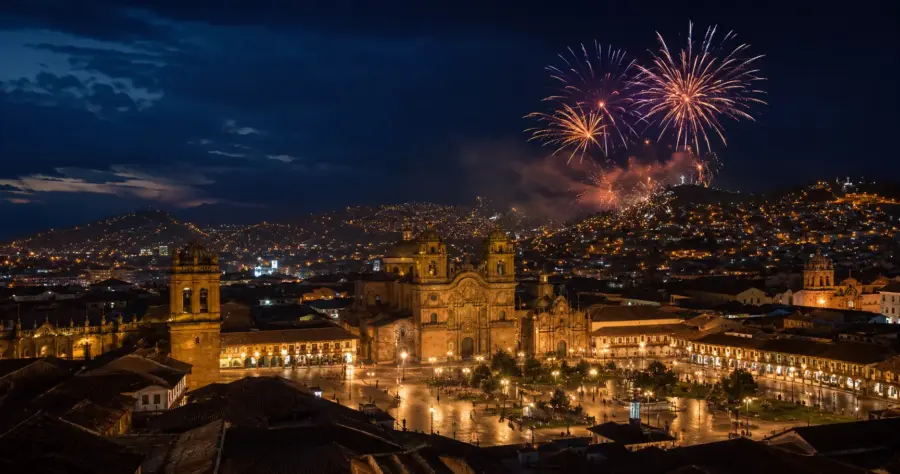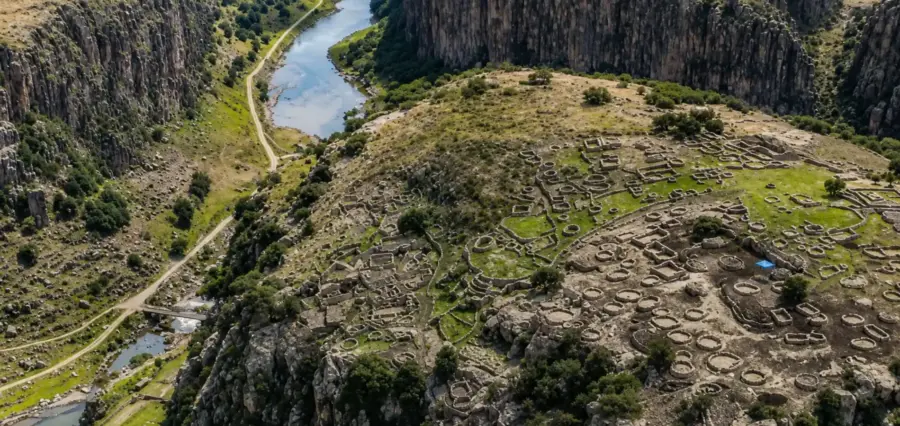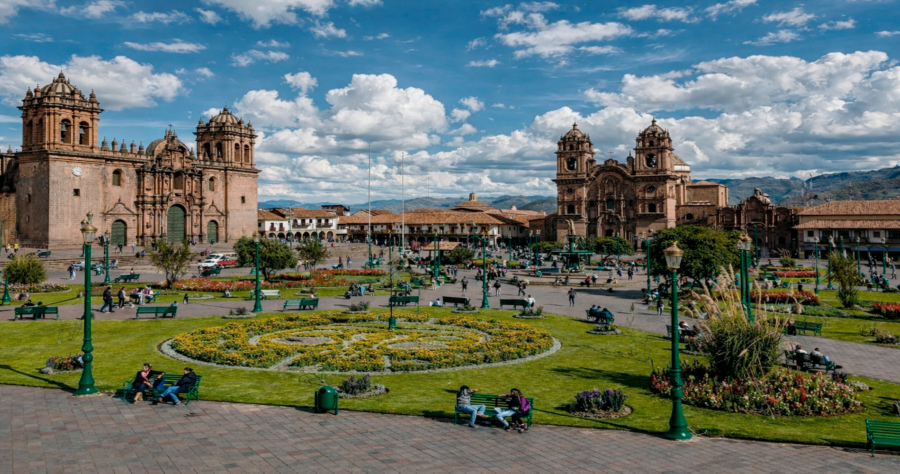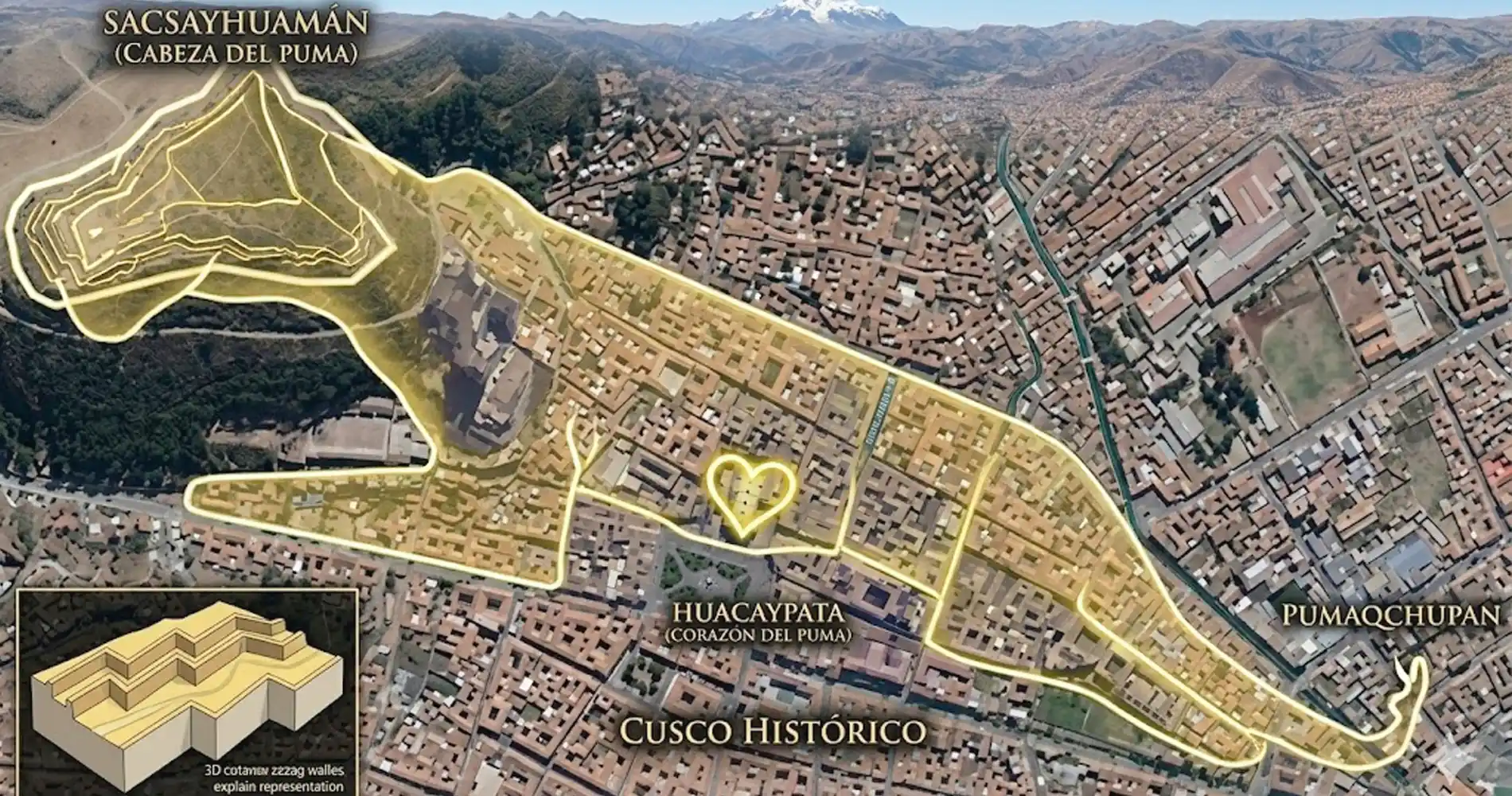

The design of ancient Cusco was no coincidence; it was a true work of planning filled with symbolism. The city was conceived in the shape of a puma, one of the sacred animals in Andean cosmology, associated with the earthly world, or Kay Pacha.
In this design, the “head” of the puma was represented by the imposing Sacsayhuamán, a monumental fortress whose zigzagging stone walls evoke the teeth of the feline. From there, the rest of the city extended like its body, with plazas and residential areas strategically organized.
The “tail” of the puma was formed at the confluence of the Saphy River and the Tullumayo River, completing this symbolic figure that gave meaning to the entire city.
More than just an urban layout, Cusco was conceived as a living space almost like a symbol in itself. A city that not only served as the capital of the empire, but also represented its strength, its order, and its connection to the sacred.
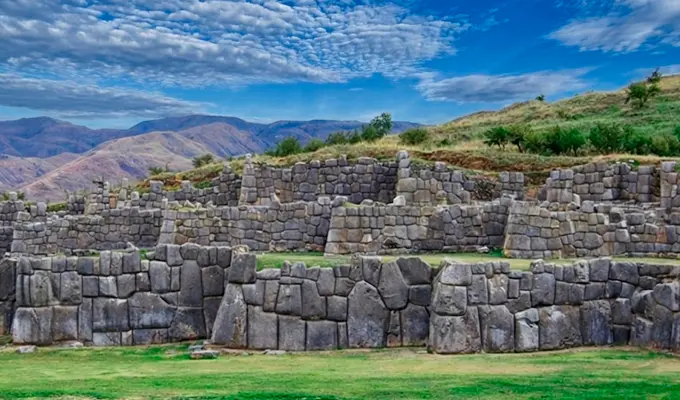
At the spiritual heart of this puma-shaped city stood Qorikancha, also known as the Temple of the Sun. This was the most sacred place in the entire empire, dedicated to Inti, the principal deity of the Incas.
Coricancha was not only remarkable for its religious importance, but also for its extraordinary wealth. Its walls were covered with sheets of gold that reflected sunlight so intensely that the temple seemed to shine on its own. In many ways, it was a physical representation of the empire’s power and its divine connection.
In its courtyards, the Incas created something even more astonishing: life-sized gardens made entirely of gold and silver. These featured figures of corn, llamas, and flowers, all carefully crafted to reflect abundance and a deep connection with nature.
As the capital of the empire, Cusco was not only a religious center, but also a political one. The Sapa Inca lived here alongside the nobility, concentrating power in a space that blended the sacred with the earthly. It was, without a doubt, the true heart of the Inca world.
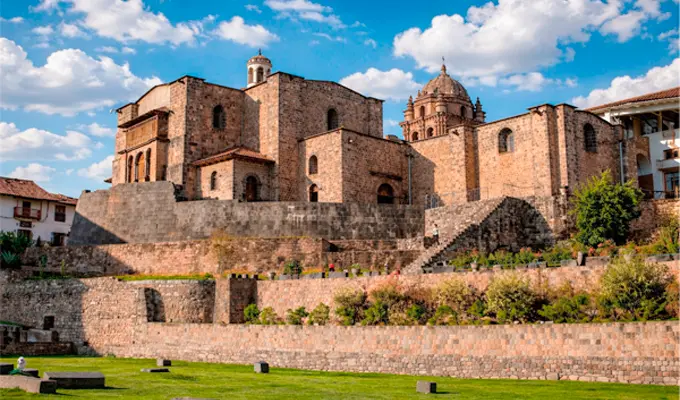
Cusco’s architectural legacy continues to amaze to this day and is considered one of the great wonders of history. The Incas didn’t just build, they did so with a level of precision that still astonishes modern engineers and architects.
One of their most impressive techniques is known as ashlar masonry, which involved shaping each stone individually so that it fit perfectly with the others. The result was so precise that, as it is often said, not even a needle could pass between the joints. All of this was done without using mortar, allowing the structures to remain flexible and highly resistant to the frequent earthquakes of the Andes.
What’s most fascinating is that this legacy didn’t remain in the past. Today, the modern city of Cusco stands directly on top of those Inca foundations. Walking through its streets feels like moving through two eras at once: perfectly fitted stone walls support colonial buildings, where Spanish arches rest on solid Inca granite.
For this reason, Cusco is not just a historic city, but a true “living museum,” where the past is still present in every corner.
Qhapaq Ñan: the great network that connected everything
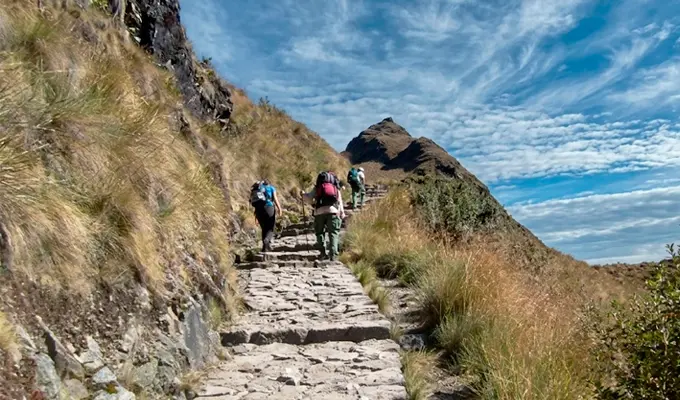
From Cusco began one of the most impressive achievements of the Inca world: the Qhapaq Ñan. It was not just a system of roads, but a network of more than 30,000 kilometers that connected the capital with territories that today are part of Chile, Argentina, and Colombia. Along these routes, the chasquis Inca messengers carried information from one place to another with remarkable speed for the time. It was, in essence, the system that kept the entire empire united.
Machu Picchu: a refuge in the heights
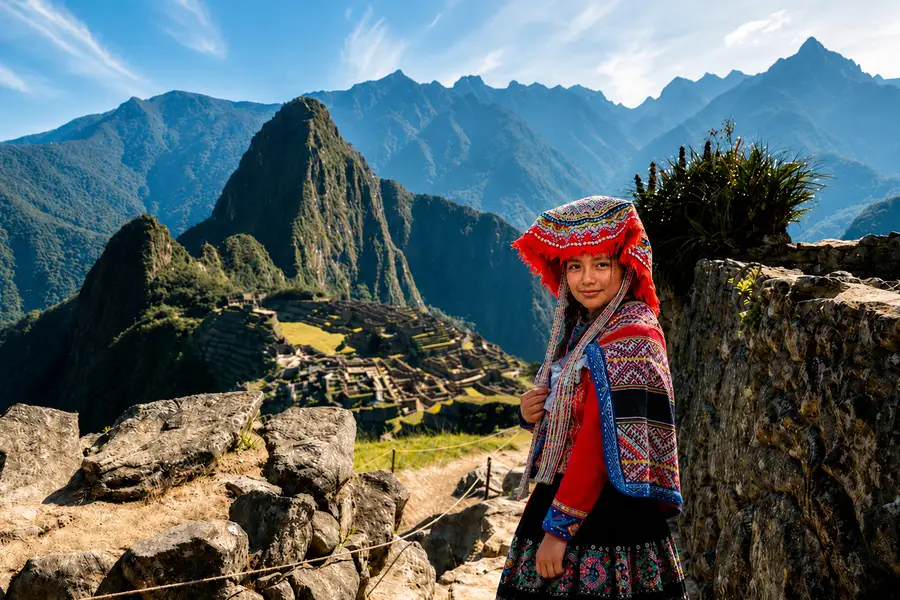
Although Cusco was the political center, Machu Picchu served a very different purpose. This citadel, built high in the mountains, functioned as a retreat and ceremonial site for the emperor Pachacútec. Understanding the relationship between these two places reveals how the Incas organized their territory: an active capital and a strategic refuge, both connected by a carefully planned network.
The Andean trilogy: balance between worlds
The design of Cusco was not only practical, but also deeply spiritual. The city represented the puma, a symbol of the earthly world, but it was also part of a broader vision: the Andean trilogy. In this worldview, the condor represents the upper world (the heavens), while the serpent represents the lower world (the underworld).
Thus, more than just a capital, Cusco was conceived as a space of balance where the earthly, the spiritual, and the natural were integrated into a single vision of the world.