
When people talk about Peru’s archaeological legacy, a few places tend to dominate the conversation. Machu Picchu usually takes center stage, alongside historic complexes that have long been part of the classic route through Cusco. Yet beyond those well-known landmarks, in an area that remained largely outside both the tourist map and academic focus for decades, a new discovery is beginning to capture the attention of archaeologists and historians.
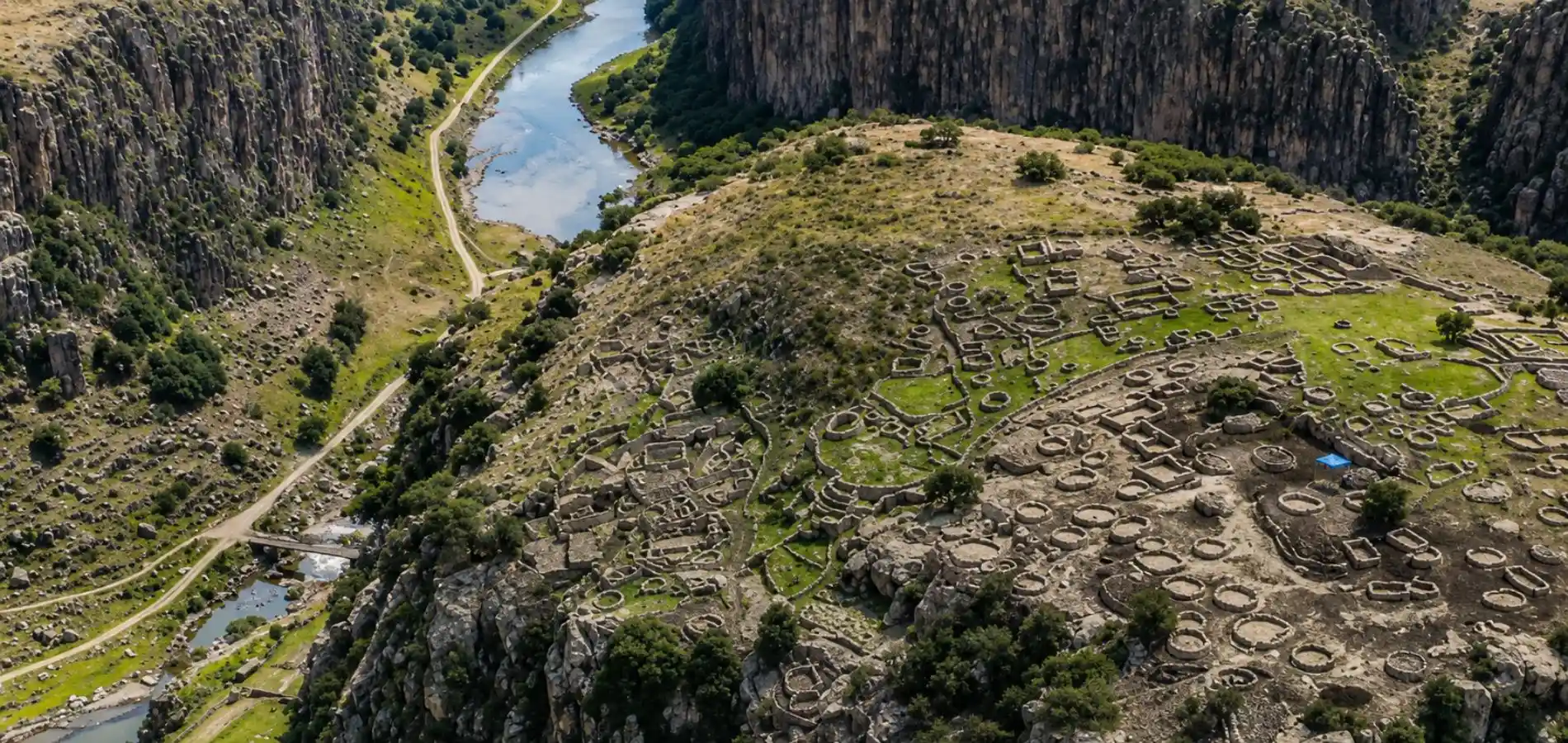
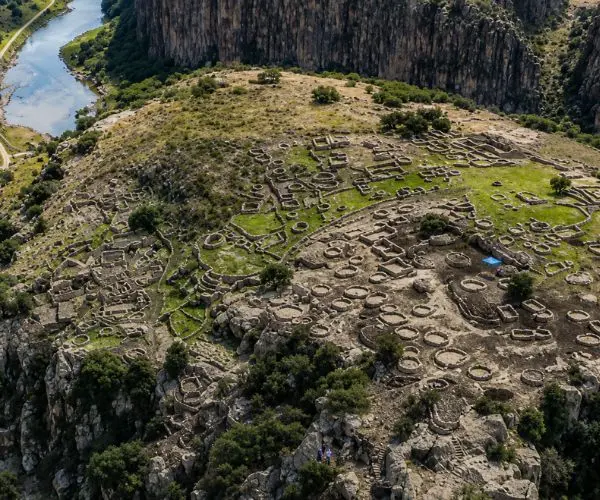
Located on a plateau near the Apurímac River canyon, T’aqrachullo is an archaeological settlement attracting interest for reasons that go far beyond its size. Recent research at the site has revealed ceremonial structures, residential spaces, and evidence suggesting that its role within the ancient Inca world may have been far more significant than previously believed.
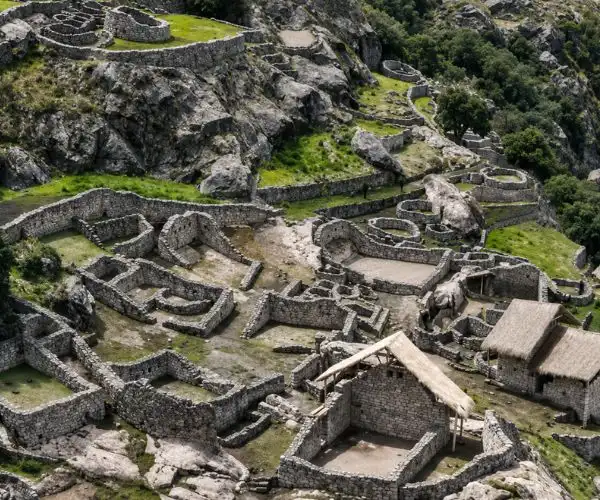
For years, the area showed little more than scattered traces hidden beneath vegetation and shaped by agricultural activity in the surrounding landscape. But as excavations progressed, a different picture began to emerge. Stone-built enclosures, objects linked to ritual practices, and a carefully organized spatial layout point toward a settlement that was not only inhabited, but sustained and structured over an extended period.
What makes T’aqrachullo especially compelling is not simply the scale of the site or the comparisons that are already being drawn with other Inca sites. Its real importance lies in the questions it raises. Some researchers believe this complex could provide new insights into how centers of influence operated across the Inca Empire beyond its traditional core territories, and help explain what happened in this region during the transitional years shaped by the arrival of the Spanish.
Although the research is still ongoing, the discovery is already reinforcing an idea that is difficult to ignore: there are still unexplored places capable of expanding what we know about one of the most influential civilizations in the history of the Americas. T’aqrachullo may not yet be a household name, but its story could become an important new chapter in understanding the complexity and reach of the Inca world.
T’aqrachullo is located in the Cusco region, around 225 kilometers northwest of Machu Picchu, on an elevated plateau near the Apurímac River canyon. At first glance, its distance from Peru’s most established tourist routes might suggest that it was an isolated settlement with limited historical importance. However, that location is precisely one of the reasons why the site has begun to attract so much attention.
Its position raises new questions about how the Inca world was organized beyond its most recognized ceremonial and political centers. Rather than being disconnected, T’aqrachullo may have occupied a strategic place within a broader network of settlements, movement corridors, and regional influence. This possibility is leading archaeologists to look at the area from a completely different perspective and reconsider assumptions about how power and occupation extended across the empire.
| Location | Details |
| Exact Location | Located on an impressive cliffside plateau within the Apurímac River canyon. |
| Altitude | Situated in a high-altitude mountain area, approximately 4,100 meters (13,450 feet) above sea level. |
| Natural Landscape | Surrounded by the spectacular tourist attraction known as the Three Canyons of Suykutambo. |
In the Andean world, the choice of territory was rarely accidental. The plateau where T’aqrachullo is located overlooks a landscape crossed by natural routes and ancient pathways that for centuries enabled movement between different regions. For researchers, locations like this are often associated with spaces that supported organization, exchange, and territorial control, suggesting that the site may have played a more important role than its remote setting initially implied.
For a long time, the area offered few visible signs of the scale hidden beneath the surface. Covered by vegetation, scattered remains, and partially buried structures, it appeared to be just another archaeological site among the many found across southern Peru. But as investigations progressed, a different picture began to emerge: a much larger and more complex settlement, with a layout that reveals intentional planning and multiple functions within the same space, reinforcing the idea that T’aqrachullo may have been part of a broader and more sophisticated network in the ancient Inca world.
Reaching T’aqrachullo involves traveling through some of the most spectacular high-Andean routes in southern Peru. Since the site is still not part of the traditional tourist circuit, access combines main highways with unpaved roads, so it is advisable to plan the journey in advance.
This is the most commonly used route to reach the archaeological site. The journey covers approximately 244 km and takes around 5 hours along the Cusco–Espinar highway. Once in Yauri, the route continues on a gravel road toward Suyckutambo (approximately 45 additional minutes). From there, the trip follows an unpaved track to kilometer 29, where the Totorani Bridge is located, considered the main access point to T’aqrachullo.
Access is via the PE-34A highway toward Juliaca, taking the detour at Patahuasi toward the Colca Valley. The route continues through Chivay, Callalli, Sibayo, and finally Suyckutambo, from where travelers continue toward the archaeological area.
The route follows the PE-34A highway through Juliaca, Santa Lucía, Lagunillas, Imata, Negromayo, Héctor Tejada, Yauri, and later Suyckutambo, the reference point for continuing toward the site.
The route begins along the PE-3Sw highway from Chalhuahuacho to Abra Acopunco. It then continues through Santo Tomás, Velille, and Coporaque until reaching Suyckutambo, from where access to the T’aqrachullo area begins.
T’aqrachullo currently has a reference visiting schedule from 8:00 a.m. to 4:00 p.m., and according to available tourism information, entrance is presently free of charge. Even so, it is recommended to confirm this information before traveling with the Culture Directorate of Cusco or the municipality of Suyckutambo, as access conditions may vary depending on the season or the conservation status of the site.
Due to its location in the high-Andean puna region, the climate is generally cold and dry, with average temperatures ranging between 7.2 °C and 8.6 °C (45 °F to 47 °F). The best time to visit is usually between April and November, when skies are clearer and rainfall is less frequent. If you plan to travel during July or August, keep in mind that these months often bring frost and stronger winds, so carrying thermal clothing and extra layers will make the experience much more comfortable.
| Useful Information | Details |
| Reference Visiting Hours | 8:00 a.m. to 4:00 p.m. |
| Entrance Fee | Currently free (recommended to confirm before traveling) |
| Climate | Cold and dry, typical of the high-Andean puna |
| Average Temperature | Between 7.2 °C and 8.6 °C |
| Best Time to Visit | From April to November |
| Recommendation | Bring warm clothing, especially between July and August |
For now, visiting T’aqrachullo is very different from exploring the more established archaeological sites in Cusco. The complex is still in a phase focused primarily on research, conservation, and heritage development, which means it does not yet operate as a fully developed tourist destination or offer the services commonly available at sites that are part of the regular regional circuit.
That does not mean the site is outside the future of tourism. Quite the opposite. The growing archaeological interest and the attention T’aqrachullo has received in recent months have already started to encourage projects aimed at improving connectivity to the area and preparing the region for possible broader access in the future. Among the initiatives announced is the improvement of road access toward the Espinar area, where the complex is located.
For travelers coming to Cusco because of its history and archaeology, the best way to approach T’aqrachullo right now may not be through a direct visit, but by understanding the wider context it belongs to. Exploring the Sacred Valley, visiting ancient ceremonial centers, and spending time in the region’s museums and cultural spaces can provide a deeper perspective on why a discovery like this is generating so much discussion among specialists.
There is also something uniquely compelling about following a discovery while its story is still unfolding. If T’aqrachullo eventually opens to visitors on a larger scale — assuming research and conservation continue moving in that direction — those who have followed its development from the beginning will arrive with a different perspective. They will not simply see ruins; they will witness how a long-forgotten site gradually reclaimed its place on Peru’s historical map.
For a long time, T’aqrachullo was one of those places that raised more questions than answers. Early explorations revealed signs of ancient occupation — ceramic fragments, scattered walls, and partially visible structures — but there was still no evidence strong enough to explain the site’s true importance within the Inca world.
That perception changed with an excavation that became a turning point for the archaeological project. While researchers were working in one of the stone-built sectors, they began uncovering elements beneath the surface that did not fit the idea of a secondary settlement or a purely residential space.
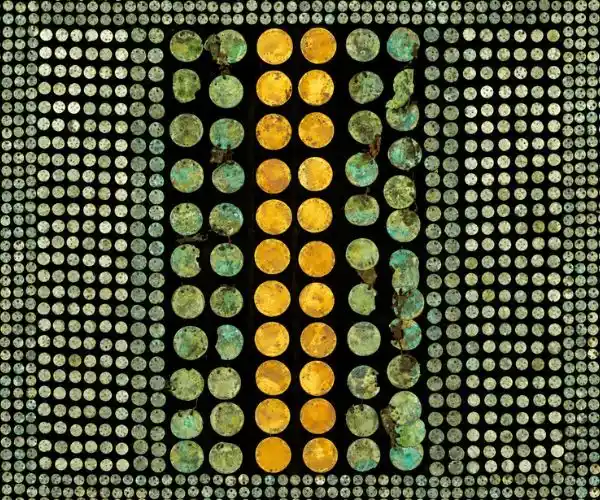
What emerged were thousands of small ornamental pieces crafted from metals such as gold, silver, and copper, preserved beneath layers of soil for centuries. Beyond the visual impact of the discovery, the real archaeological value lay in what these objects suggested about the place where they had remained hidden for so long.
In the Andean world, artifacts of this kind rarely appear in isolation or in connection with everyday activities. Their presence is often associated with ceremonial contexts, spaces reserved for elite groups, or environments where rituals with strong symbolic and political significance took place. In other words, the discovery began to indicate that T’aqrachullo may have served a far more complex and strategic role than originally assumed.
From that point onward, excavations shifted their focus. Rather than simply identifying structures, researchers began trying to reconstruct the role this settlement may have played within the Tahuantinsuyo, the historic Inca Empire. New sectors started to be explored through a different lens, and T’aqrachullo moved from being an intriguing archaeological prospect to becoming one of the most closely watched historical projects in Peru today.
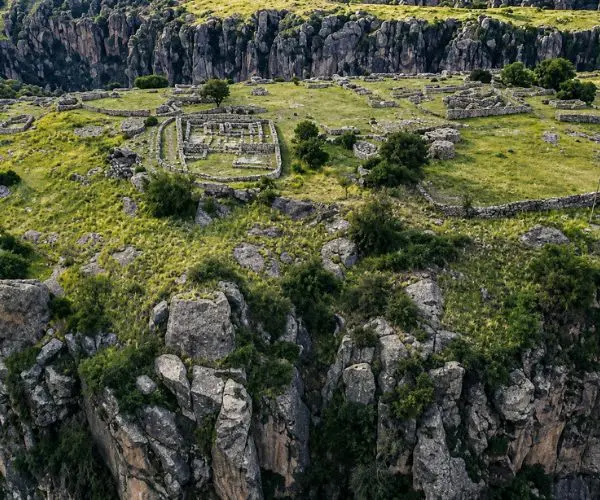
T’aqrachullo is not only providing new information about ritual practices, territorial organization, and spaces of authority. As excavations continue, researchers are also uncovering evidence that points to a very different story — one shaped less by ceremony and more by moments of tension, uncertainty, and possible conflict.
Among the materials recovered across different sectors of the complex, archaeologists have identified stone projectiles, obsidian spear points, and human remains showing signs that may be consistent with episodes of violence. Although each discovery still requires specialized analysis before definitive conclusions can be reached, the overall picture is beginning to challenge the idea of a settlement dedicated exclusively to religious or administrative functions.
One of the findings that has generated the greatest interest involves alterations detected along part of the main access route to the plateau. At first, these collapsed sections appeared to be the result of natural erosion and the passage of time. However, as investigations expanded, another interpretation began to emerge: that some of these structures may have been intentionally modified as a defensive measure.
The hypothesis currently under study suggests that certain access points could have been deliberately blocked to make entry more difficult for hostile groups during a period of political and military instability in the final years of the Inca Empire. If this interpretation is confirmed, T’aqrachullo could offer rare evidence of how some communities responded to the Spanish advance and to the transformations that began reshaping the Andean world.
It is still too early to conclude that the site was the direct setting of a battle or a specific act of resistance. But that uncertainty is also part of its archaeological significance. Each new discovery is helping researchers reconstruct a historical period that still contains many unanswered questions and may ultimately provide a deeper understanding of how the final chapters of the Tahuantinsuyo were experienced far from the better-known centers of Inca history.
T’aqrachullo is an archaeological complex located in the Cusco region that is currently undergoing active research and investigation. The growing interest surrounding the site is not based solely on its size, but on the combination of evidence uncovered during excavations, including ceremonial structures, residential sectors, and objects linked to activities with strong symbolic value within the Andean world. According to several researchers, the site could help provide a deeper understanding of how certain centers of power were organized during the final centuries of the Inca Empire.
Current archaeological estimates place the studied area of T’aqrachullo at approximately 17.4 hectares, a figure that has naturally led to comparisons with Machu Picchu. However, researchers consistently point out that size alone does not determine a site's historical significance. What makes T’aqrachullo especially important is the possibility that it fulfilled political, religious, and strategic functions that are still being investigated and interpreted.
The site is located in Cusco, on a plateau near the Apurímac River system, outside the region’s traditional tourist routes. Its geographic position has attracted particular attention because it appears to connect areas that historically played a role in movement, exchange, and territorial organization across the Andean landscape, making it a potentially strategic location within broader regional networks.
Archaeological work has identified hundreds of structures and recovered objects made from metals such as gold, silver, and copper. Researchers have also uncovered remains associated with ceremonial activities, architectural features from different historical phases, and materials suggesting occupations that may predate the Inca period. Together, these discoveries are helping build a more complete picture of the site and its possible cultural continuity across different periods of history.
At the moment, T’aqrachullo is not open as a regular tourist destination. The area remains under archaeological investigation and conservation processes, which means access is still limited. Even so, the growing attention generated by the discovery has already begun positioning the site as one of the archaeological projects with the strongest future potential within Cusco’s cultural and tourism landscape.