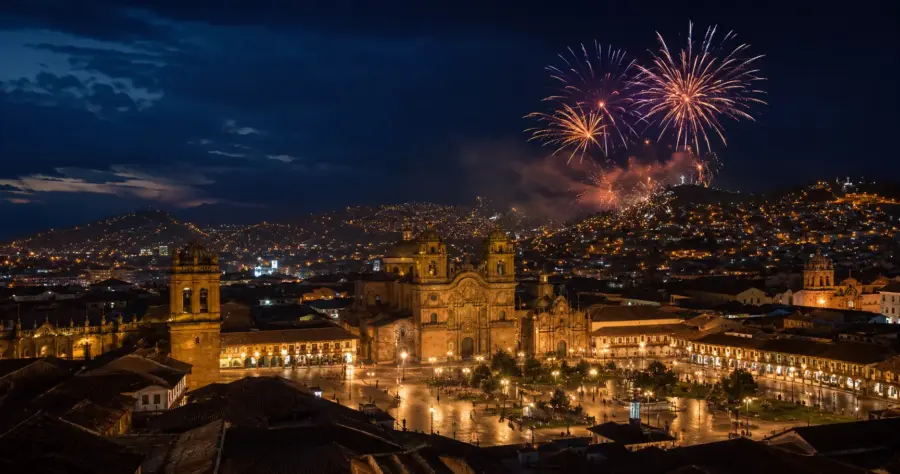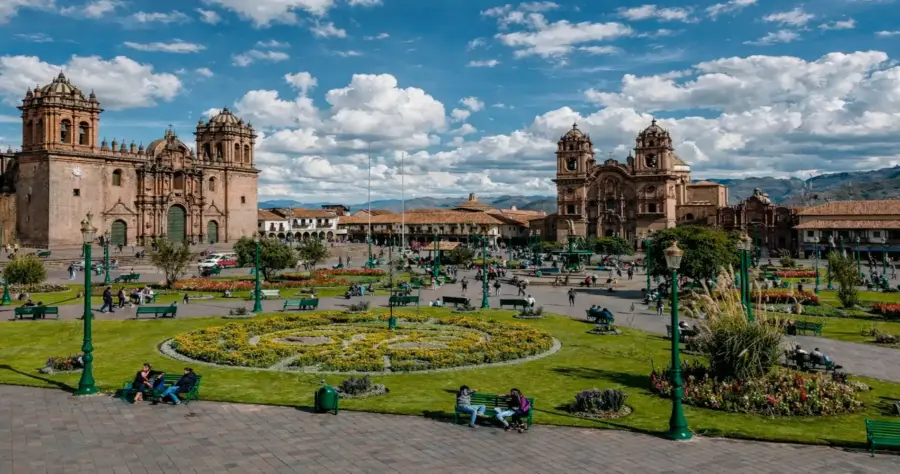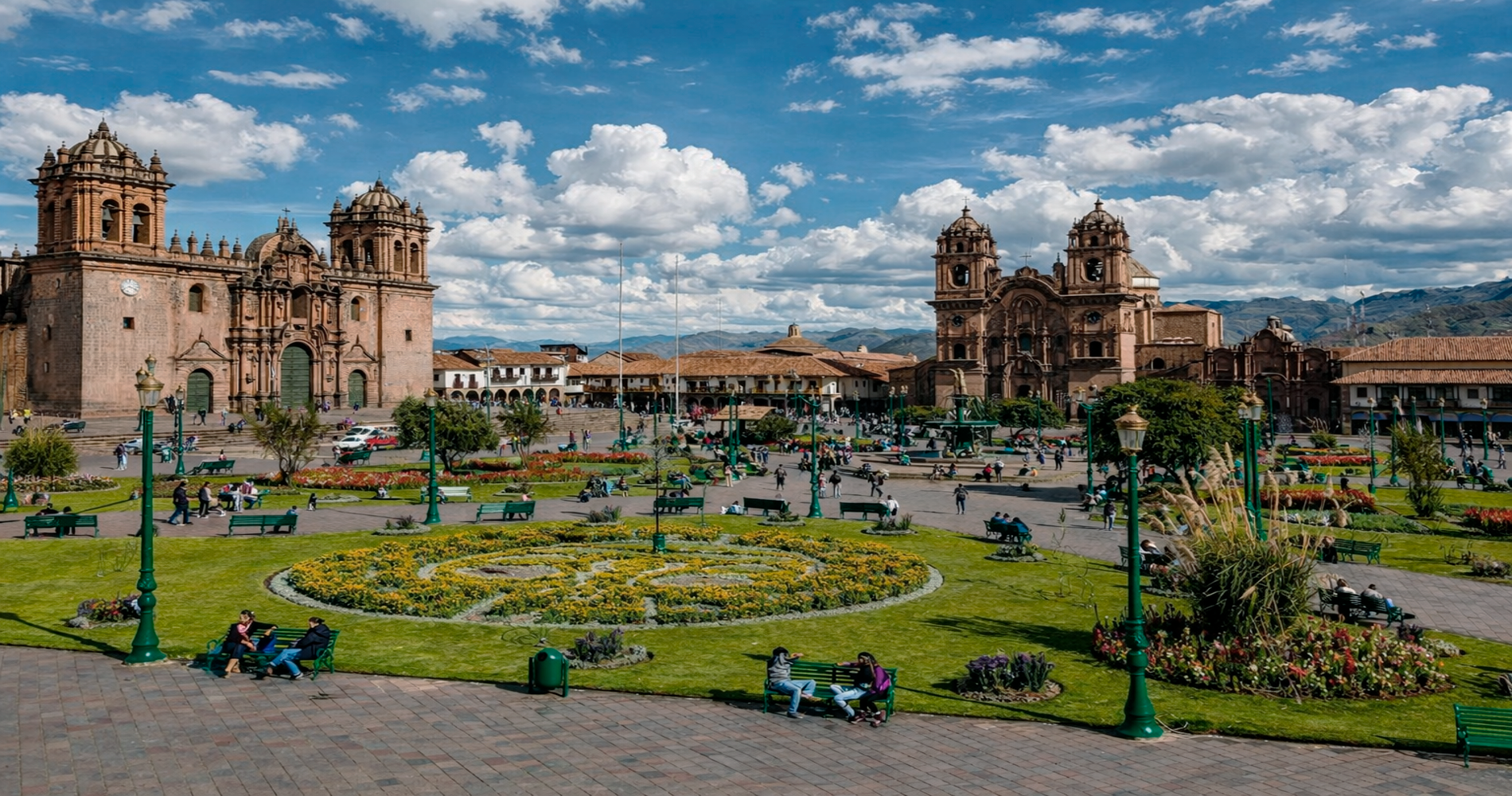

When planning a trip to Cusco, there’s one key detail you can’t overlook: the altitude. The city sits at about 3,399 meters (11,152 feet) above sea level, which for many people especially those coming from low-altitude or coastal areas can feel like a significant change.
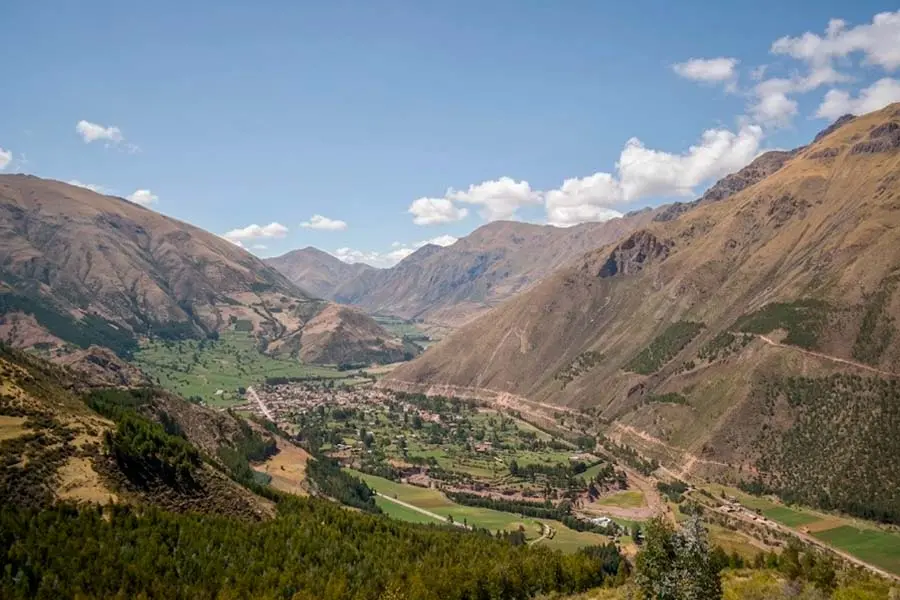
Cusco lies high in the valley of the Huatanay River, surrounded by mountains that rise even higher, creating breathtaking landscapes. But beyond the beauty, understanding the altitude is important to ensure your trip is comfortable and safe.
It’s not just an interesting fact knowing this will help you prepare better, take things slowly when you arrive, and truly enjoy the experience in this historic Andean city.
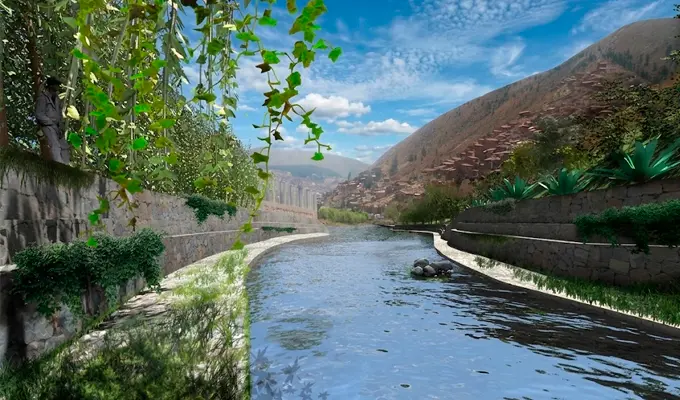
The altitude of Cusco is part of what makes it so special: clean air, incredible landscapes, and unforgettable views. But it also means the air has less oxygen than at sea level.
That’s why, when you arrive, especially at Alejandro Velasco Astete International Airport it’s normal to feel the change almost immediately. Simple activities like carrying a suitcase or climbing a few stairs can leave you more tired than usual.
Your body just needs a bit of time to adjust to the altitude. It’s completely normal, and by taking it easy during the first few days, you’ll soon be able to enjoy Cusco without any problems.
When you first arrive in the Andes, it’s quite common to experience what’s known as soroche, or altitude sickness. Since your body has to work harder to get oxygen, you may feel mild symptoms such as headaches, fatigue, or slight shortness of breath, especially during the first or second day.
To make this adjustment easier, the most important thing is to take it slow: rest when you arrive, avoid intense physical effort, and stay well hydrated.
There’s also a very traditional remedy that has been used for generations: coca tea. This hot infusion made from coca leaves helps relieve symptoms and is part of the local experience. Many travelers try it and find it helpful while their body adapts to the altitude.
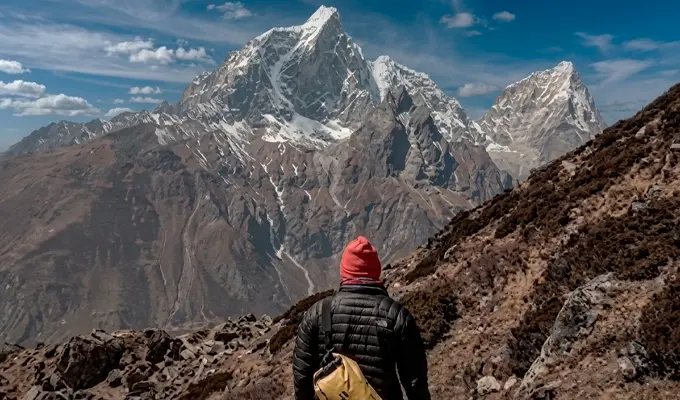
A very valuable tip that guides often share is to understand how altitude varies across the region, because it can make a big difference in your travel experience. Although Cusco is the most common arrival point, it is actually at a higher altitude than several of the places you’ll likely want to visit.
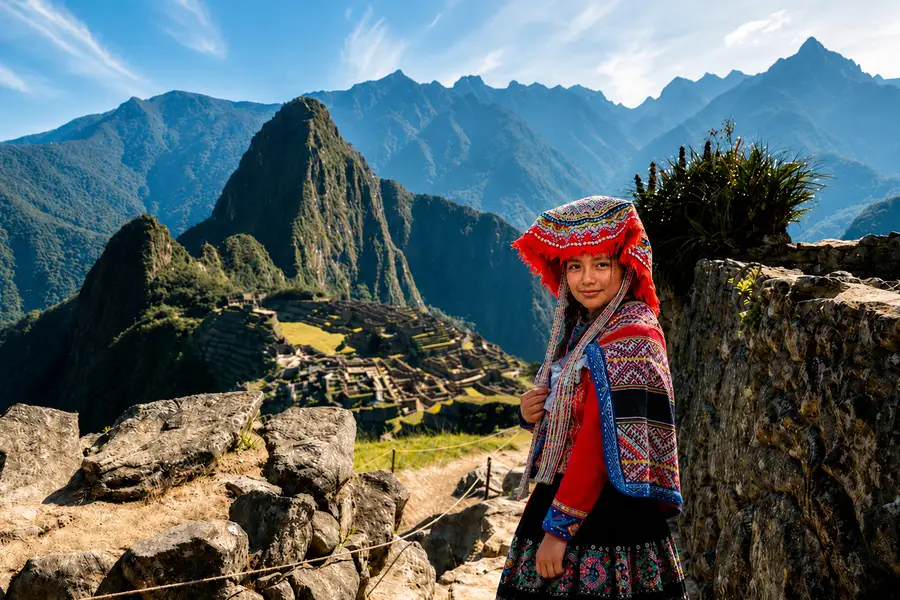
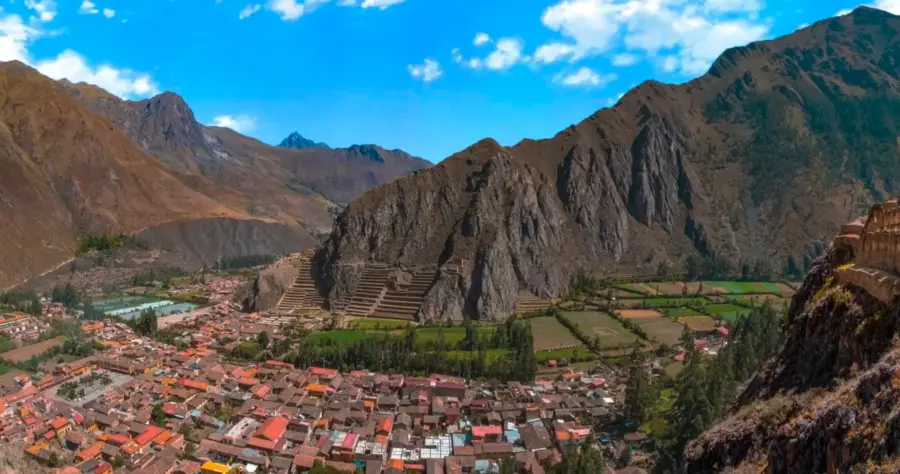
For example, the Sacred Valley of the Incas is located at a lower altitude and is generally easier for the body to handle. Even lower is Machu Picchu, making it a more accessible destination in terms of altitude adjustment.
That’s why many well-planned itineraries recommend not staying in Cusco right away, but heading first to the Sacred Valley. This small change in the order of your trip allows your body to adapt gradually, reducing the discomfort of altitude sickness. Then, when you return to Cusco, the experience is usually much more comfortable, letting you better enjoy its streets, history, and everything the city has to offer.
Coca and muña tea: natural allies at high altitude
More than just a local tradition, coca tea and muña are great supports when you arrive in high-altitude places like Cusco. These infusions help relieve fatigue, improve digestion, and make the adaptation process easier. Knowing when and how to drink them can make a big difference in how you feel during your first days.
Preparing for trekking at altitude
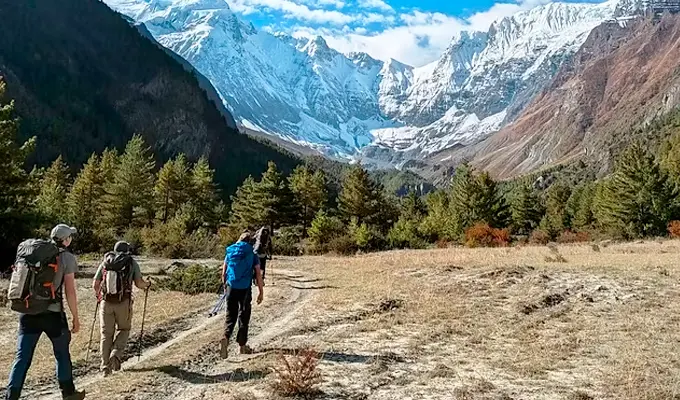
If you’re planning to do routes like the Inca Trail or the Salkantay Trek, acclimatization isn’t optional, it's essential. These treks reach quite demanding altitudes, so spending a few days beforehand in Cusco or nearby areas helps your body prepare and allows you to enjoy the experience without complications.
Hydration and nutrition: keys to better adaptation
At high altitude, the body functions differently. That’s why it’s recommended to stay well hydrated, eat light meals, and avoid alcohol at the beginning. This gives your body the chance to focus on adapting to lower oxygen levels, helping you feel more energized to explore and enjoy every moment.