
For many travelers arriving in the Southern Hemisphere, one of the first questions is understanding their point of entry. In the case of Lima, it’s a city located on the central coast of South America, along the shores of the Pacific Ocean.
Interestingly, Lima has a rather unusual feature: it is one of the few capitals in the world along with Cairo that is built in the middle of a desert.
Thanks to its location, Lima has become the country’s main hub. From here, it’s easy to travel to the coast, the Andes Mountains, or the Amazon rainforest, making it a key gateway to explore all of Peru.
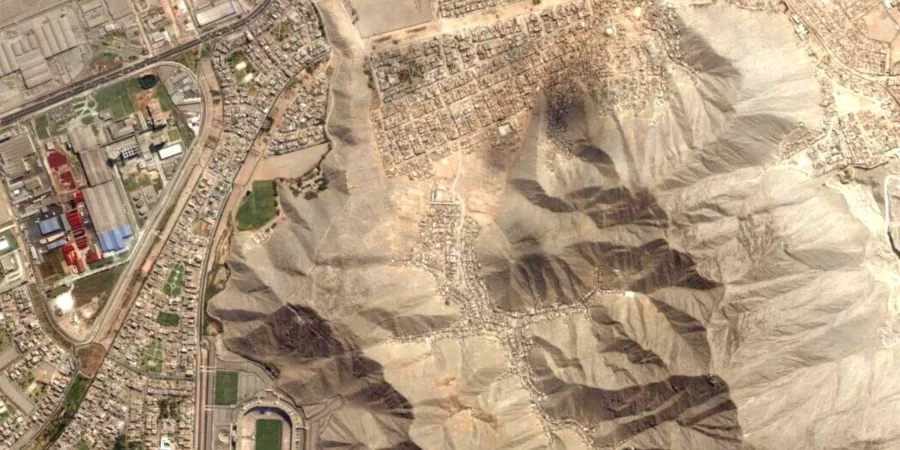
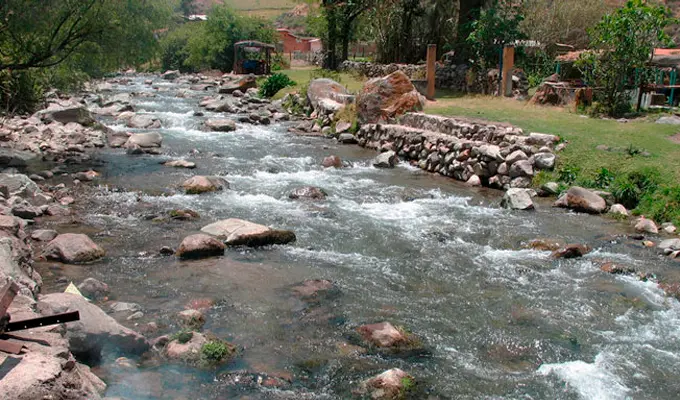
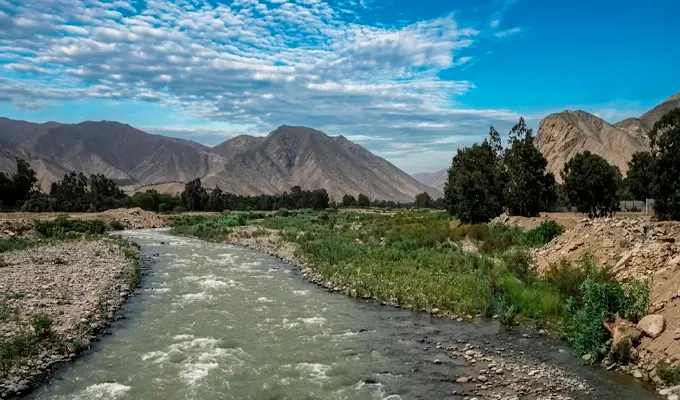
Lima stretches across the valleys formed by the Chillón River, Rímac River, and Lurín River. It is located along a desert coastal strip that runs across much of the Peruvian shoreline, making it a very unique place.
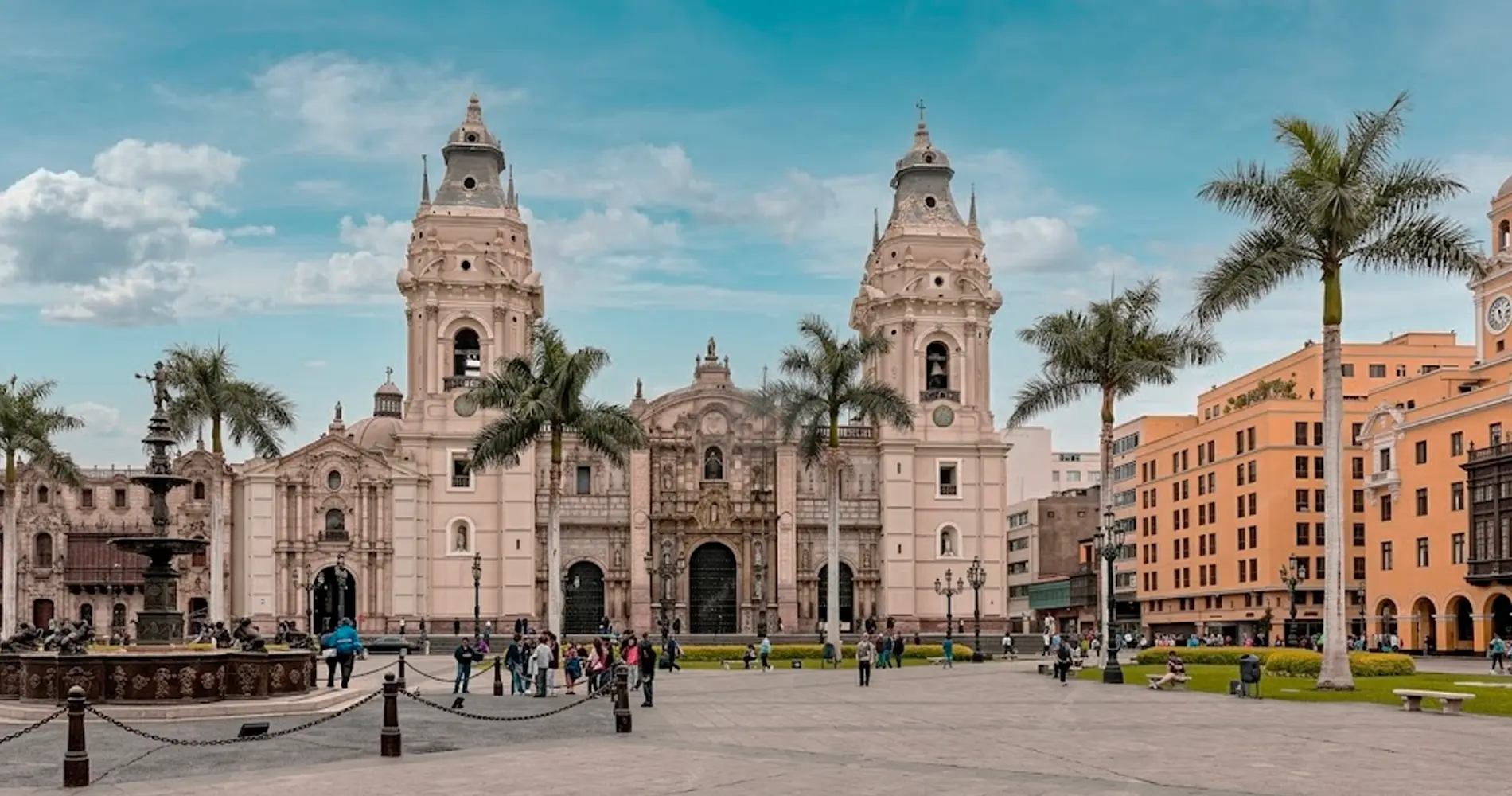
If you look at a map of South America, you’ll see that Lima holds a central position on the continent’s west coast. This location was key to its history, as during the Viceroyalty of Peru it became one of the most important cities, known as the “City of Kings.”
Despite being surrounded by desert, Lima isn’t as dry as it might seem. Thanks to the Humboldt Current, the city has constant humidity, giving it its characteristic gray skies and a mild climate for most of the year.
From a practical standpoint, Lima has everything in its favor. As soon as you arrive at Jorge Chávez International Airport, it becomes clear that the city serves as the main gateway to the country. From here, traveling to destinations like Cusco, the Nazca Lines, or the Amazon is much easier than most people expect.
Its proximity to the Port of Callao, the largest in the country, also reinforces its role as a key hub not only for tourism but for the national economy as well. Everything is connected, and you can feel it in how easily any trip can be planned.
Being in Lima means having much of the country within reach. In less than two hours by plane, you can go from the coast to the heart of the Andes or venture into the Amazon rainforest. It’s the kind of place that naturally becomes the starting point for unforgettable journeys.
Understanding where Lima is located also helps explain how well connected it is to the rest of the country. Being on the central coast makes it easy to travel both north to destinations like Piura and Tumbes and south, where you’ll find places like the Paracas National Reserve and the city of Arequipa.
Thanks to this location, travelers can experience unique contrasts in a short amount of time. In just a few hours, you can go from the coastal desert to the stunning landscapes of the Andes Mountains, either by road or a short flight. This ease of movement is part of what makes Lima a strategic hub for exploring Peru.
Miraflores and the cliffs of the Costa Verde
One of the most striking landscapes in Lima is found in the Miraflores district. From the cliffs of the Costa Verde, you can see the Pacific Ocean in all its magnitude. It’s the perfect place to understand how the city coexists with the sea and to enjoy truly unique views.
Climate in Lima: when is the best time to visit?
Being located in a coastal desert, Lima has two fairly defined seasons: one sunnier and one more overcast. The ocean’s humidity, influenced by the Humboldt Current, greatly affects visibility and how the temperature feels. Keeping this in mind will help you better plan your stay before heading to places like Cusco.
Lima’s gastronomy: the flavor of the Pacific
Lima’s cuisine is deeply connected to its coastal location. Direct access to fresh seafood, thanks to the Humboldt Current, is what has made the city one of the world’s most important gastronomic capitals. Here, every dish reflects that connection to the ocean and the richness of its ingredients.