
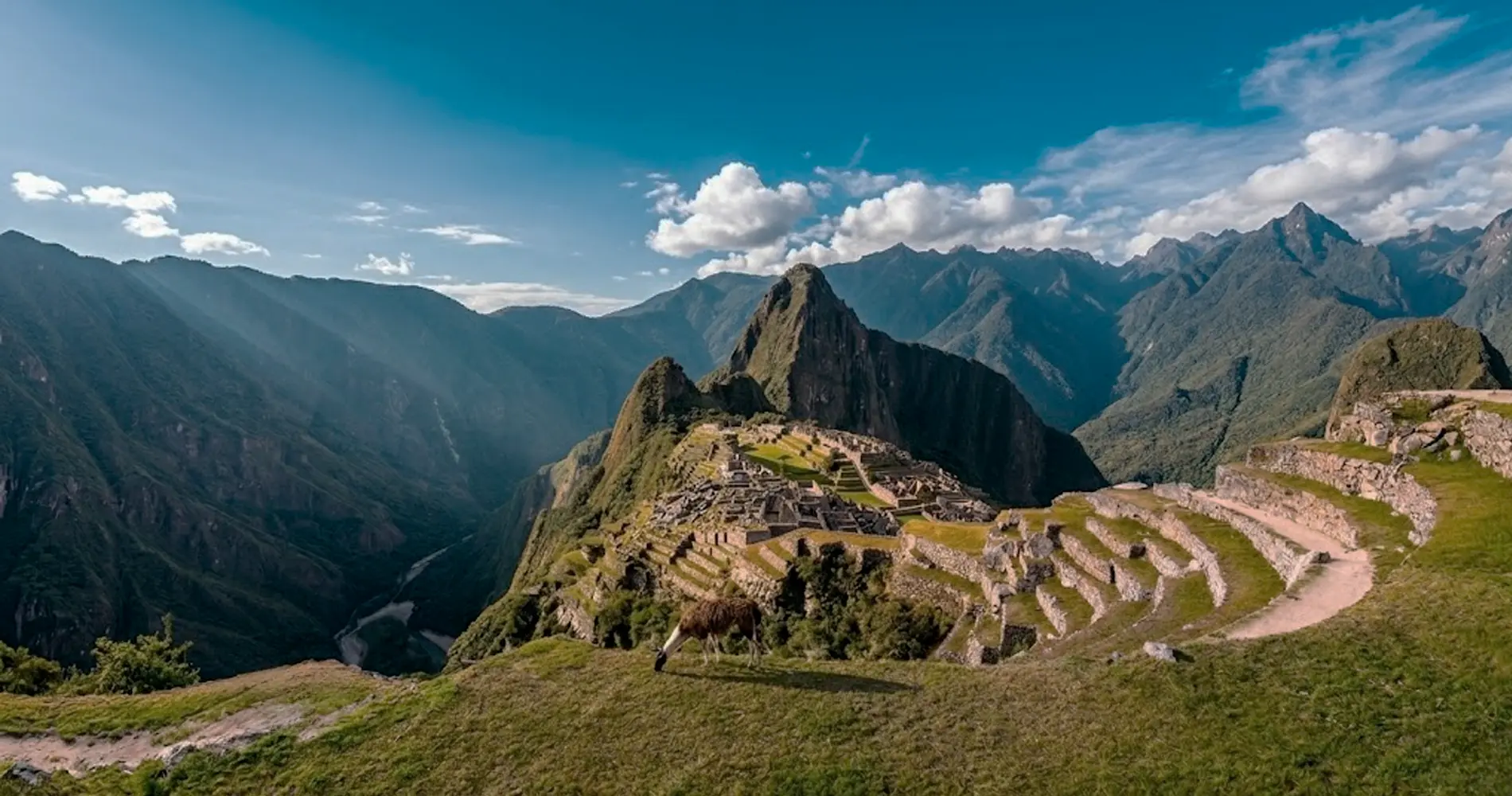
For many travelers, arriving at Machu Picchu is much more than just a visit it’s a long-awaited dream. However, one of the main questions and sometimes concerns has to do with the level of physical effort involved.
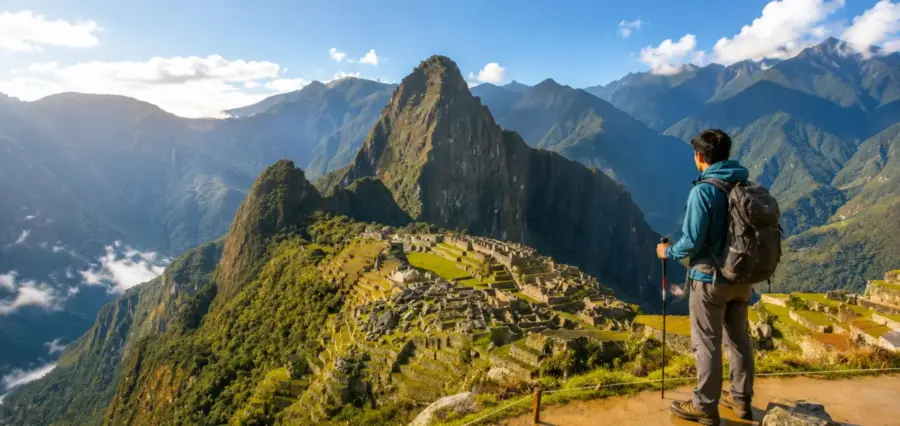
The first thing to understand is that “walking to Machu Picchu” doesn’t mean the same for everyone. It all depends on the route you choose. On one hand, there’s the classic visit to the citadel, which already involves walking along stone paths, going up and down steps, and navigating uneven terrain. On the other hand, there are multi-day trekking routes, such as the Inca Trail or the Salkantay Trek, which are much more physically demanding experiences.
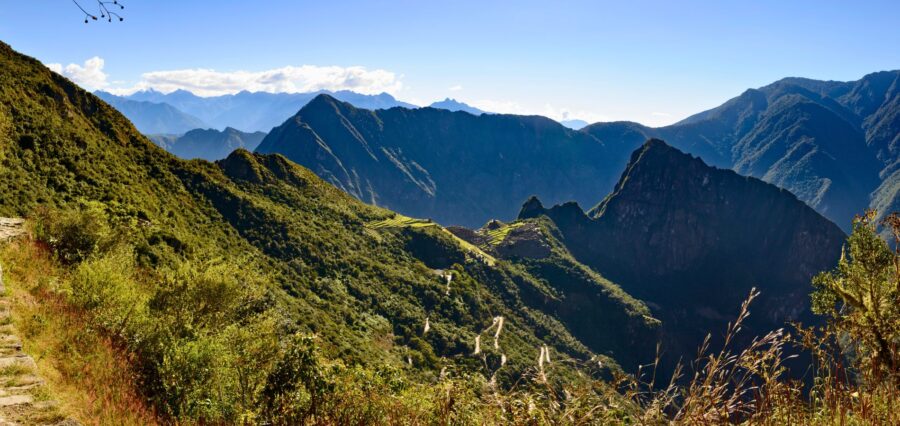
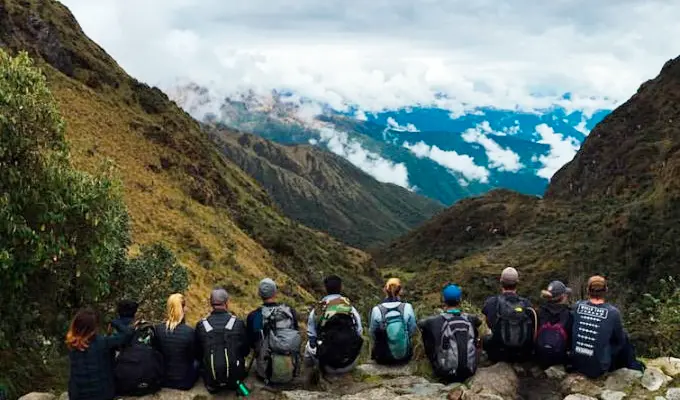
The difficulty of these hikes is not only due to the distance. Several factors come into play: the steep slopes of the Andes, the irregular trails, and above all, the altitude, which can be felt even by people in good physical condition.
For that reason, rather than worrying, the key is to be well informed and choose the option that best suits your level and the kind of experience you’re looking for. With proper preparation, reaching Machu Picchu can be as challenging as it is rewarding.
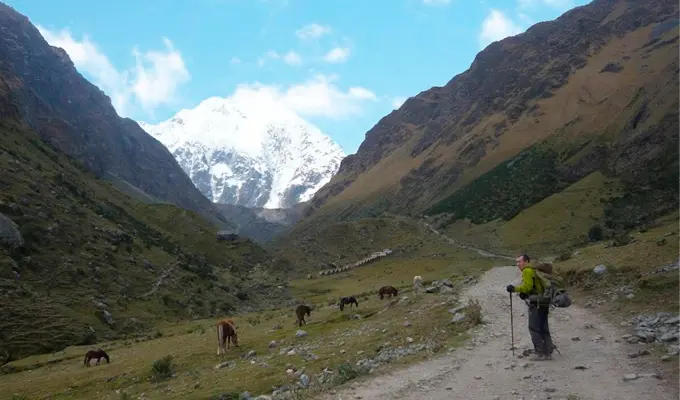
The Classic 4-day Inca Trail is considered moderate to difficult according to most hiking standards. While the total distance of 42 kilometers (26 miles) may not seem overwhelming on paper, the challenge lies in the thousands of original Inca stone steps that make up the trail. These steps vary in height and can be particularly demanding on the knees during long descents.The most difficult part of the hike is the second day, which involves the ascent to Dead Woman’s Pass (Warmiwañusca), the highest point on the trail at 4,215 meters (13,828 feet). This section requires a slow and steady pace, as well as considerable cardiovascular endurance, but rewards hikers with the most iconic entrance to the ruins through the Sun Gate on the final day.
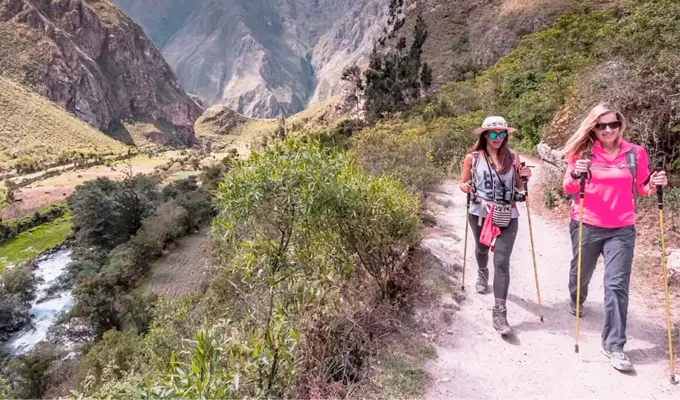
For those seeking a more intense experience connected with nature, the Salkantay Trek is one of the most challenging options. In fact, many consider it more demanding than the Classic Inca Trail.
This route covers 74 kilometers (46 miles) and reaches its highest point at the imposing Salkantay Pass, at 4,630 meters (15,190 feet) above sea level. But beyond the distance, what truly makes the difference is the variety of landscapes you pass through. In just a few days, you move from cold alpine environments surrounded by mountains and glaciers to much warmer and more humid areas, where lush high jungle vegetation begins to dominate.
The terrain also plays a major role: it’s more rugged, less predictable, and in many sections quite steep. This makes the trek physically demanding, especially for those who are not accustomed to high altitudes or long-distance hikes.
For that reason, the Salkantay is ideal for travelers with trekking experience who are looking for more than just reaching Machu Picchu. It’s a route for those who want to challenge themselves, step off the traditional paths, and experience a more authentic adventure in the Andes.
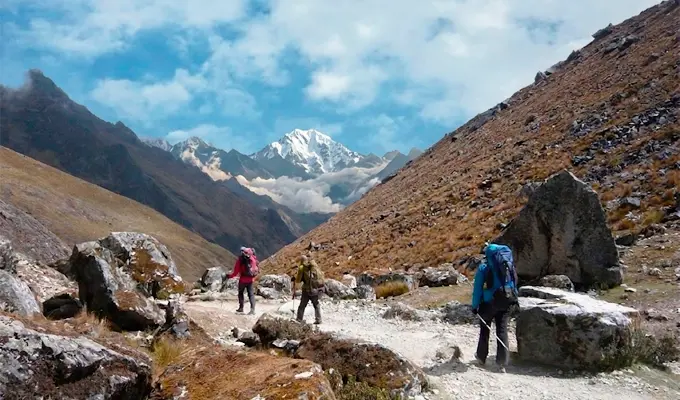
Even if you choose to reach Machu Picchu by train, passing through Aguas Calientes, it’s important to know that exploring the citadel itself still requires a certain level of physical effort.
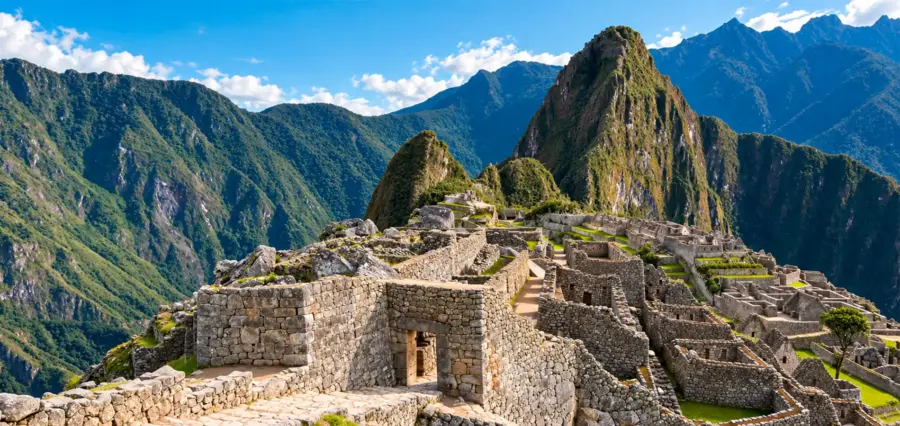
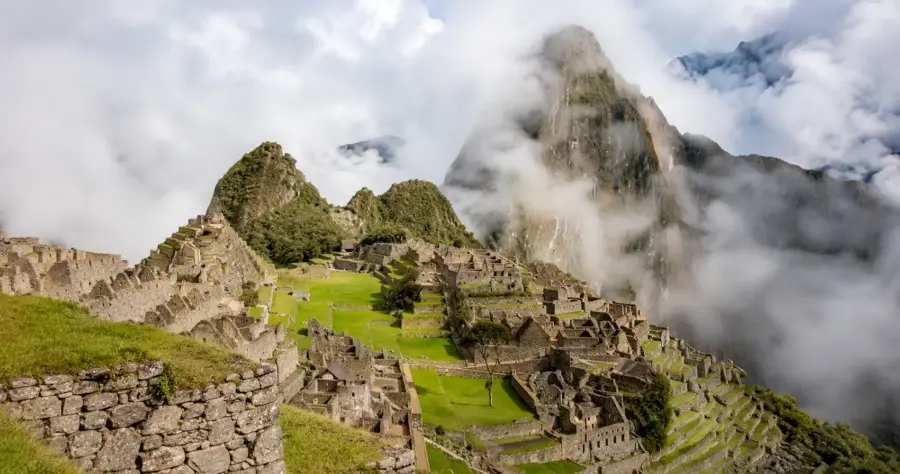
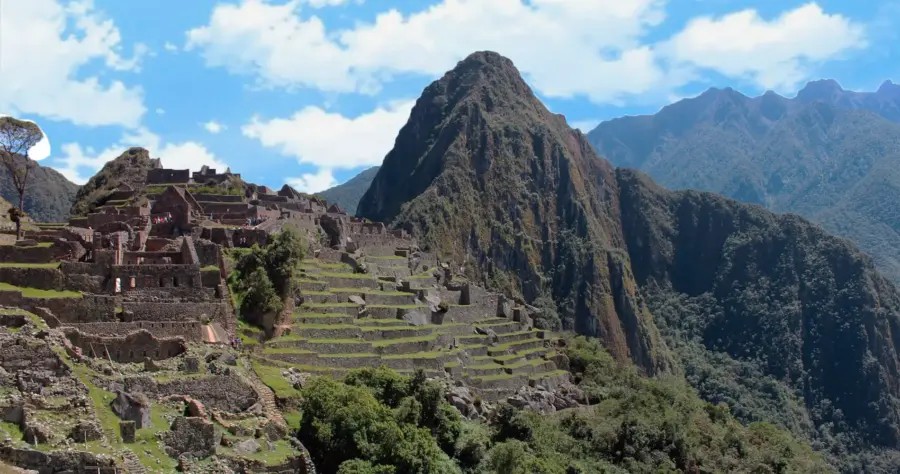
Machu Picchu is built on a mountain ridge, and walking through it involves navigating different circuits filled with stone stairways. It’s not a hike as such, but you will be constantly going up and down, which combined with the sun and the altitude can feel more demanding than it initially seems.
If you also decide to add one of the optional hikes, such as Huayna Picchu or Machu Picchu Mountain, the level of difficulty increases significantly. These routes are known for their steep and narrow sections, with stairways that can feel almost vertical often referred to as the “stairs of death”and require not only good physical condition but also comfort with heights.
Overall, the visit can be as relaxed or as challenging as you choose. The key is to understand the options well and set a pace that suits you, so you can enjoy the experience without any setbacks.
Do I need to be a professional athlete?
Not at all. You don’t need to be an expert or in extraordinary physical condition. What matters is having a basic level of endurance and, above all, listening to your body. People of all ages complete these routes every day. More than muscle strength, what really counts here is cardiovascular endurance and mental attitude. Going at your own pace makes all the difference.
What is the hardest part of the Inca Trail?
No question: the second day. This is the section that truly tests you. During this stage, you’ll climb 1,200 meters to reach the highest point, the famous Dead Woman’s Pass. It can be demanding, but once you get through it, the rest of the trek becomes much more manageable, with mostly downhill sections and landscapes that reward your effort.
How many days should I acclimatize beforehand?
This is not something to rush. Spending at least two days in Cusco or the Sacred Valley before starting the hike is key. This gives your body time to adjust to the altitude, greatly reducing the risk of discomfort and making the entire trek feel more manageable.
Can children or older adults do it?
Yes, as long as they are in good health and have some experience walking on inclined terrain. It’s not uncommon to see children from around 10 years old or adults over 70 completing routes like the Classic Inca Trail. The key isn’t age, but maintaining a steady pace, avoiding rushing, and enjoying every step along the way.
In the end, it’s less about a physical test and more about a personal experience. With preparation, patience, and a positive mindset, it’s an achievable challenge and above all, an unforgettable one.