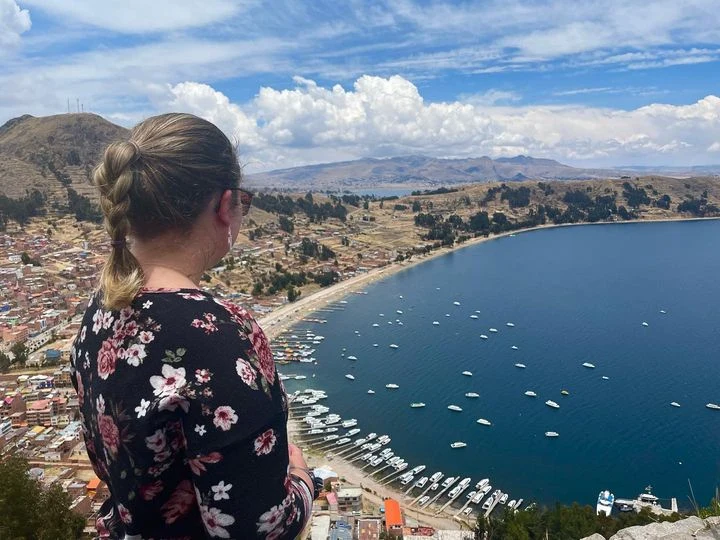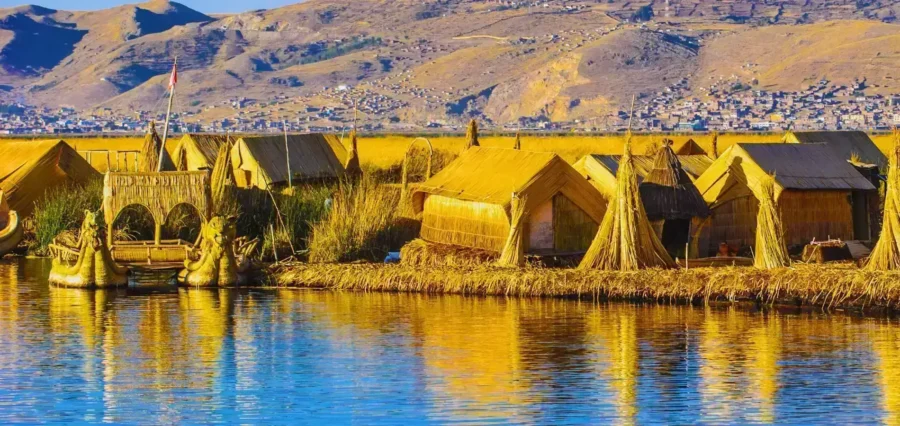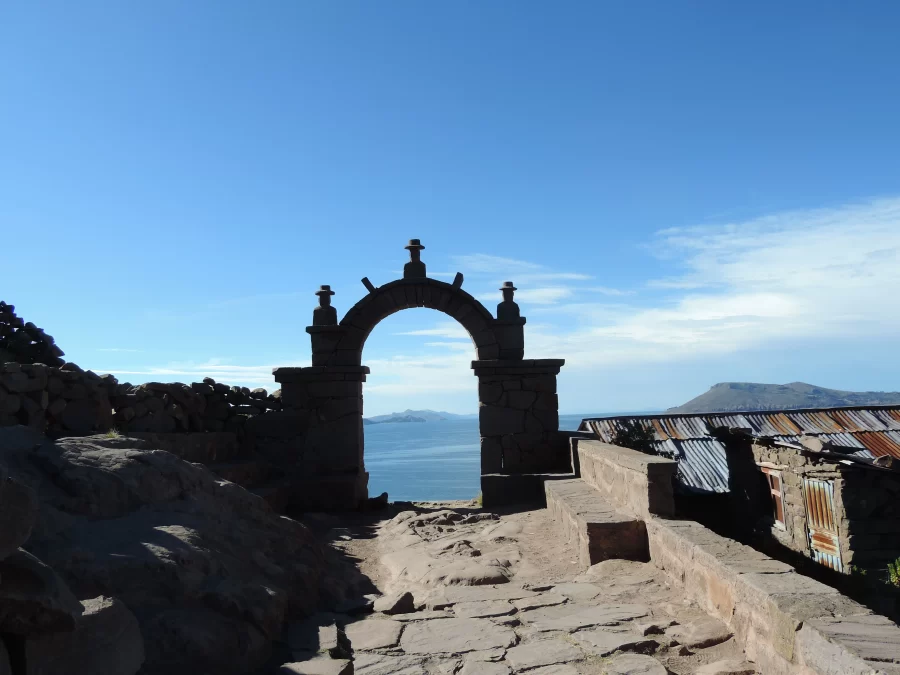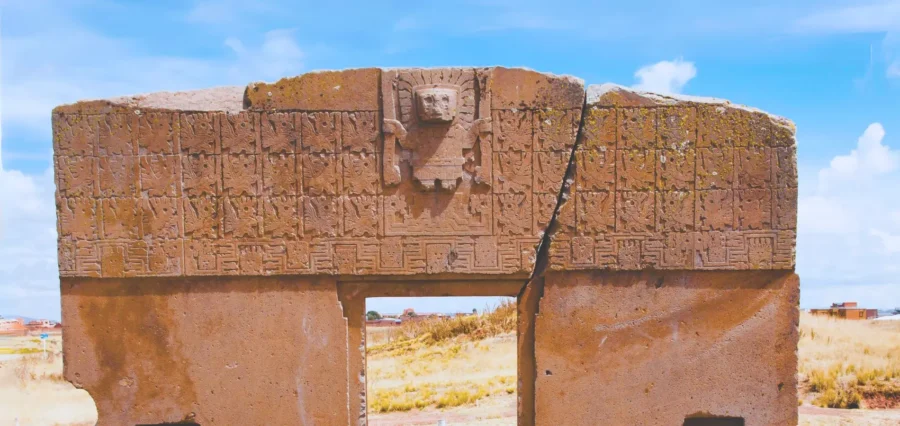

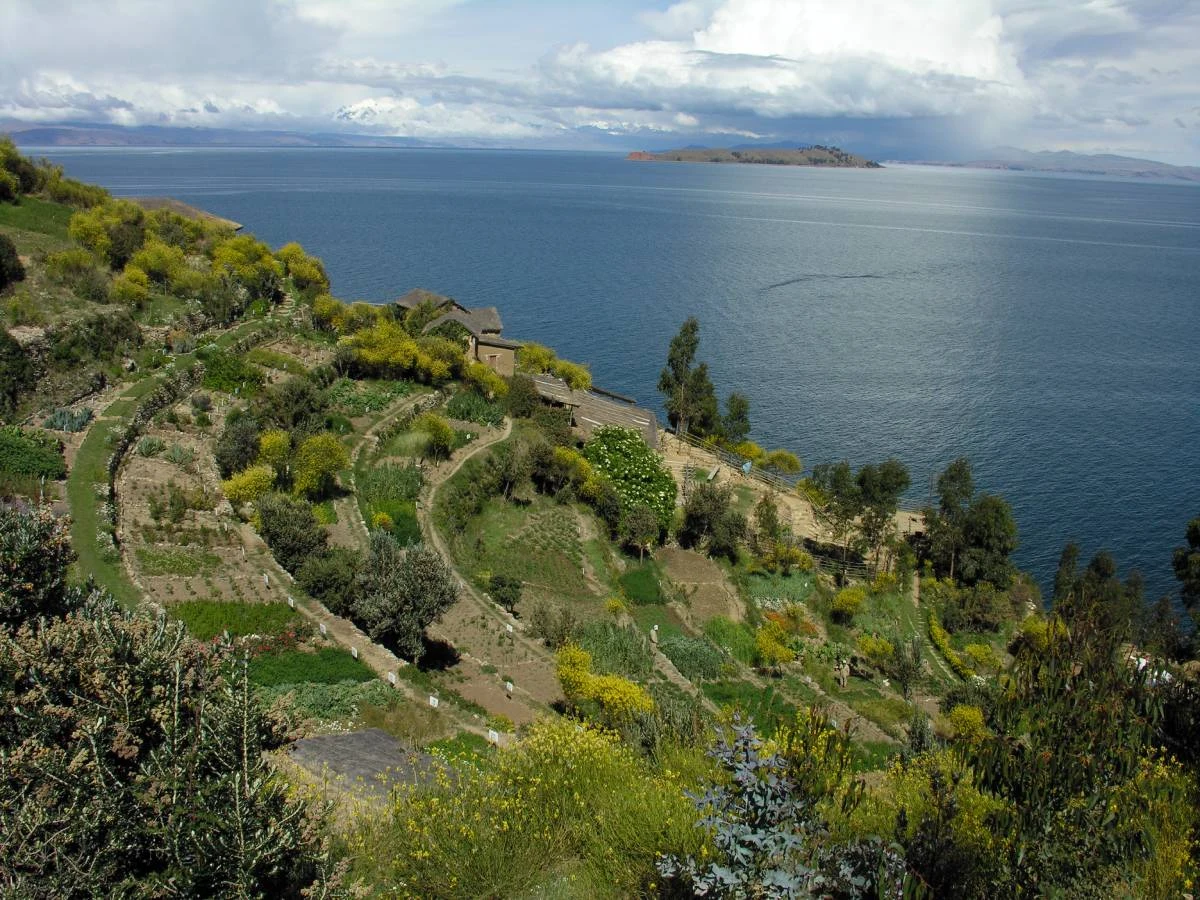
Surrounded by the high peaks of the Andes and shared by Peru and Bolivia, Lake Titicaca has fascinated travelers, historians, and local communities for centuries. Known as the highest navigable lake in the world, this sacred body of water is deeply connected to Andean mythology, Inca traditions, and ancient indigenous beliefs that continue to shape life around its shores today.
The name Titicaca has long been associated with mystery and symbolism. According to interpretations from the Quechua and Aymara languages, the word may refer to a “stone puma,” “rock of the puma,” or “gray mountain.” Many local legends even suggest that the shape of the lake resembles a puma hunting a rabbit, giving the name a powerful spiritual meaning in Andean culture.
Beyond its breathtaking landscapes, Lake Titicaca is also the setting of ancient legends about the origin of the lake and the sacred connection between humans, nature, and the gods of the Andes. In this guide, you’ll discover the meaning of the name Lake Titicaca, its cultural origins, and the fascinating legend behind one of South America’s most iconic destinations.
The name Lake Titicaca derives from two etymological words: one in Quechua "Titi” which means cat or puma and "kaka” from Aymara means gray or in the Quechua language translates to mountain or rock.
So what is the meaning of the name Lake Titicaca? This can be translated to “mountain of the puma”, "grey stone” or “stone puma”, and many locals even indicate that the lake itself takes on a puma-like shape.
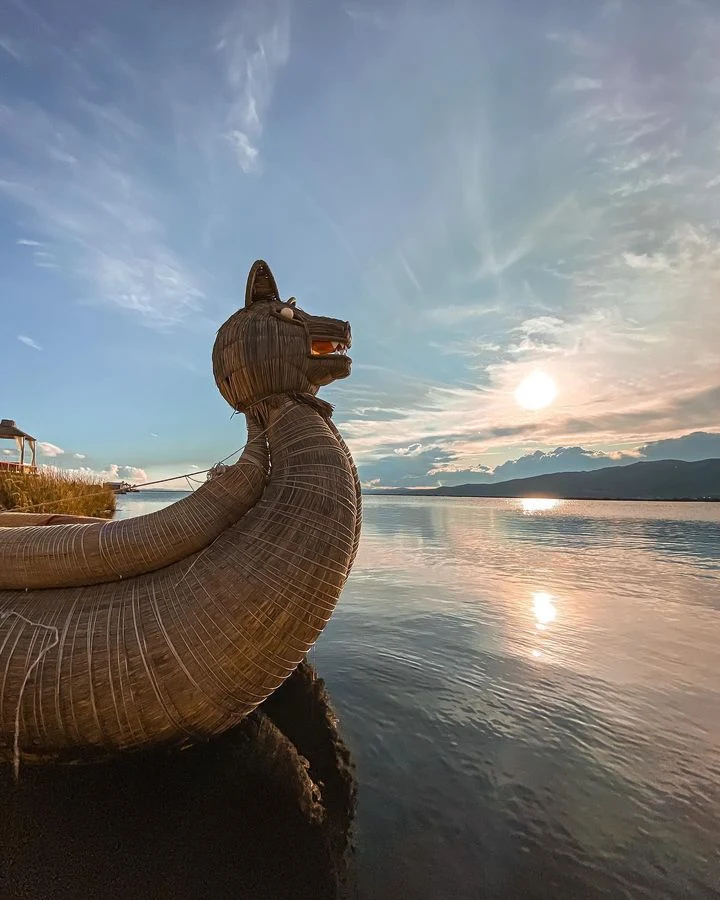
In addition, it is believed that these felines inhabited the shores of Lake Titicaca in the beginning and may also have some truth, as the villagers decorate with the face of puma on the front of his boat.
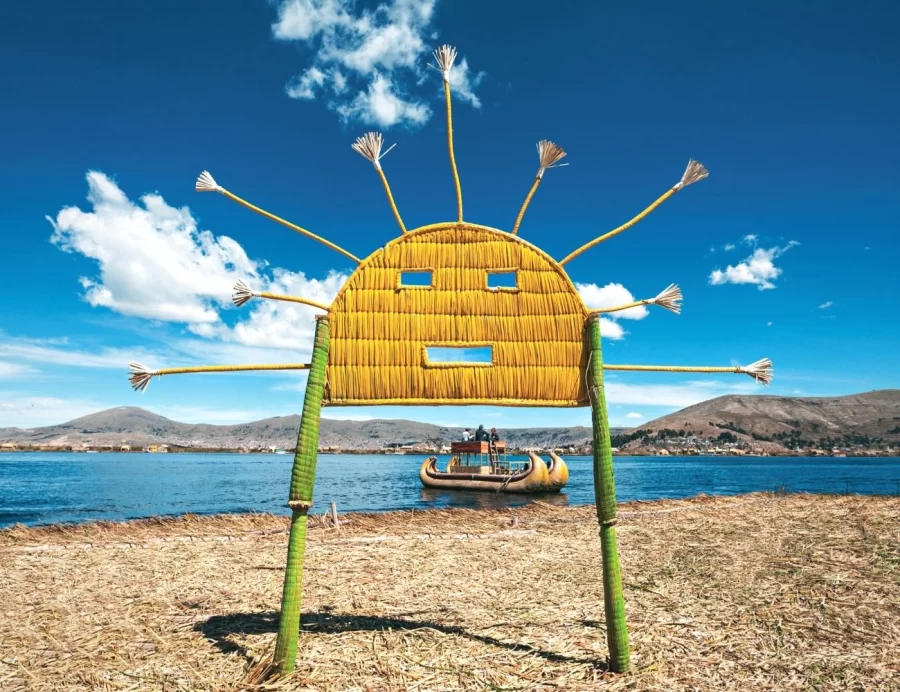
According to the legend, before it became a lake, this was a fertile valley where its inhabitants were very happy, they lacked nothing and had a life without suffering; the Apus or gods of the mountains protected them from any negative feelings such as hatred or ambition.
The settlers had practically the freedom to live well and without limits, but there was one thing they should not do, for any reason they should not climb to the top of the mountains, because there was the Sacred Fire.
This rule was respected for many years by the inhabitants, but the wickedness of the evil spirit, the devil, who was condemned to live in the shadows and not happy with the happiness of the inhabitants, tempted the inhabitants several times to climb this mountain and once he achieved his goal, he managed to divide the population.
When the men heard the words of this evil spirit, they decided to go up and halfway they were discovered by the Apus and in response to their disobedience the gods decided to kill them, sending several pumas that came out of the caves and devastated all the inhabitants despite the pleas they made, all ended up exterminated.
All this was contemplated by the Sun God (Inti) who began to cry, it was so much pain and crying that he poured and flooded the valley for 40 days, thus forming Lake Titicaca. In all this, only a man and a woman were saved.
According to this legend, when the two survivors opened their eyes, they were surprised to find themselves in the middle of a huge lake with stone statues of the pumas that had drowned.
This legend gives it the name that today we know it as Lake Titicaca or Lake of the stone pumas. Like this, both Puno and Bolivia have many stories that draw the attention of everyone, if you want to know more about them, plan your visit with Tierra de los Andes, who are responsible for making your itinerary and give you a good service.