
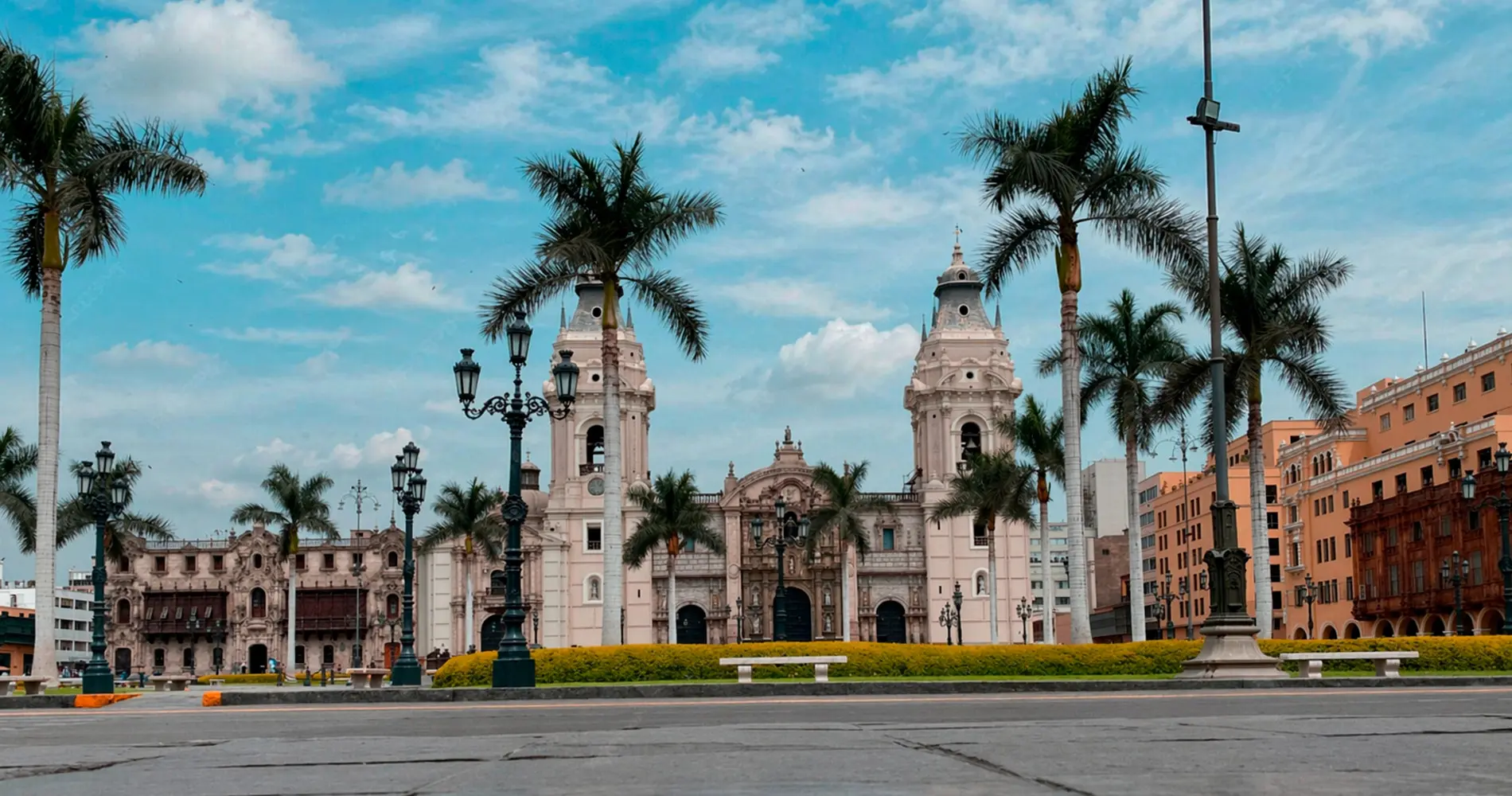
If you’ve ever wondered, “What country is Lima the capital of?”, the answer is simple: Peru. But the story goes far beyond that. As the largest city in the country, Lima is the main gateway for travelers arriving in South America, yet it quickly proves to be much more than just a stopover.Located along the Pacific coast, this city blends contrasts in a way that feels natural rather than forced. You’ll find modern buildings next to colonial churches, and just a few blocks away, ancient pre-Inca structures that hold centuries of history. There’s something about Lima’s atmosphere, the mix of ocean breeze, urban energy, and deep historical roots that makes it feel alive from the moment you arrive.
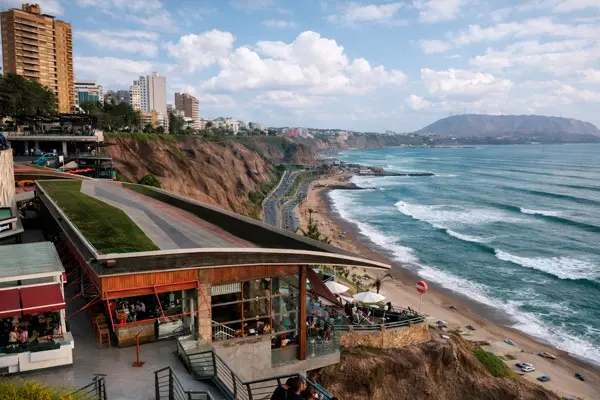
One of the areas that draws most travelers is Miraflores, and it’s easy to see why. It’s safe, vibrant, and offers some of the best views of the Pacific Ocean. Walking through its streets feels relaxed yet full of life, with cafés, parks, and ocean viewpoints always just around the corner.
A standout spot is Larcomar, a shopping and dining complex built into the cliffs. It’s not just about shopping it’s about sitting back and taking in the ocean, especially at sunset, when the light transforms the coastline into something unforgettable.
Just below, the Costa Verde stretches along the shoreline, offering a completely different pace. Whether you’re walking, biking, or watching surfers ride the waves, it’s a place that naturally invites you to slow down. And if you’re feeling adventurous, paragliding over the cliffs gives you a truly unique perspective of the city.Not far from there, Kennedy Park adds a more local and unexpected touch. Known as the “Cat Park”, it’s home to dozens of well-cared-for cats that roam freely through the gardens. It may sound unusual, but it’s one of those small details that makes Lima feel personal and unforgettable.
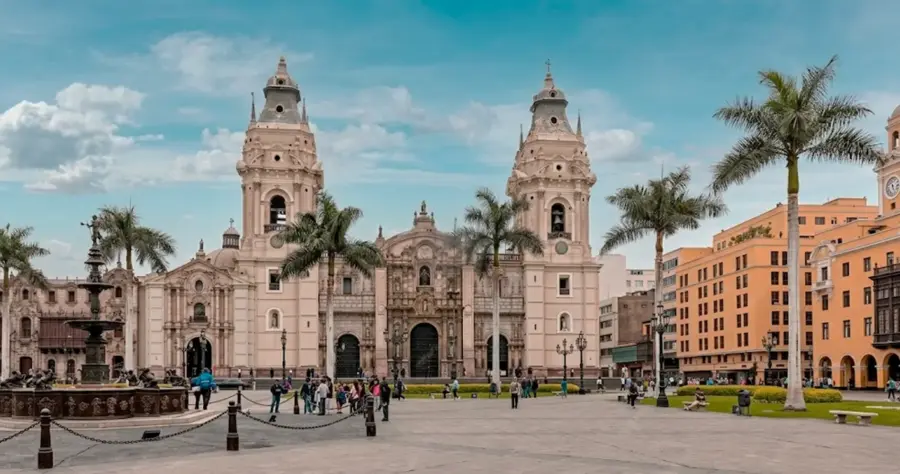
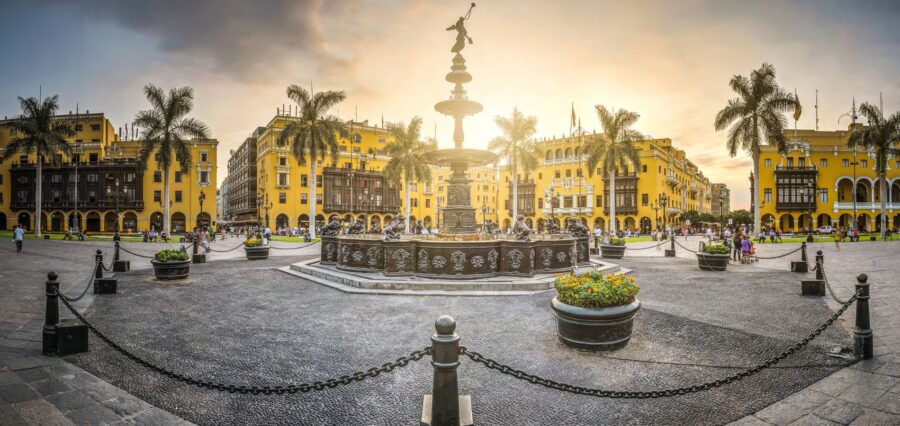
To truly understand Lima, you need to spend time in its Historic Center. This area tells the story of the city’s colonial past in a way that you can actually feel as you walk through its streets.
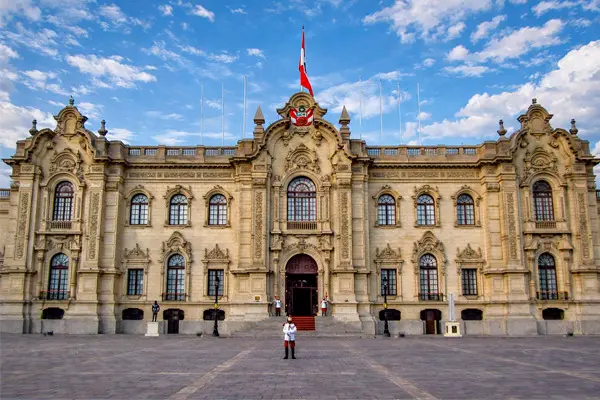
At the heart of it all lies the Plaza Mayor, where the Government Palace stands as a key political and historical landmark. If you time your visit well, you can witness the Changing of the Guard, a simple yet captivating ceremony that draws both locals and visitors.As you explore the surrounding streets, it’s the details that stand out: intricately carved wooden balconies, grand facades, and centuries-old churches that have withstood countless earthquakes. There’s a certain calm in this part of the city, where every corner reflects Lima’s transition from a Spanish viceroyalty to a modern capital.
One of the things that truly defines Lima is its world-renowned gastronomy. Often considered the gastronomic capital of the world, the city offers much more than just food it’s about discovering flavors that reflect the country’s diversity.
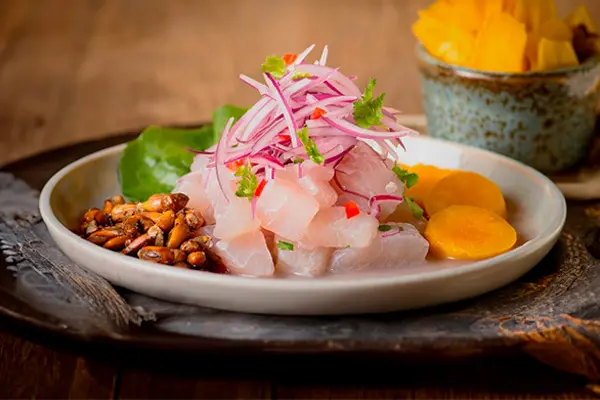
No visit is complete without trying ceviche, Peru’s national dish. Fresh fish, citrus, and a handful of simple ingredients come together to create something refreshing and deeply rooted in tradition. On the other hand, dishes like seafood chaufa highlight the Chinese-Peruvian fusion, adding another layer to the city’s culinary identity.For a more authentic and memorable experience, many travelers choose to dine at La Rosa Náutica, a restaurant set on a pier over the ocean. It’s not just about the food—it’s about sitting above the waves with the sound of the sea all around you, which makes it truly special. Whether you prefer fine dining or local markets, Lima offers something for every traveler who appreciates great food.
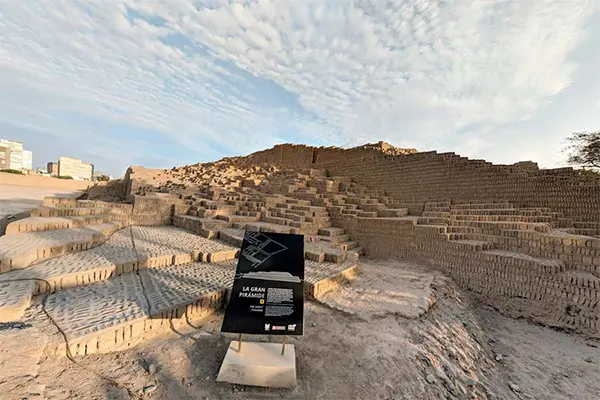
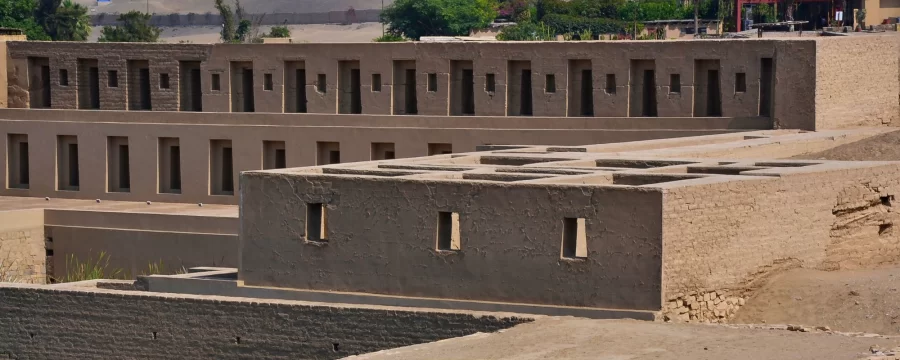
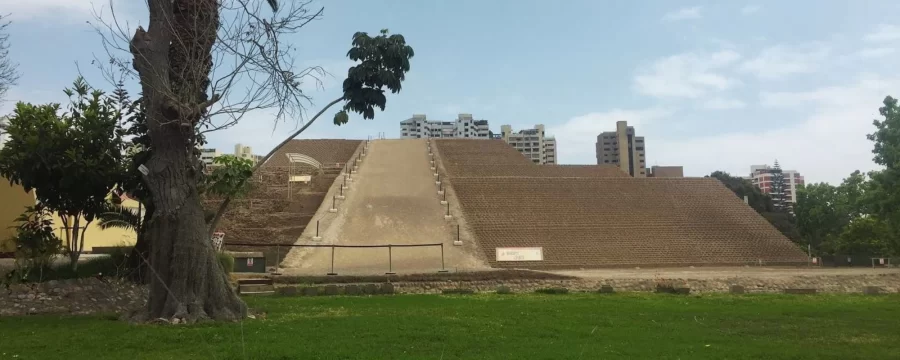
What truly sets Lima apart is the seamless coexistence of past and present. Right in the middle of modern neighborhoods, you’ll find huacas ancient adobe pyramids that have stood for over a thousand years.
One of the most striking is Huaca Pucllana, located in Miraflores. Built around 500 AD, it feels almost surreal to see such an impressive archaeological site surrounded by contemporary buildings. It’s a powerful reminder that Lima’s history didn’t begin with the Spanish it goes back much further.
Another, lesser-known site, Huaca Santa Cruz, offers a quieter yet equally meaningful glimpse into pre-Inca life along the coast. Visiting these places gives you a completely different perspective of the city. You’re not just exploring modern Lima you’re uncovering layers of history that still endure today.In the end, Lima is not just a starting point for a trip through Peru. It’s a destination in its own right, where modern, colonial, and ancient worlds come together in a way that feels both authentic and unexpectedly fascinating.