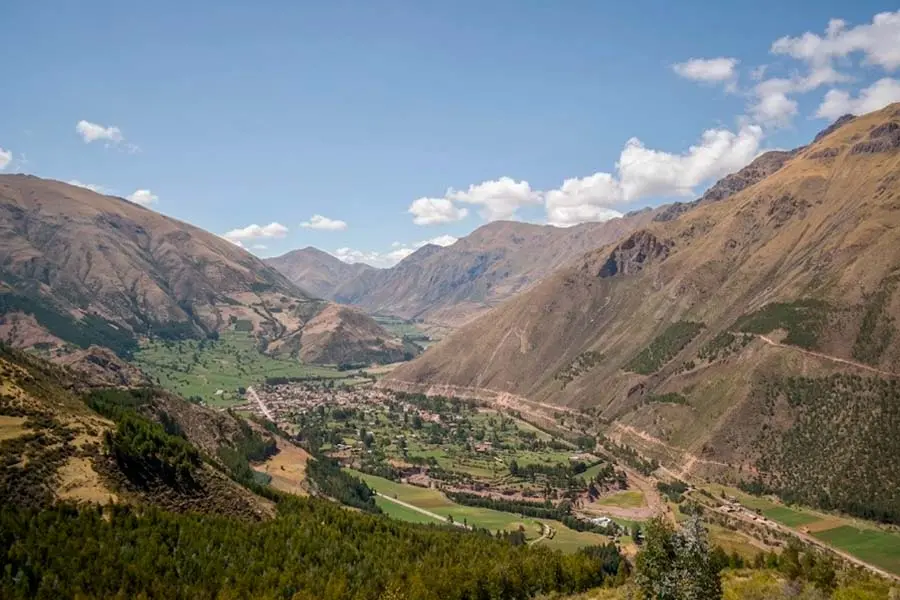

Understanding how to move through the Sacred Valley of Peru is key to having a truly authentic experience. This is not a place to explore randomly it follows a natural flow shaped by geography, altitude, and centuries of Inca planning. Most well-designed routes follow a circular path that connects the highlands of Cusco with the fertile lands along the Urubamba River.The journey usually begins above Cusco and gradually descends into the valley, passing through a series of archaeological sites before looping back. This route is not only efficient it allows you to feel the transition in climate, landscape, and altitude as you move through the region. It’s precisely this transformation that made the valley so important for agriculture and human settlement during Inca times.
The first stop along this route is often Chinchero, a small Andean village nestled high in the mountains. At over 3,700 meters above sea level, the air feels thinner, the light more intense, and the views more expansive.
Chinchero stands out not only for its impressive agricultural terraces, but also for its rich historical significance. A colonial church built directly on top of an Inca palace tells a subtle story of cultural layering that still defines much of modern Peru.
Beyond the ruins, what truly makes this place special is its living culture. Local communities continue to practice traditional weaving techniques, using natural dyes from plants and minerals to create vibrant alpaca wool textiles.
Arriving early in the morning has its rewards the surrounding peaks of the Vilcabamba mountain range often appear clear and dramatic, creating one of the most photogenic moments of the entire journey
As the route continues, the landscape begins to shift, leading you to two of the most fascinating sites in the Sacred Valley: Moray and the Maras Salt Mines.
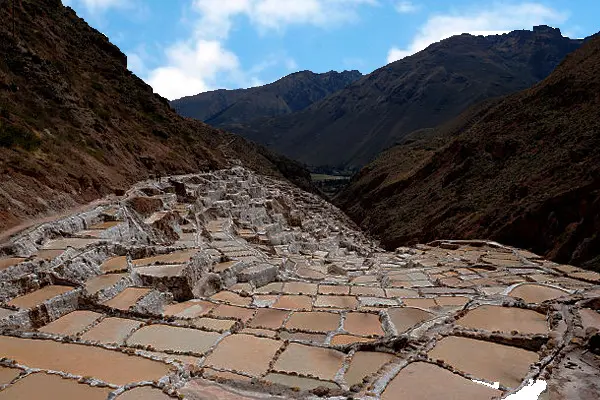
At first glance, Moray looks like a series of giant natural craters, but its purpose was far from accidental. These circular terraces functioned as an agricultural experimentation center, where the Incas tested crops in different microclimates. As you walk through the site, you can actually feel the temperature change as you descend a detail that continues to surprise many visitors.Not far from there, the scenery transforms completely at the Maras Salt Mines. Thousands of small salt pools cascade down the mountainside, forming a striking pattern of white and earth tones. What makes this site even more remarkable is that it has been continuously used since pre-Inca times. Even today, local families maintain and harvest the salt, preserving a tradition that has lasted for generations.
After descending into the valley and stopping in Urubamba, the journey continues to Ollantaytambo, one of the most important and impressive sites in the region.
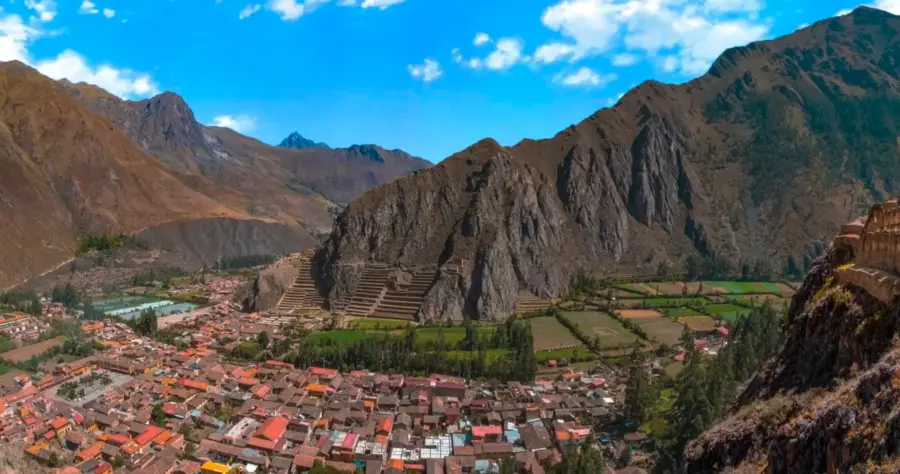
Known as the “Living Inca Town”, this place stands apart from others. Its original layout stone streets, water channels, and ancient walls is still in daily use, offering the unique feeling of walking through a place that has never truly changed.
Towering above the town is the imposing archaeological complex, with steep terraces and fortress like structures that played a key role during the Spanish conquest. Its sheer scale is impressive, but what truly makes Ollantaytambo unforgettable is the blend of history and everyday life.
It also serves as a main gateway to Machu Picchu, as most trains to the citadel depart from here.
The final stretch of the route leads to Pisaq, on the eastern side of the valley. Here begins the return journey to Cusco, but not without one last unforgettable experience.
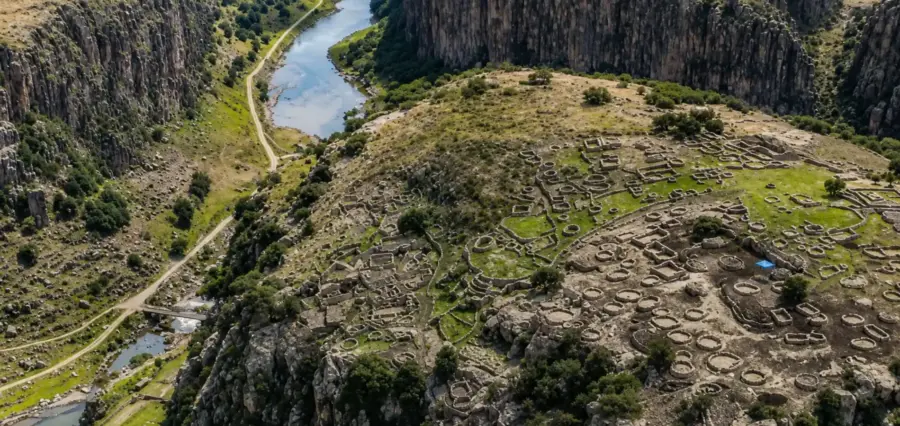
High above the town, the Pisaq ruins stretch across the mountainside, showcasing an intricate system of terraces, defensive structures, and one of the largest Inca cemeteries ever discovered. Their dramatic location overlooking the valley makes them one of the most breathtaking sites in the region.
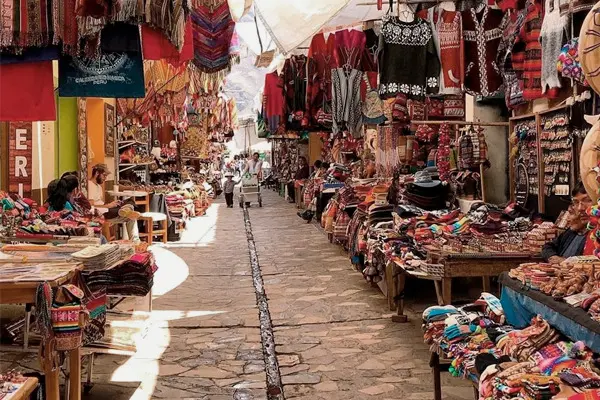
Back in the town, the atmosphere shifts once again. The Pisaq artisan market is full of color, movement, and local craftsmanship. It’s the perfect place to slow down, explore, and connect with the culture of the valley, whether through textiles, ceramics, or handmade jewelry.From here, the road returns to Cusco, completing the circuit. In the end, what you experience is not just a series of stops, but a complete journey through the Sacred Valley, where landscapes, history, and living culture come together in a way that feels natural and deeply connected.