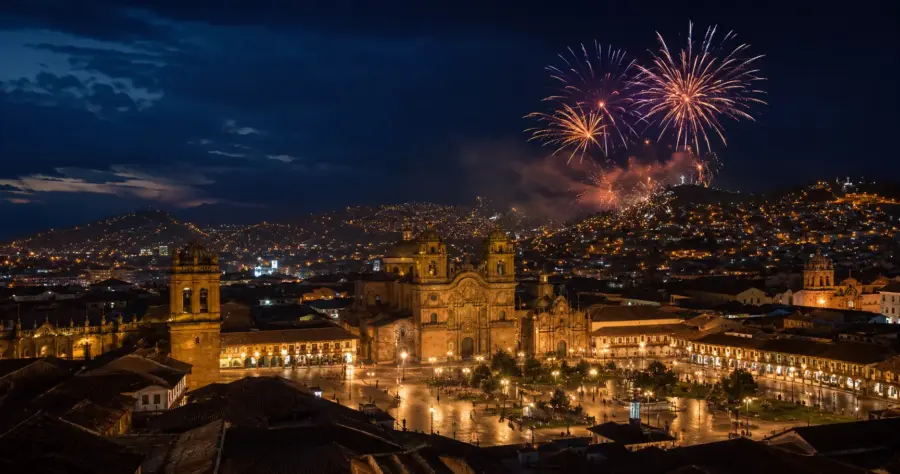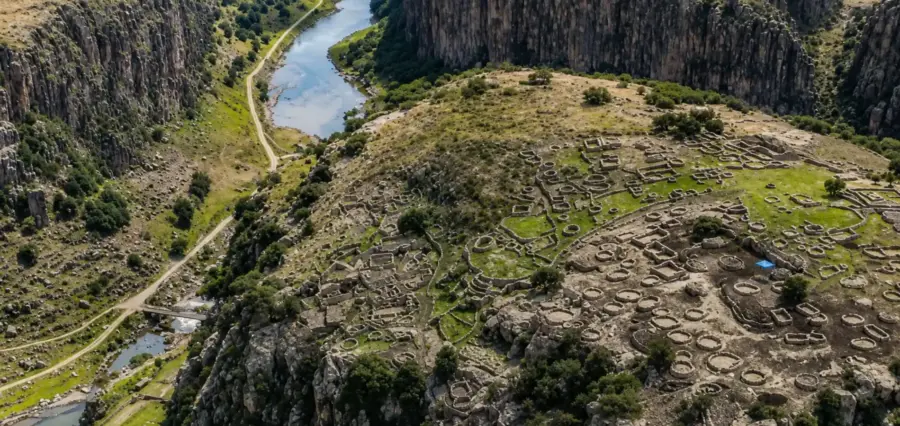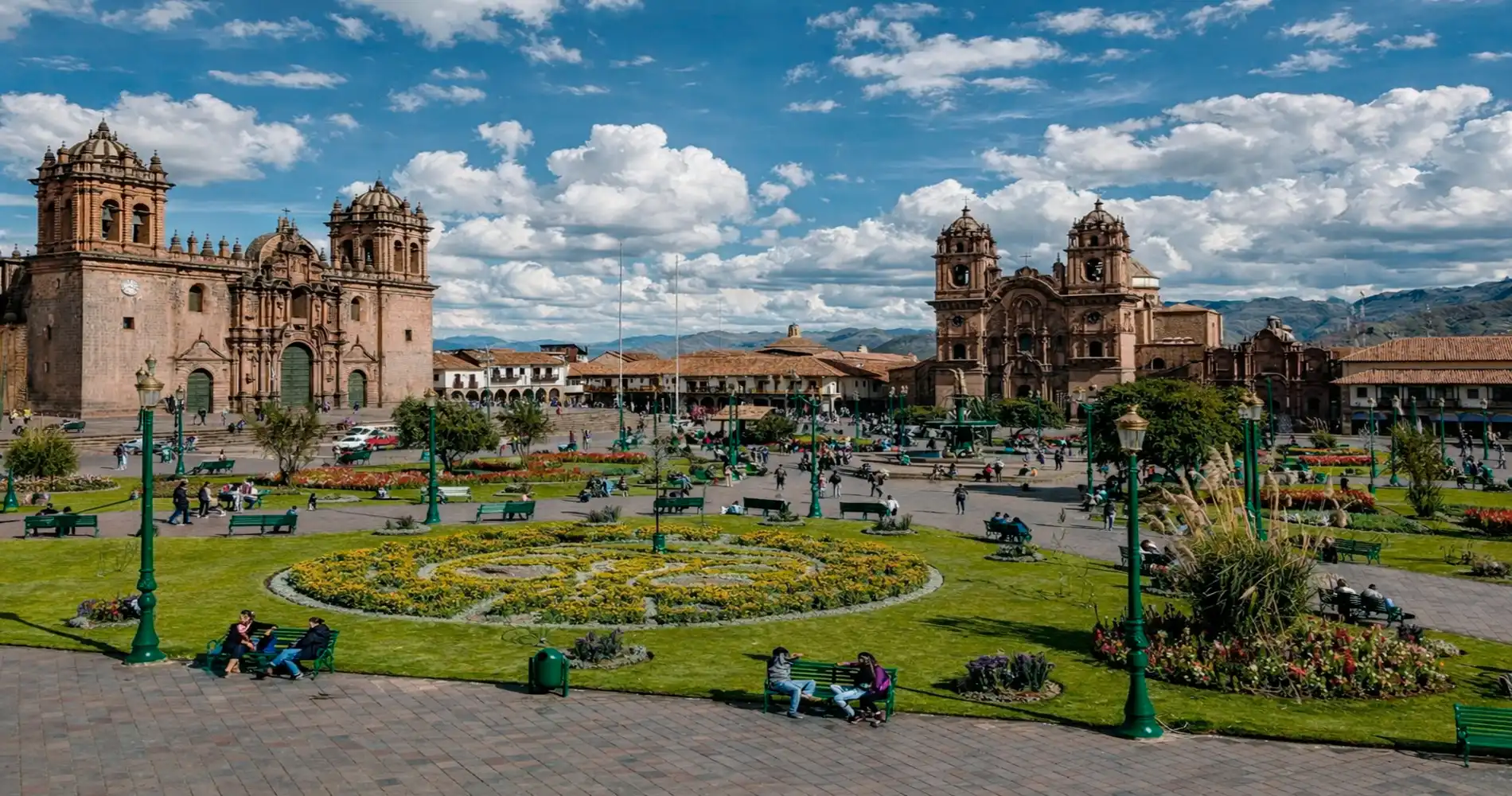

The historic city of Cusco was the capital of the Inca Empire, known in Quechua as the “Navel of the World”. Located high in the Andes at over 3,400 meters above sea level, Cusco was far more than a political center, it was the heart of an entire civilization. From here, the Incas governed, worshipped, and organized a vast territory known as the Tahuantinsuyo.
But beyond its administrative role, Cusco held a deeper spiritual meaning. The Incas believed this was the point where the physical and spiritual worlds connected. According to their origin story, the first rulers, Manco Cápac and Mama Ocllo, were sent by the Sun God to find the place where a golden staff would sink into the earth. When it did, they knew they had found the center of their world, and that place became Cusco.
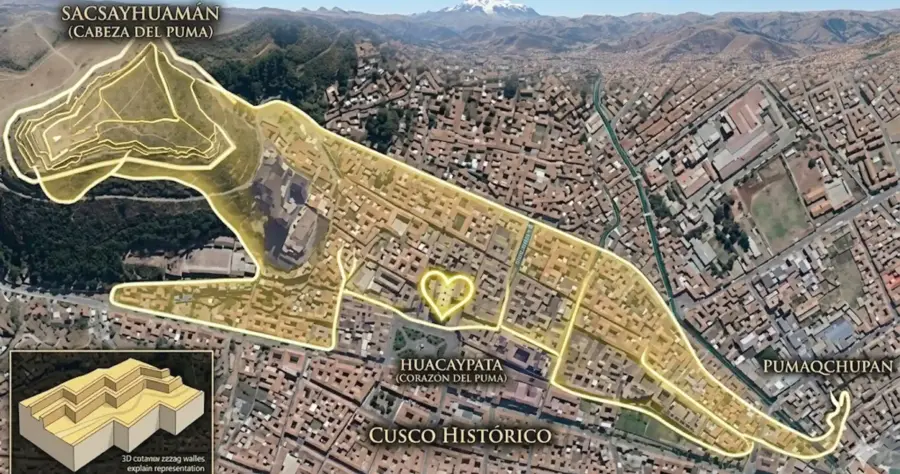
One of the most fascinating aspects of Inca Cusco is its intentional design. The city was not built randomly it was carefully planned in the shape of a puma, a sacred animal symbolizing strength and life in the Andean worldview.
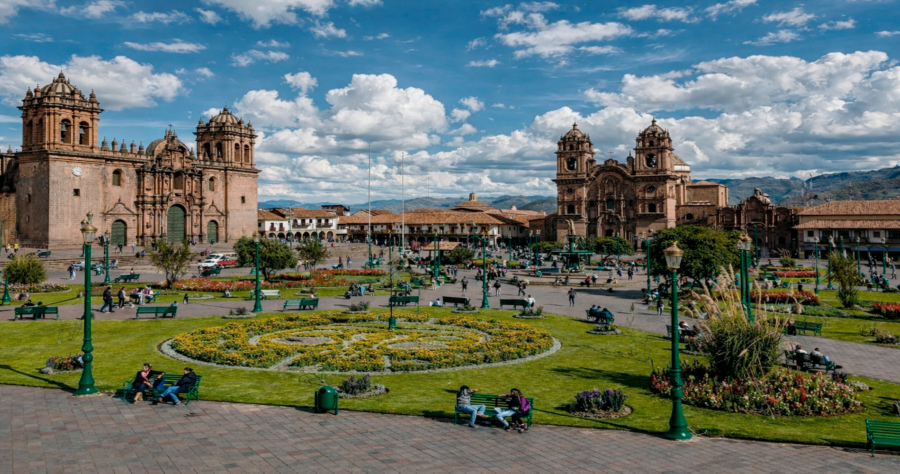
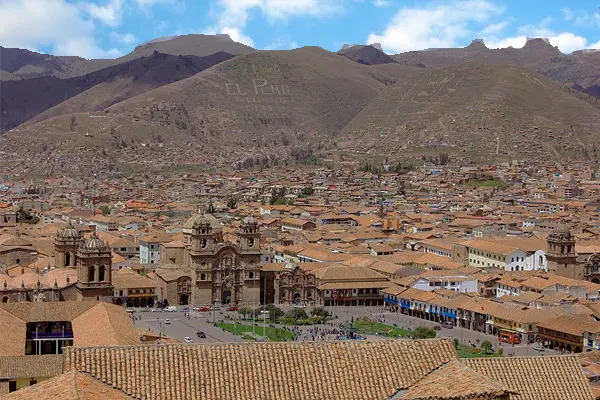
The head of this symbolic puma was the impressive fortress of Sacsayhuamán, which still overlooks the city today. The body extended through what are now the historic neighborhoods, following the natural flow of the rivers, while the heart was located in the main square, once known as Huacaypata.Even today, that same space now the Plaza de Armas remains the center of life in Cusco. Understanding this layout transforms the way you see the city. It’s not just a place with history, but a living design shaped by meaning, symbolism, and a deep connection to nature.
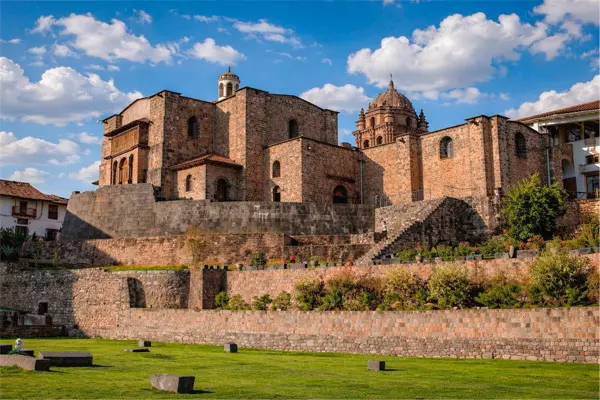
At the height of the empire, the spiritual center of Cusco was the Qorikancha, also known as the Temple of the Sun. This was the most sacred site in the entire empire, dedicated to Inti, the Sun God.
Its walls were once covered in sheets of gold that reflected sunlight with such intensity that it must have been dazzling. The precision of its construction still amazes today: massive stones were perfectly carved and fitted together without the need for mortar.When the Spanish arrived, they immediately recognized its importance. Instead of completely destroying it, they built the Convent of Santo Domingo directly on top of its foundations. What remains today is a striking fusion of two worlds: Inca engineering below and colonial architecture above, coexisting in the same space.
Cusco was not just a capital it was the starting point of a vast network that connected the entire empire. From here began the Qhapaq Ñan, an extraordinary road system that stretched for thousands of kilometers across mountains, valleys, and deserts.
From the heart of the city, four main routes extended outward, each leading to a different region of the empire: Chinchaysuyo (north), Collasuyo (south), Antisuyo (east), and Contisuyo (west). This structure allowed the Incas to maintain control over a territory, efficiently moving people, goods, and information across great distances.
Today, it’s easy to overlook, but this level of organization without modern technology was one of the key reasons why Cusco became the most powerful city in South America for centuries.
The arrival of the Spanish in the 16th century changed everything. The identity of the Inca capital began to transform as the conquerors dismantled temples and palaces, reusing the same stones to build churches, mansions, and government buildings.
Yet what makes Cusco truly unique is that its past was never completely erased. Instead, it remains visible and embedded within the city itself. The perfectly carved Inca stones still form the foundations of many colonial structures, creating a kind of living timeline where two eras coexist.Walking through Cusco today, you don’t just see history you feel it. Every street, wall, and corner holds a story that connects the ancient empire with the present. It’s this blend of resilience and continuity that makes Cusco not just a former capital, but a place where history is still very much alive.