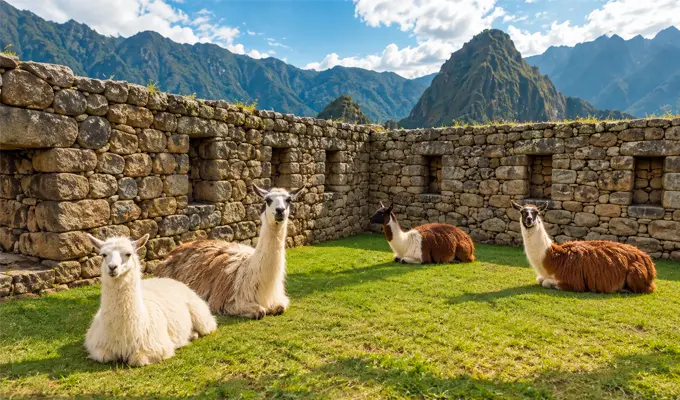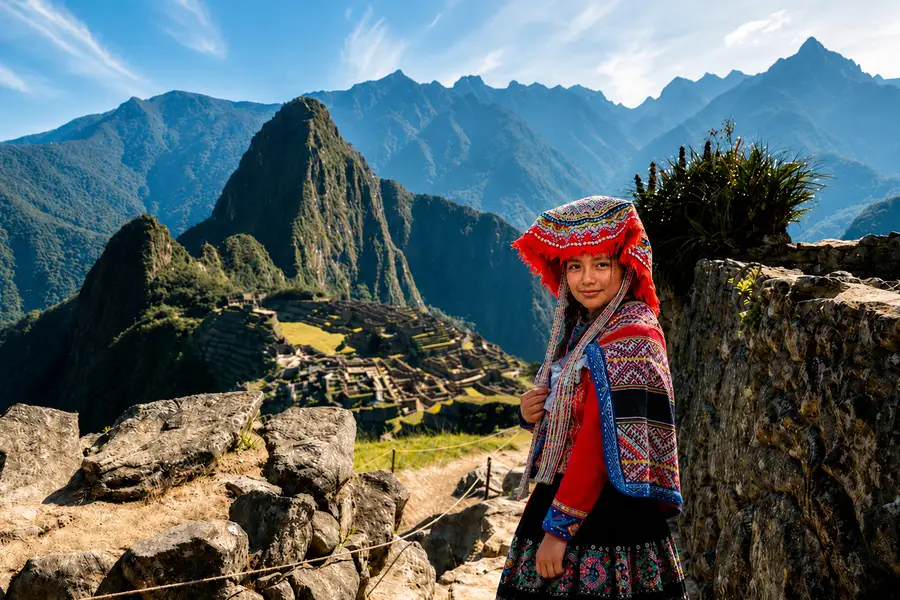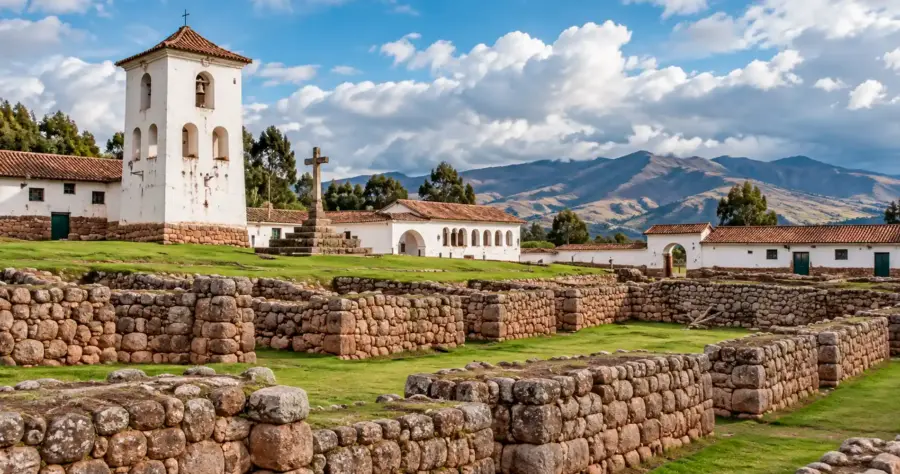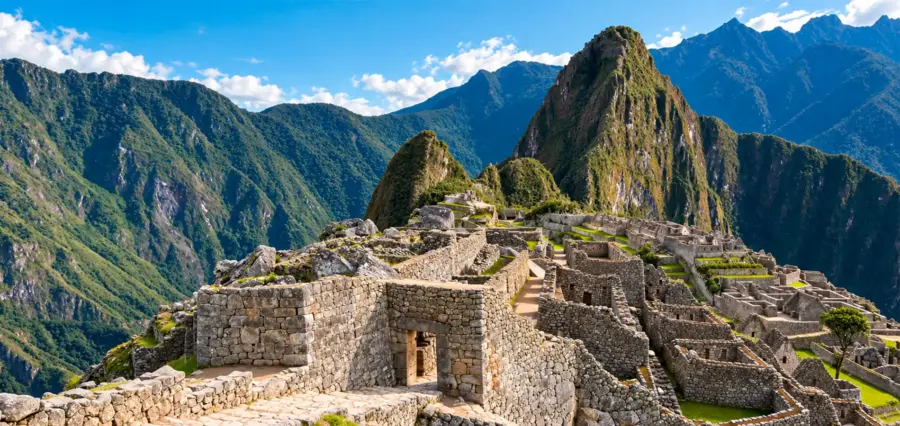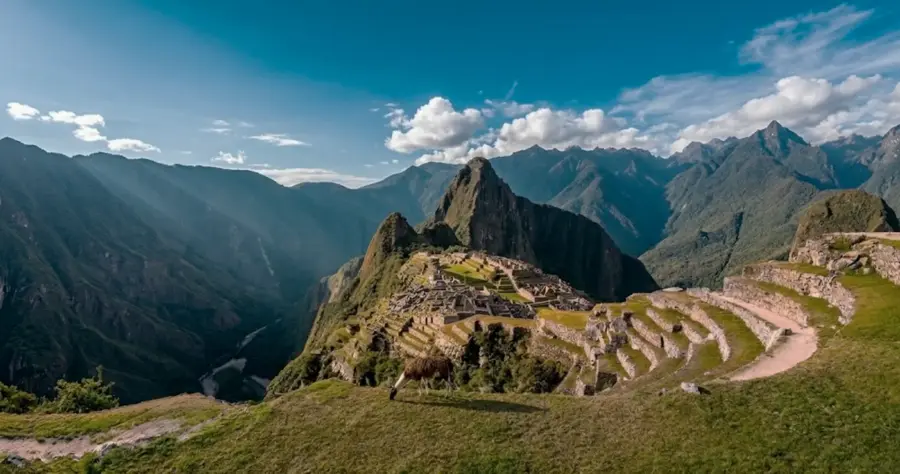

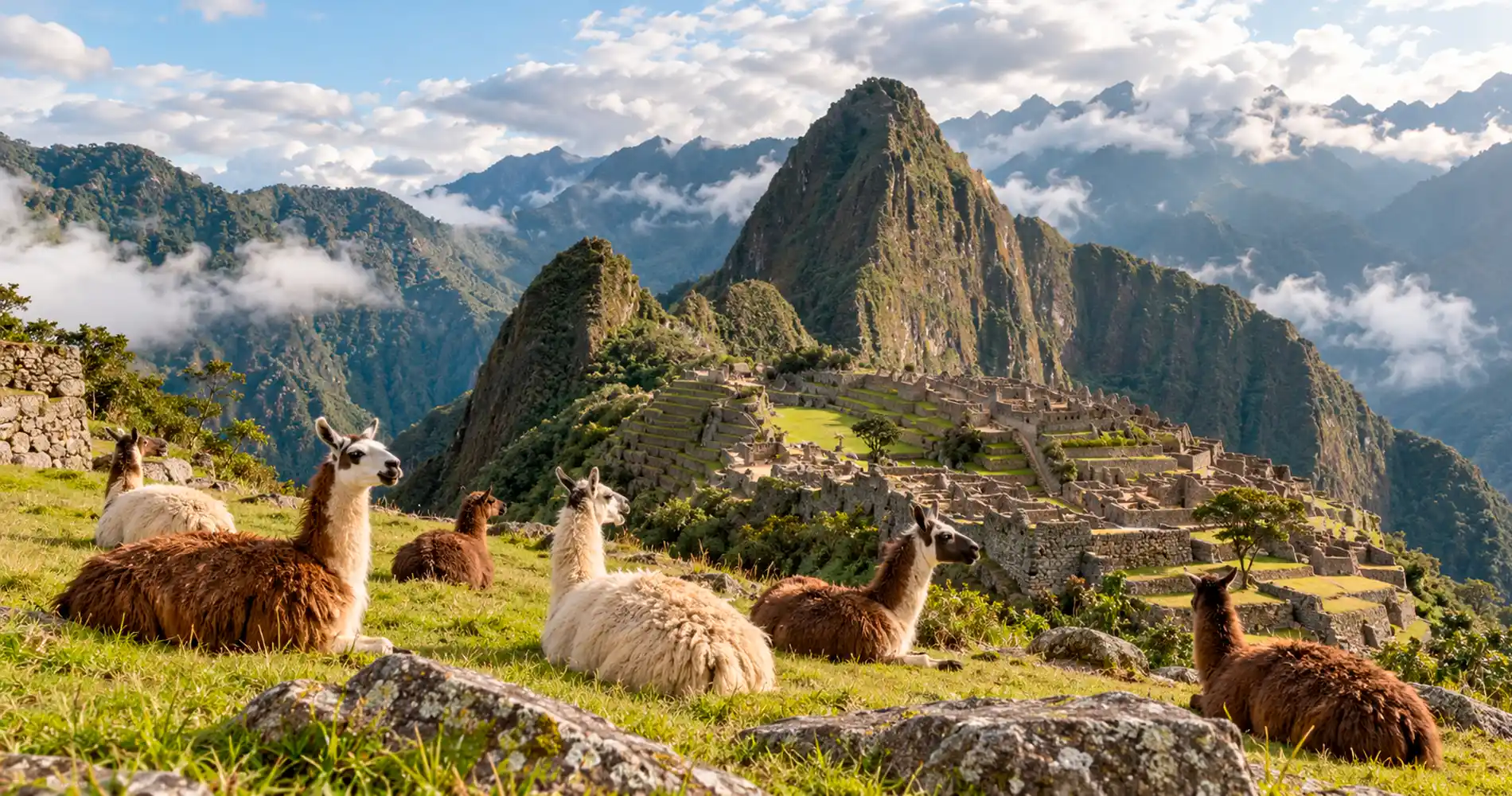
Yes, you can see llamas at Machu Picchu. These domesticated camelids usually move around the terraces and other open areas of the archaeological complex, so you may encounter them during your visit, although their presence in a specific location is not guaranteed.
Llamas have a long-standing relationship with Andean societies. During the Inca period, they were important as pack animals and also provided fiber and other resources. Seeing them today at Machu Picchu adds a distinctive element to the cultural landscape, but it is advisable to observe them from a distance, not feed them, and avoid interfering with their movements.
| Aspect | Key information |
| Can you see them? | Yes, they are commonly found on the terraces and in open areas. |
| Where can you see them? | On the terraces and in other open areas; their location may vary during the tour. |
| Are they wild animals? | No. They are domesticated South American camelids. |
| Cultural importance | They played an important role in transportation, the economy, and various practices of Andean societies. |
| Llama vs. alpaca | The llama is larger and more robust; the alpaca is especially valued for its fiber. |
| How should you interact with them? | It is advisable to observe them from a distance, not feed them, and avoid interfering with their movements. |
| During the visit | Their presence may vary and is not guaranteed in a specific area. |
Yes, it is currently possible to find llamas inside Machu Picchu, especially on the terraces and in other open areas of the archaeological complex. Since the animals move freely between different areas, it is not possible to guarantee that they will remain in a specific location throughout your visit.
During the tour, you may see them grazing, resting, or moving between the terraces, but sightings depend on the time and the area included in your route. It is advisable to observe them without getting too close, without feeding them, and without blocking their path, so that you can enjoy their presence without altering their behavior.
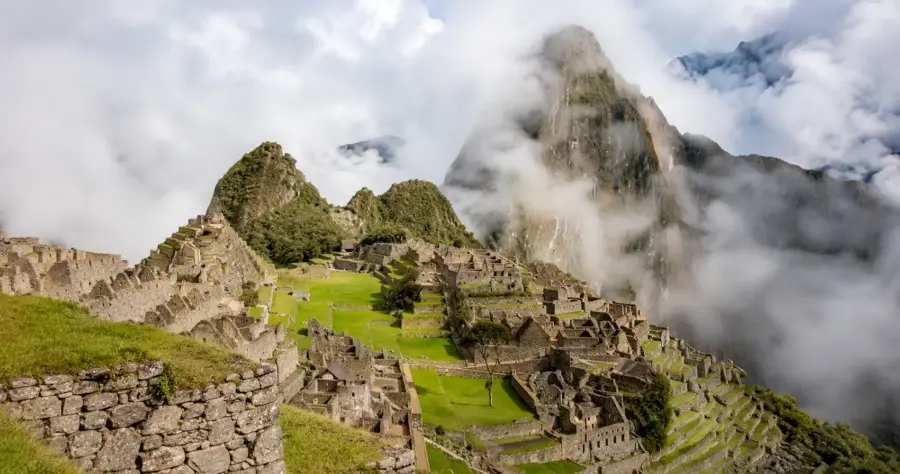
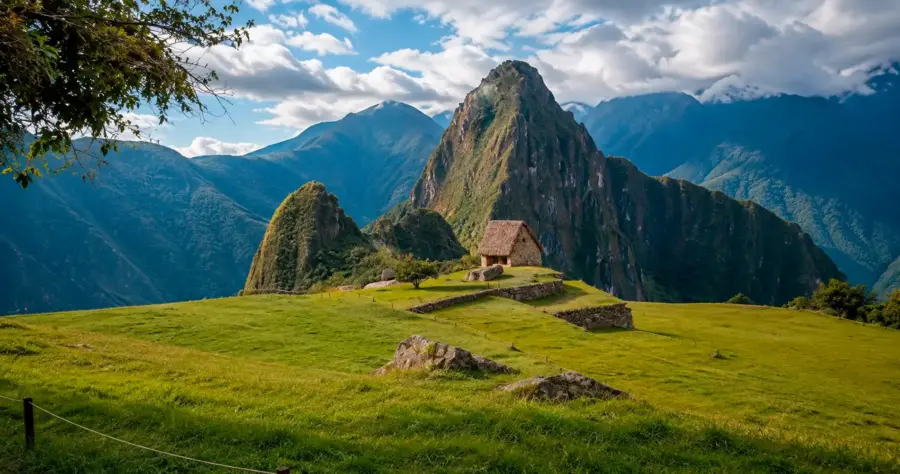
Llamas are commonly seen on agricultural terraces, open areas, and panoramic sections of Machu Picchu. They may also appear in areas near the Guardian’s Hut, although their presence depends on the time and the route authorized for each visitor.
Since they move between different areas, it is advisable to pay attention during the tour without leaving the permitted route or trying to approach them. If they appear during your visit, the best option is to observe them from a distance and enjoy the moment without interfering with their movements. If you still do not know which route is included with your ticket, check the Machu Picchu circuits and routes before planning your visit.
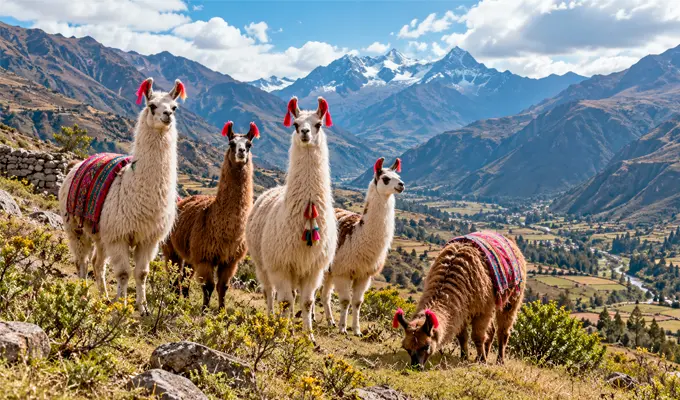
No. The llamas found at Machu Picchu are domesticated South American camelids, so they are not part of the wildlife of the Historic Sanctuary.
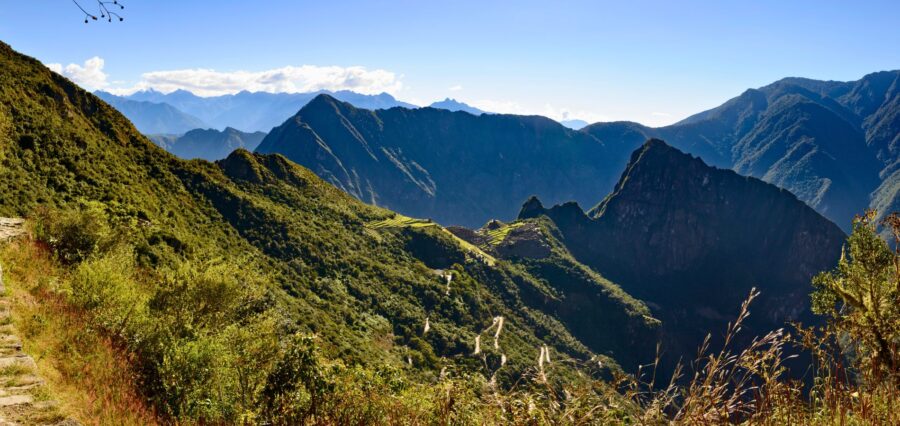
This distinction is important because the Machu Picchu area is also home to wild species, such as the spectacled bear and various bird species typical of the mountain forest. The area is part of the rich biodiversity of the Historic Sanctuary of Machupicchu, which encompasses numerous ecosystems and wild species. Llamas, on the other hand, reflect a long tradition of camelid domestication and management in the Andes, linked to activities such as transportation, the use of fiber, and other economic and cultural practices.
Llamas played an important role in the economic and logistical organization of the Andean world. During the Inca period, they were mainly used as pack animals, facilitating the transportation of goods along the extensive routes of the Qhapaq Ñan, as well as providing fiber and other resources.
Their importance also extended to the ceremonial and symbolic sphere. Camelids participated in various ritual practices of Andean societies, while also being part of everyday life and productive activities. For this reason, llamas represent a historical relationship between Andean communities, the territory, and the resources that made their development possible over time.
If you encounter a llama during your tour, you can make the most of the landscape without getting too close to the animal. Ideally, keep a safe distance and use your camera or phone’s zoom, so you can get a good composition without interfering with its behavior.
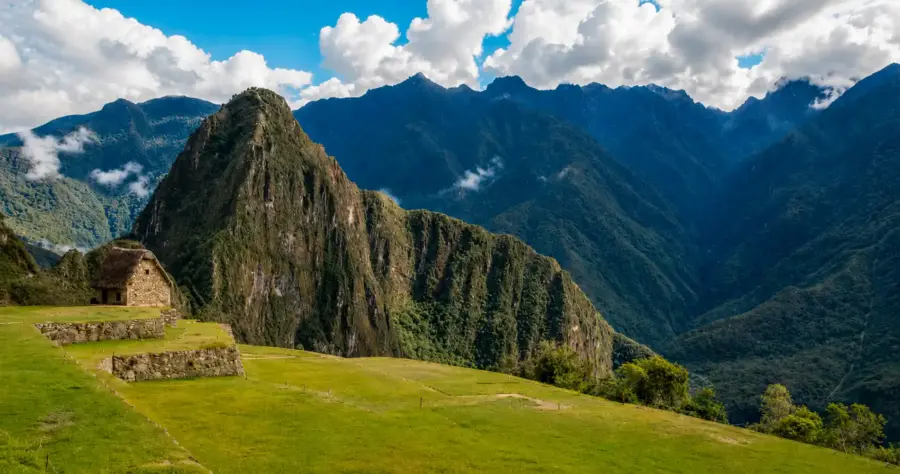
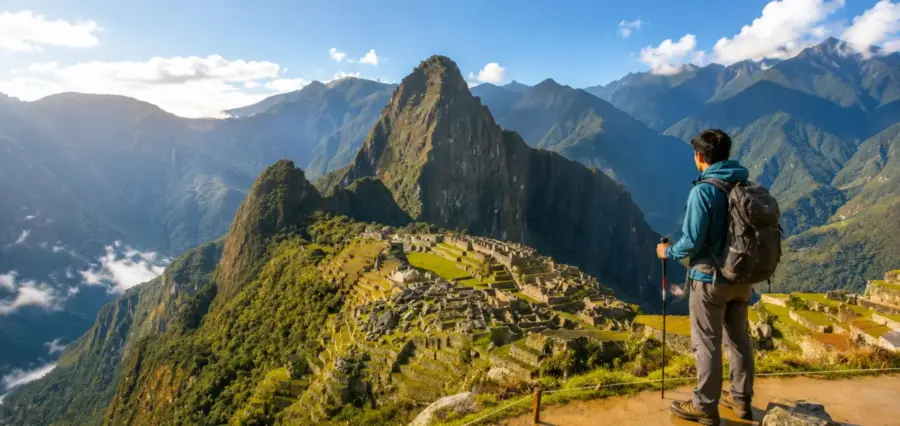
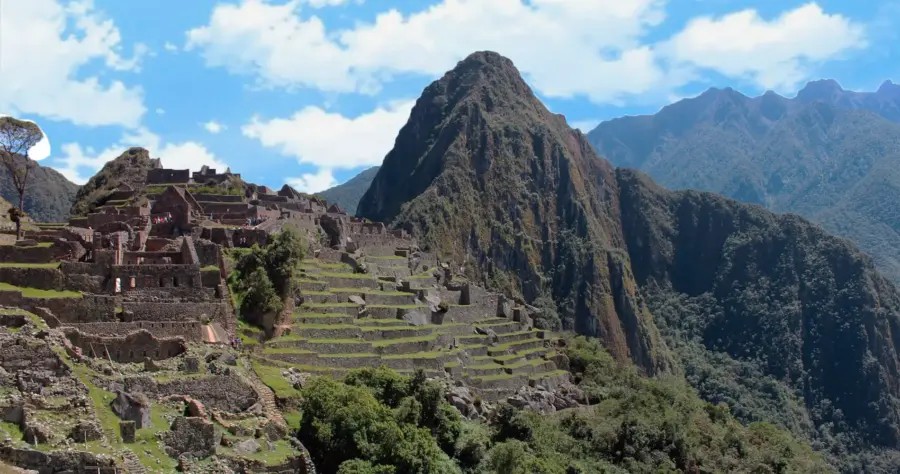
The terraces, mountains, and Huayna Picchu can add depth to your photographs, but the priority should be to respect the authorized route and allow the animal to move freely. Avoid chasing it, blocking its path, or trying to attract it with food to get a photo.
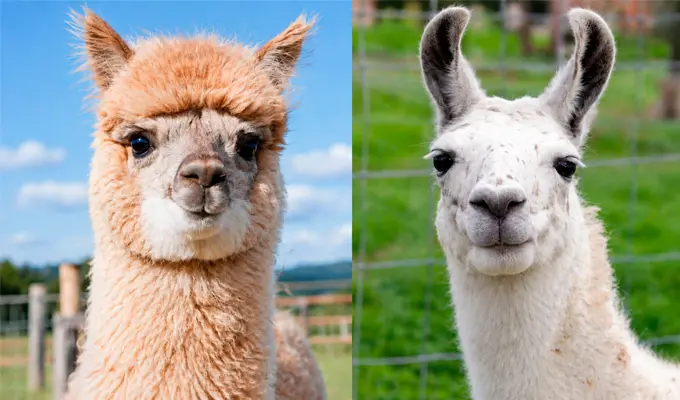
Distinguishing a llama from an alpaca is relatively easy if you look at their size, the shape of their ears, and the type of fiber:
In the Andean world, llamas and alpacas played different but complementary roles. Llamas stood out for their use in transporting goods, while alpacas were especially valued for their fiber. Recognizing these differences helps us better understand the role of camelids in the economy and everyday life of Andean societies.
It is recommended that you do not touch or try to approach the llamas to interact with them. Although they may pass close by during the tour, it is best to keep a safe distance and allow the animals to move freely.
During your visit, avoid feeding them, chasing them, surrounding them to take photographs, or blocking their path. These measures help reduce disturbance to the animals and allow you to enjoy the encounter without altering their behavior or leaving the authorized route. Before entering, it is also advisable to review the important rules during your visit to Machu Picchu. “Before your visit, it is also advisable to review the Machu Picchu visitor guidelines, which prohibit feeding animals and disturbing wildlife.”
Encountering llamas during your visit adds a distinctive element to the Machu Picchu landscape and offers a better understanding of the historical relationship between camelids and Andean societies.
Their presence is not guaranteed at any specific location, so the best approach is to enjoy the encounter naturally: observe them from a distance, respect their movements, and always remain on the authorized route. If you are planning your visit, you can also discover the main must-see places in Machu Picchu and learn which route allows you to visit each one. If you are planning your visit, you can also discover the main must-see places in Machu Picchu and learn which route allows you to visit each one.