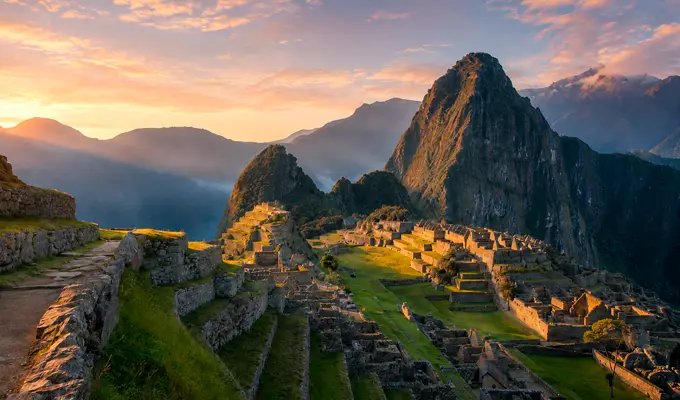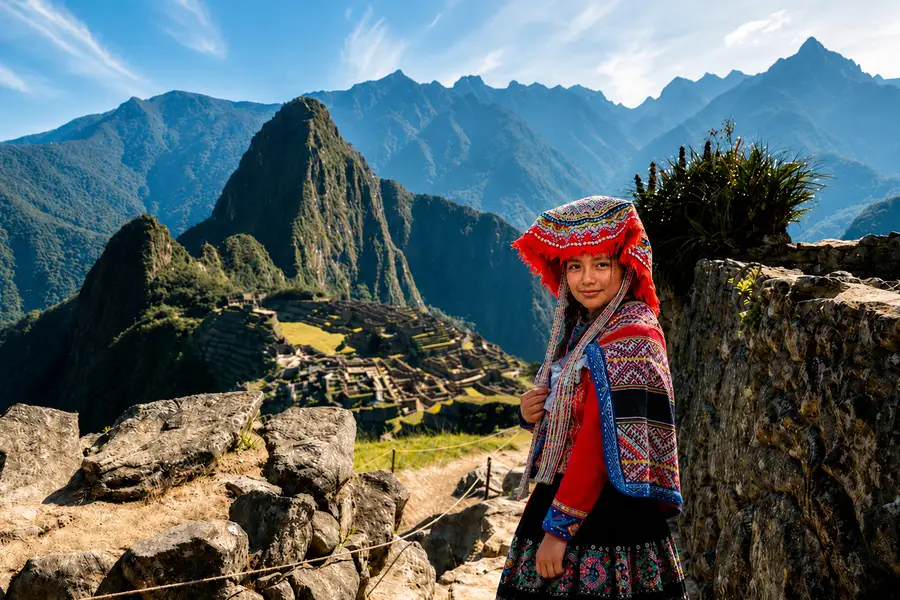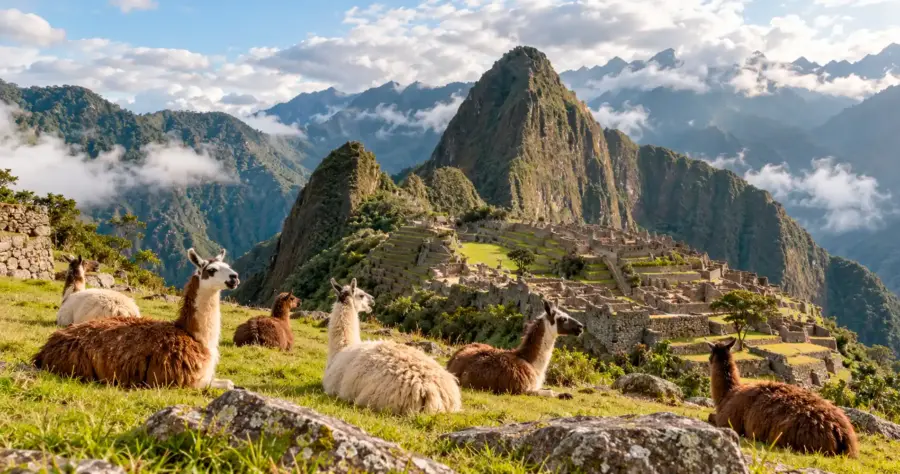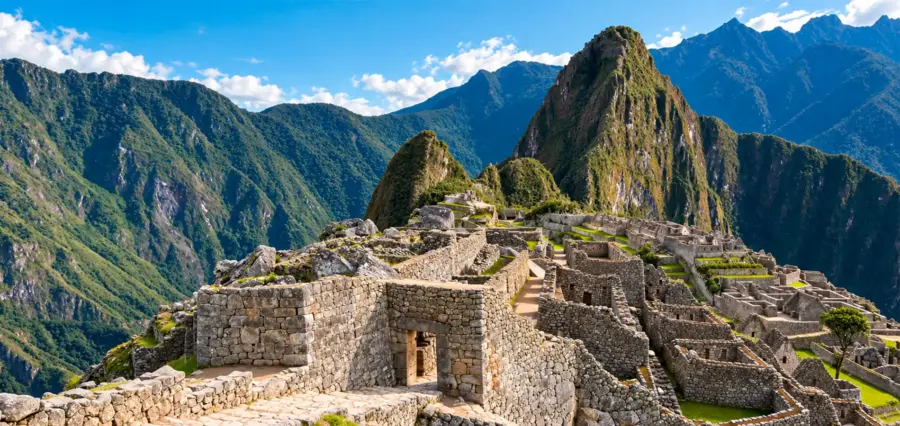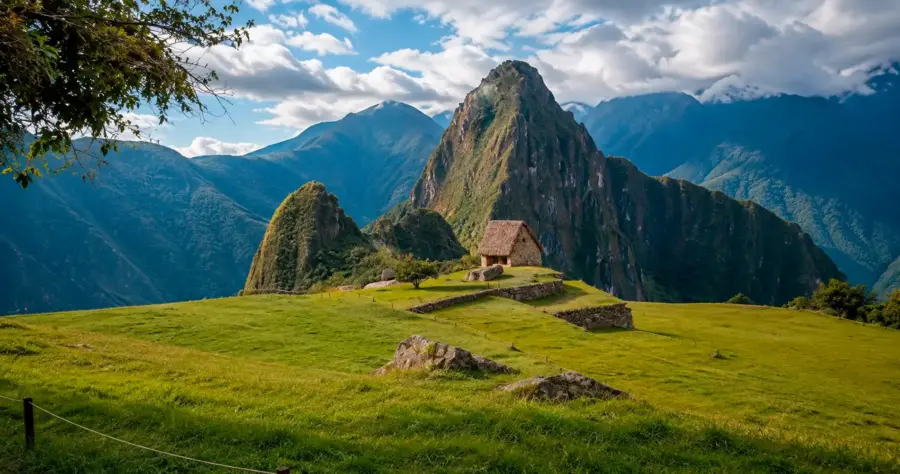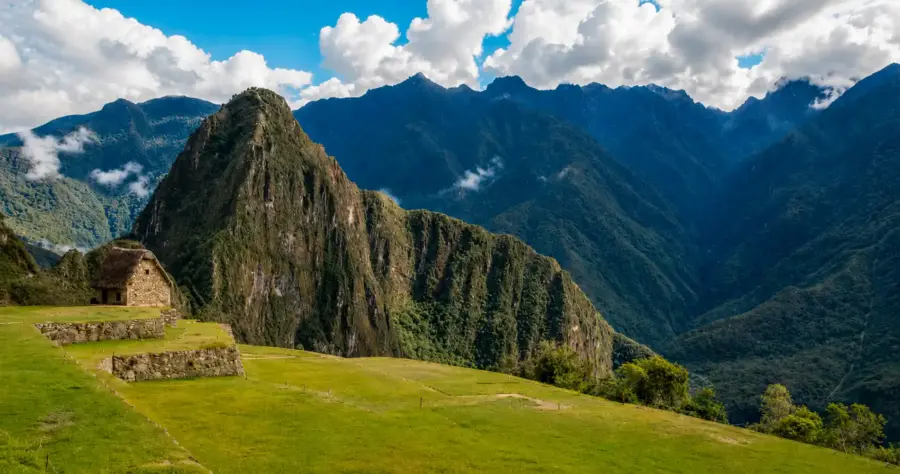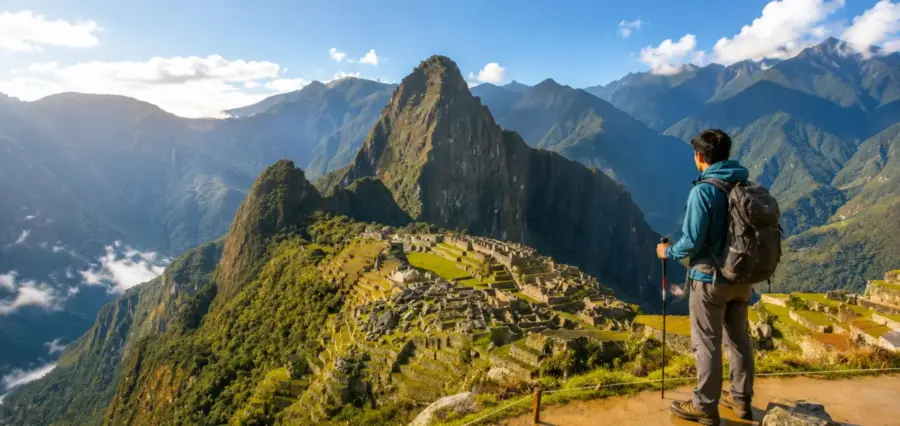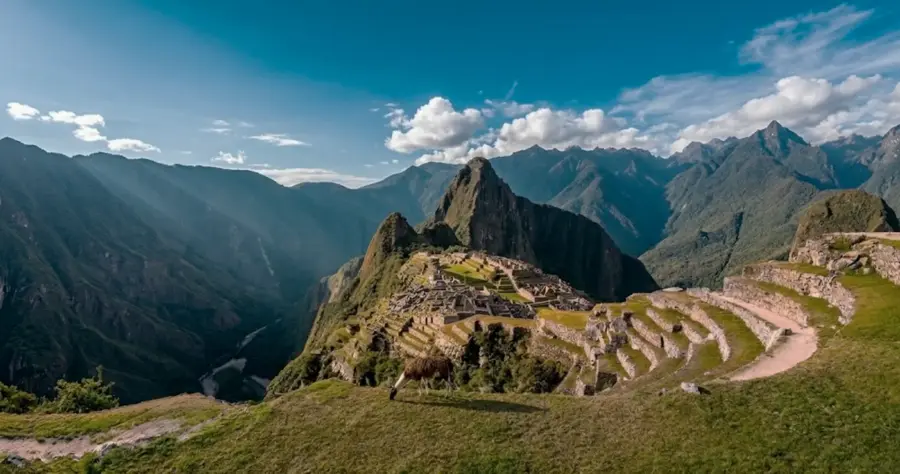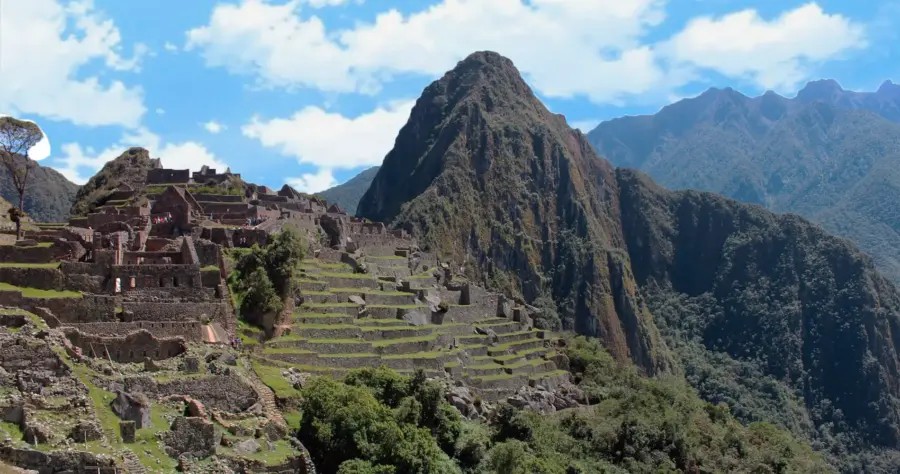

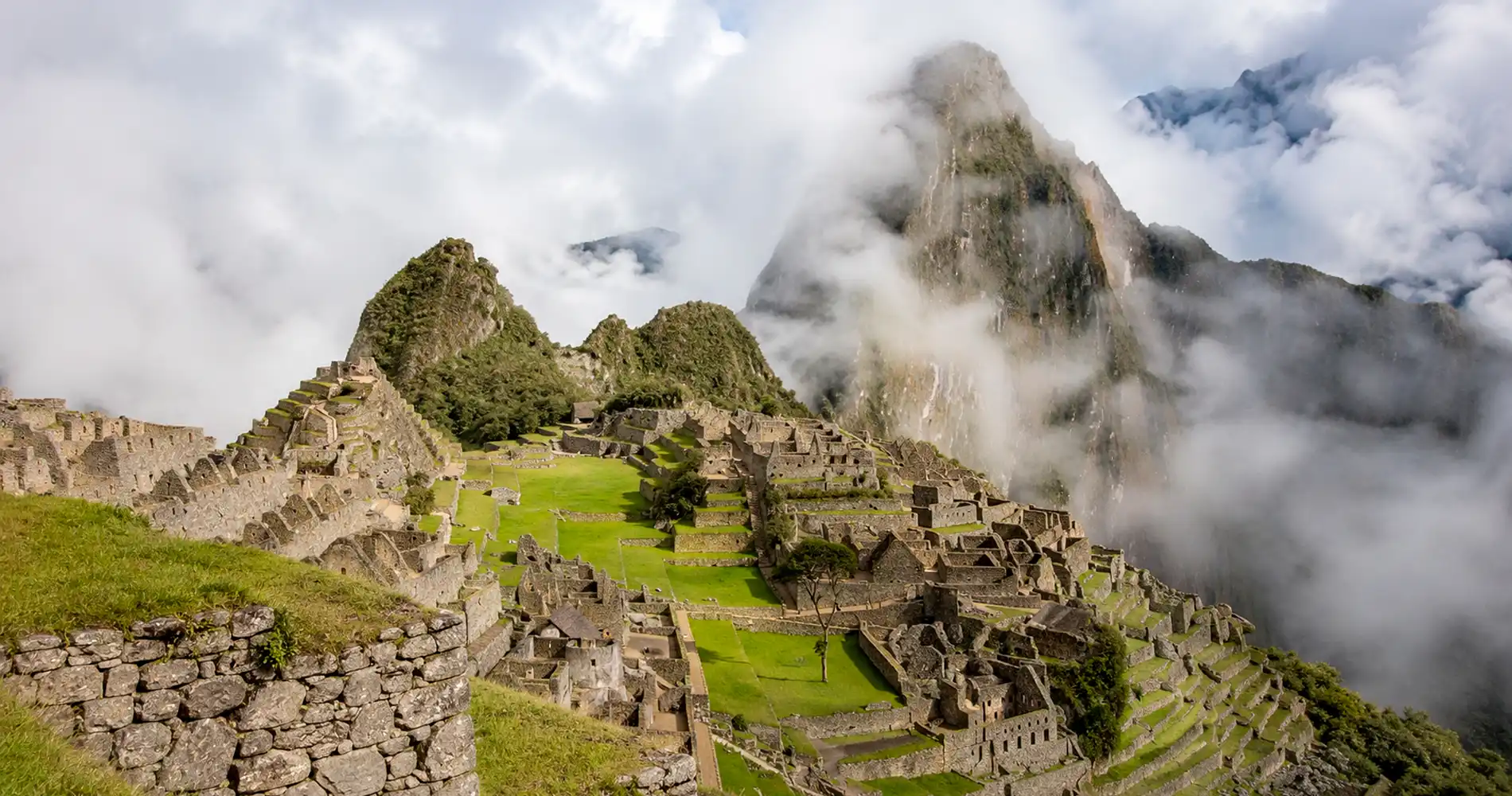
Watching the sunrise at Machu Picchu depends on the date of your trip and weather conditions. Sunrise time changes throughout the year and, in some months, it may occur before the first entry time; in others, it may coincide with the first hours of access to the archaeological site.
Therefore, rather than guaranteeing the exact moment when the sun rises over the citadel, an early visit allows you to observe how the light changes over the mountains, terraces, and Inca structures. In the early morning, fog or low clouds may also appear, especially during certain times of the year, so visibility can vary even within the same morning.
| Fact | Information |
| Location | Machu Picchu, Cusco – Peru |
| Approximate sunrise time | Varies depending on the time of year; it may occur before or shortly after 6:00 a.m. |
| First entry | From 6:00 a.m. |
| Best option for an early start | Spend the night in Machu Picchu Pueblo (Aguas Calientes) |
| Best time of year | From May to September, rainfall is generally less frequent, although clear skies are not guaranteed. |
| Weather at sunrise | There may be fog, low clouds, drizzle, or clear skies. |
| Notable location | Panoramic sectors of Machu Picchu depending on the route purchased; Intipunku only when its route is open. |
| What makes it special | Watching how the light changes over the citadel and mountains during the early morning hours. |
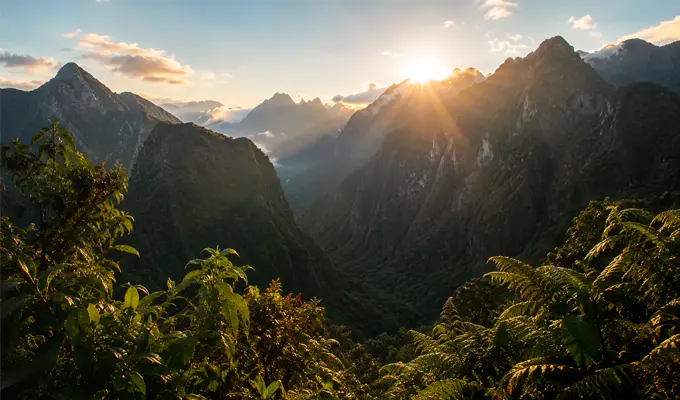
Sunrise time at Machu Picchu varies throughout the year. In some months, it may occur before 6:00 a.m., while in others, shortly after. In addition, the mountainous terrain can mean that the first direct rays of sunlight on the citadel are seen later than the astronomical sunrise time.
If you book the first entry time, from 6:00 a.m., you can check the official Machu Picchu entry times before organizing your visit and explore Machu Picchu during the early morning hours. Depending on the date and weather conditions, you may encounter clear skies, cloud cover, or fog, so visibility varies from one morning to another.
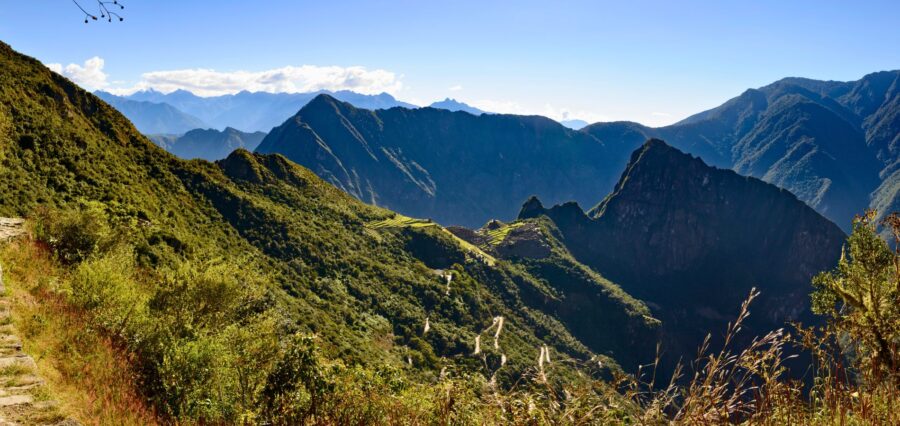
In the case of the Inca Trail, the final day begins before dawn and the route may take you to Intipunku (the Sun Gate). From this area, you can enjoy an elevated view of Machu Picchu, although visibility and lighting depend on the weather and the time of arrival.
If you want to enter Machu Picchu at the earliest available time, the most practical option is to organize the logistics the night before.
Spending the night in Machu Picchu Pueblo (Aguas Calientes) is the most convenient option for those who want to enter early, as it reduces travel time from Cusco and allows you to stay close to the bus departure point for the entrance. Departure times may vary depending on the service operation, so it is advisable to check them in advance for your visit date.
It is also important to choose the correct entry ticket. The perspective you will have during the early morning hours depends on the specific route you purchase within the official Machu Picchu circuits. If you do not yet have your ticket, you can consult the official Machu Picchu ticket sales platform of the Ministry of Culture.:
Booking in advance increases the chances of finding the route and time slot that best suit your visit, especially during periods of high demand.
To observe Machu Picchu during the first hours of daylight, the panoramic areas included in the routes of Circuit 1 offer elevated views of the citadel. However, the exact viewpoint from which you can observe it will depend on the route you have purchased and the areas open to visitors on that date. Before traveling, check the SENAMHI weather forecast for Cusco.
The time of year also influences the likelihood of encountering rain, fog, or clear skies:
If you want to compare conditions throughout the year, check our guide to the best time to travel to Machu Picchu.
In any season, weather conditions can change during the morning. For this reason, it is best to consider the weather as a variable factor and avoid planning your visit expecting completely clear skies.
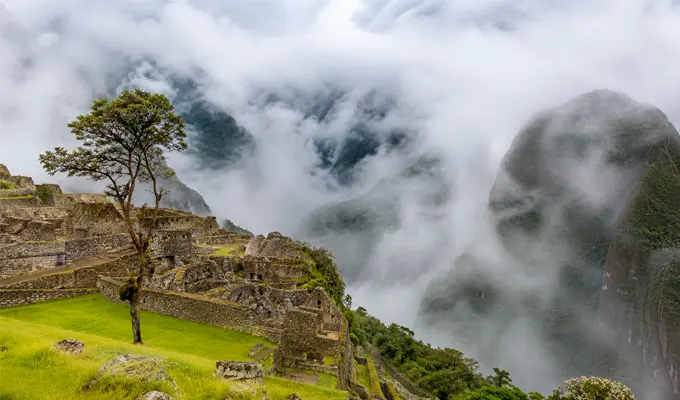
Sunrise occurs every day, but it cannot always be clearly observed from Machu Picchu. Visibility depends mainly on cloud cover, fog, rain, and the sunrise time on the date of your visit.
Machu Picchu is located in a humid mountainous environment where conditions can change quickly during the morning. You may begin your visit with fog and find better visibility later, or experience cloudy conditions for much of the visit.
Therefore, entering early increases the possibility of enjoying the first hours of daylight, but it does not guarantee a clear sunrise. If there is fog, it is best to continue the visit calmly and take advantage of any changes in visibility that may occur during the morning.
Getting up early to visit Machu Picchu can be worthwhile if you prefer to explore the site during the first hours of daylight and in cooler temperatures. It is also a good option for those who want to take advantage of the earliest available entry time and continue with the rest of their itinerary during the day.
However, choosing the first time slot does not guarantee clear skies or a perfect panoramic photograph. Fog and cloud cover can limit visibility, so it is best to consider an early visit as an experience influenced by the weather and not solely by the possibility of seeing the sunrise.
If you encounter fog when you enter, visibility may improve as the morning progresses, although this does not always happen. For this reason, the most important thing is to have realistic expectations and enjoy the visit according to the conditions of the day.
For an early visit to Machu Picchu, it is advisable to bring clothing and documents that allow you to adapt to the weather and enter without any inconvenience:
For a more complete list of clothing, backpacks, and permitted items, check what to bring to Machu Picchu before your visit.
It is also advisable to be prepared for rapid changes in visibility. Fog or cloud cover may appear during the morning, so an early visit should be planned with flexible expectations.
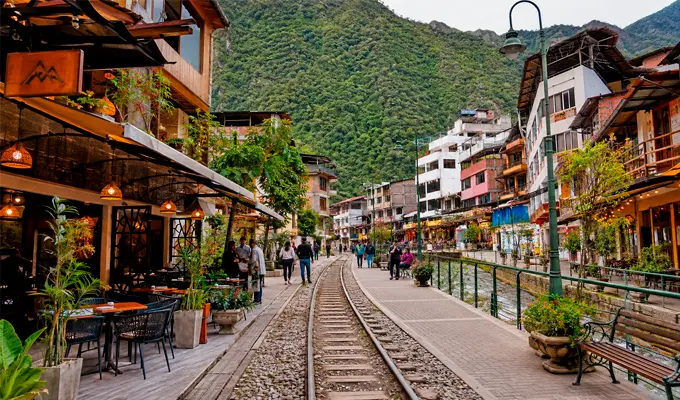
It is a choice between two completely different experiences and depends on what type of traveler you are.
Sunrise gives you that magic of awakening. Everything is anticipation, the air smells of fresh mountain air, the fog plays hide-and-seek with the ruins, and you feel that exciting rush of being among the first to set foot in the citadel. It is a vibrant experience, ideal for those who enjoy getting up early and want to start the day on the right foot.
Sunset, on the other hand, is the reward at the end of the journey. The golden afternoon light falls across the stone walls, highlighting their reliefs and giving them a spectacular warm tone. In addition, from 3:00 p.m., the large flow of visitors begins heading back down toward the train station, so the citadel gradually becomes quieter, with a golden silence and a remarkable sense of peace to end the day.
If you enjoy the magic of surprise and morning calm, getting up early is the way to go. If you prefer contemplation, warm tones in your photos, and a more relaxed visit without the morning rush, the afternoon time slot has absolutely nothing to envy.
That is, without a doubt, the greatest lesson the mountain leaves you with: the beauty of the unpredictable. There are no two mornings alike at Machu Picchu, and no screen or catalog photograph can do justice to what it feels like to stand there.
Whether you get a perfect postcard-blue sky or a mysterious atmosphere wrapped in fog that slowly begins to clear, the experience is unforgettable. In the end, you did not come to see a still photograph; you came to see how a sanctuary more than 500 years old opens its eyes in the heart of the Andes.
If you bring patience with you, lace up your boots properly, and keep your heart open to whatever nature gives you that day, I assure you that you will take home the trip of a lifetime. The citadel is already waiting for you; now all that remains is to give yourself the chance to see it awaken.
That is exactly the attitude you should have when you walk through the entrance. When you let go of the expectation of the "perfect landscape" and simply surrender to the moment, the mountain gives it back to you many times over.
The effort of getting up early, the cold while waiting in line for the bus, and the walk are worth every second when you finally stand there in front of it. Machu Picchu has its own rhythm and personality; watching it reveal itself at its own pace is a lesson in humility and patience that few places in the world can teach you.
In the end, that is what traveling is all about: being present, taking a deep breath of the Andean air, and allowing yourself to be surprised. You already have all the information, the logistics are clear, and your mind is ready. Now all that is left is to pack your bags, lace up your boots properly, and go experience that magic for yourself. Have a great trip!