
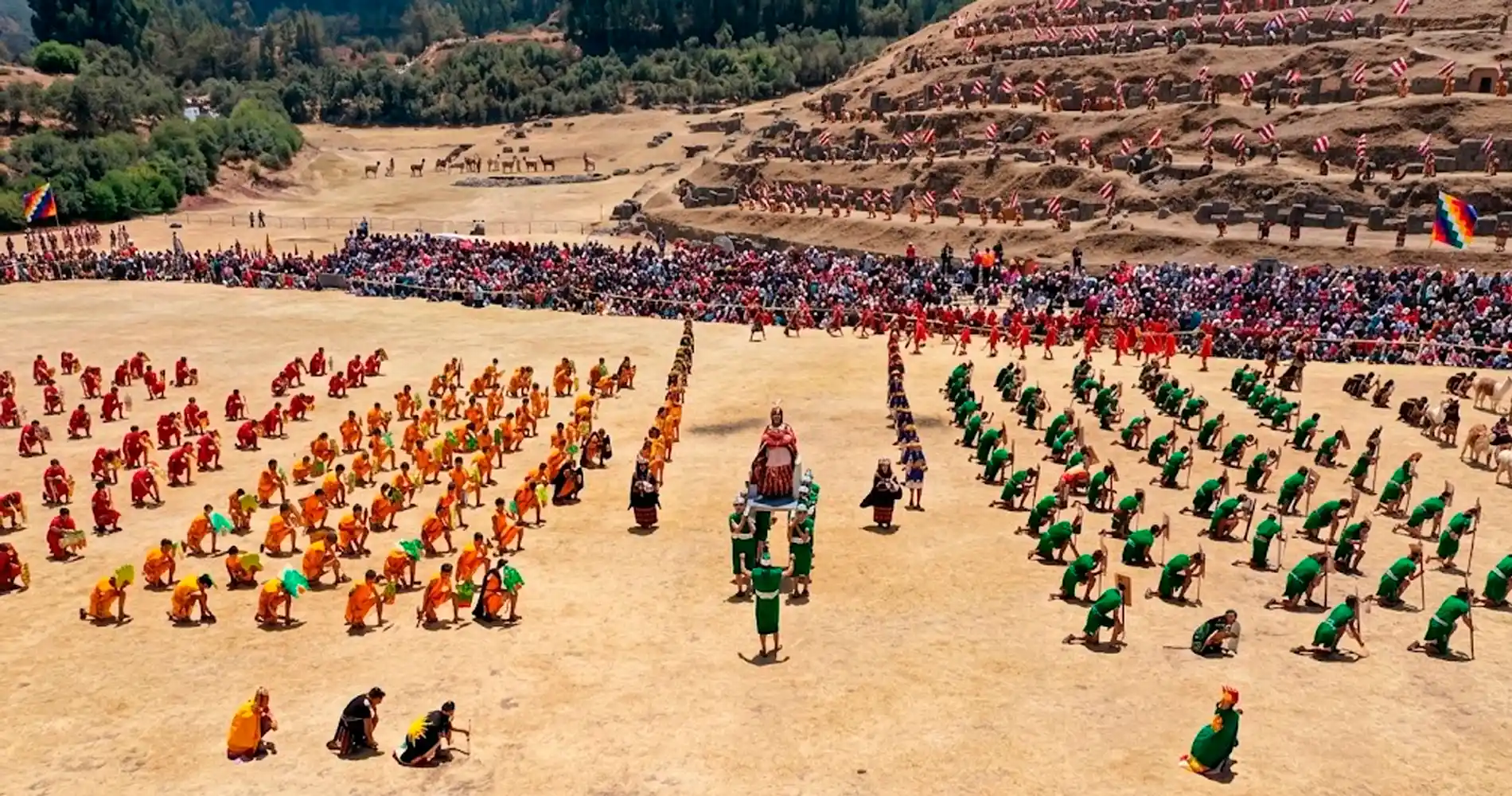
Warachikuy in Cusco originated as an ancient Inca initiation rite in which young men from the Cusco nobility had to overcome tests of endurance, discipline, and courage before being recognized as adults. Upon completing this process, they received the wara, a male garment associated with this change in status. Today, this tradition is remembered through a contemporary reenactment held every third Sunday of September on the esplanade of Saqsaywaman, performed by students from the Glorioso Colegio Nacional de Ciencias del Cusco. Recognized by the Ministry of Culture for its cultural and educational value, this representation helps us understand how an ancient rite of passage continues to be part of Cusco's collective memory and identity.
The Warachikuy was an initiation and coming-of-age rite practiced in Inca society, especially among young men from the Cusco nobility. During this process, they had to overcome different physical, endurance, and discipline tests that demonstrated their readiness to assume new responsibilities within their community. The objective was not only to measure strength; qualities such as self-control, obedience, endurance, and a sense of duty were also valued. After completing the rite, the young man received the wara, a garment associated with the recognition of his new adult status within the Tahuantinsuyo.
| Fact | Information |
| What it is | Inca initiation and coming-of-age rite |
| Who it was intended for | Primarily young men from the Cusco nobility |
| What was evaluated | Endurance, discipline, courage, self-control, and a sense of duty |
| Main symbol | The wara, a garment associated with the recognition of adult status |
| When it is reenacted today | Third Sunday of September |
| Where it takes place | Esplanade of Saqsaywaman, Cusco |
| Who performs it | Students from the Glorioso Colegio Nacional de Ciencias del Cusco |
| Current importance | It contributes to preserving the historical memory, cultural identity, and educational value of this tradition |
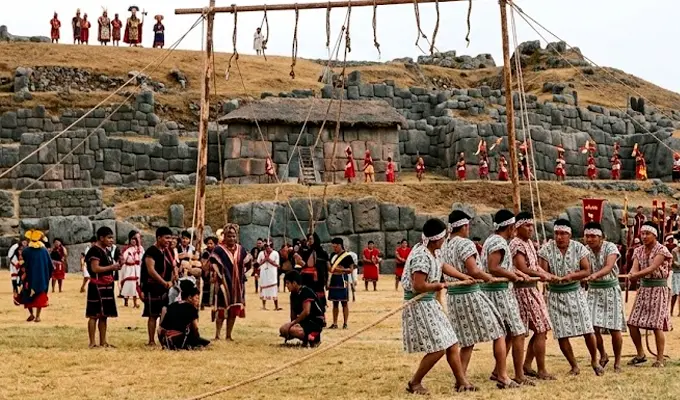
The word Warachikuy is closely related to the Quechua term wara, the name of the men's garment given to the young man upon completing this initiation rite. Therefore, its meaning is associated with the act of receiving or wearing the wara, a symbol of the transition to a new social status within the Tahuantinsuyo. More than a garment, the wara represented recognition that the young man had successfully completed the required tests and was prepared to assume new responsibilities as an adult within his community. According to the official MINCETUR Warachikuy record, the term is related to the wara, the garment young men received after completing this initiation process.
In the context of the Warachikuy, demonstrating courage meant proving that the young man could face demanding situations with endurance, discipline, and self-control. These qualities were important because the rite marked his transition to new responsibilities within Inca society. The tests were not intended solely to measure physical strength; they also assessed the ability to sustain effort, follow the rules of the rite, and act decisively. Successfully completing this process demonstrated that the young man was prepared to assume an adult status and fulfill duties appropriate to his position within the Tahuantinsuyo.
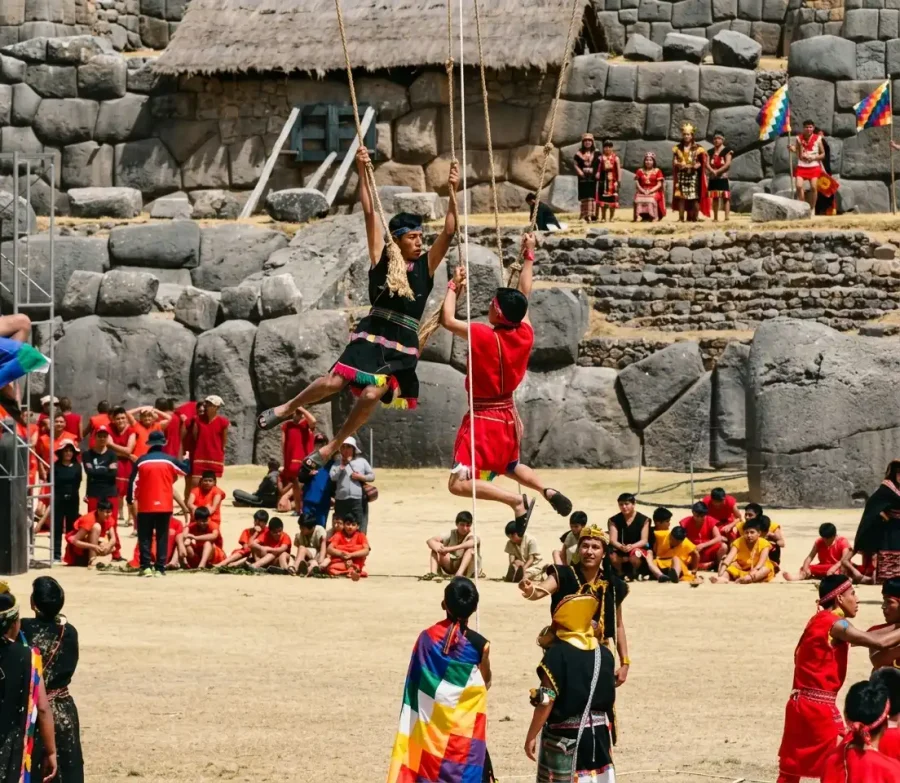
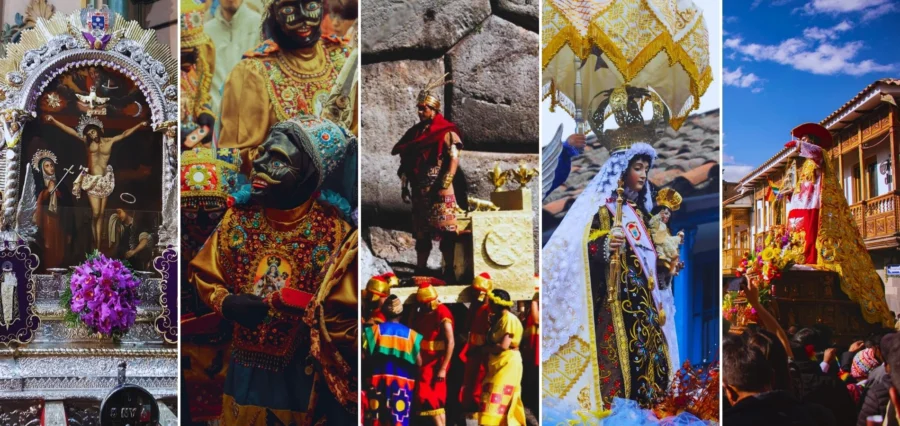
The Warachikuy included various physical and ritual tests intended to demonstrate the endurance, discipline, and readiness of young men to assume a new status within Inca society. These tests could require physical effort, body control, and compliance with ceremonial rules, so their meaning went beyond competition. In the contemporary reenactment of the Warachikuy, this aspect is represented through endurance races, warrior dances, and ritual combats, accompanied by Andean instruments such as pututus, tinyas, and quenas. In this way, the present-day representation seeks to convey the symbolic value of the ancient rite without confusing it with an exact reproduction of every historical practice.
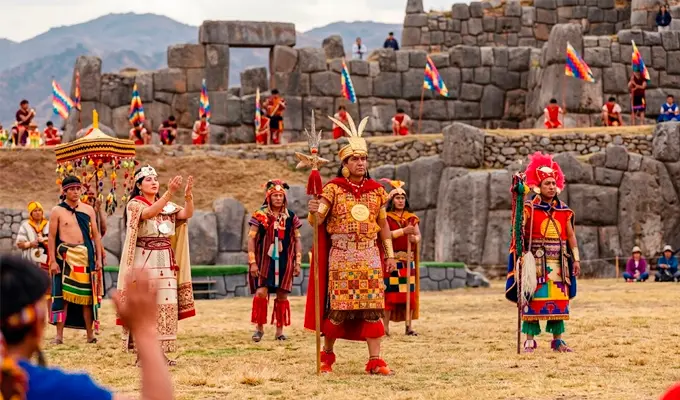
The Warachikuy was not focused solely on demonstrating physical strength. As an initiation rite, it also sought to show that the young man could act with discipline, self-control, endurance, and a sense of responsibility when facing demanding situations. Successfully completing the tests meant being prepared to assume a new status within Inca society, with duties appropriate to his position and stage of life. For this reason, the value of the Warachikuy went beyond physical performance: it represented a process of preparation for adulthood and for the responsibilities that this entailed within the Tahuantinsuyo.
The spiritual dimension of the Warachikuy should be understood within the Inca worldview, in which social life, ceremonies, and religious beliefs were closely interconnected. For this reason, this initiation rite was not limited to overcoming physical tests; it was also part of a ceremonial process that accompanied the young man's change in status within society. The ritual acts associated with the Warachikuy reinforced the importance of assuming new responsibilities within a collective and religious framework. Thus, its spiritual dimension complemented the tests of endurance and discipline and gave the transition to adulthood a broader ceremonial and social meaning.
Wanakauri, also known as Huanacaure in historical sources, held an important place within the sacred landscape of Cusco. This ceremonial connection is also documented in the ritual route between Qorikancha and Wanakauri, associated with the Warachikuy during the Qhapaq Raymi and with traditions related to the origins of the Incas. Its presence in ceremonial accounts and practices helps explain why certain natural spaces held religious and social significance for the Tahuantinsuyo. In relation to the Warachikuy, Wanakauri is associated with the ritual nature of the transition to a new adult status rather than simply with a physical test. Therefore, its importance lies in the connection between memory, territory, and ceremonial practices, central elements for understanding how the Incas integrated social life with their sacred spaces.
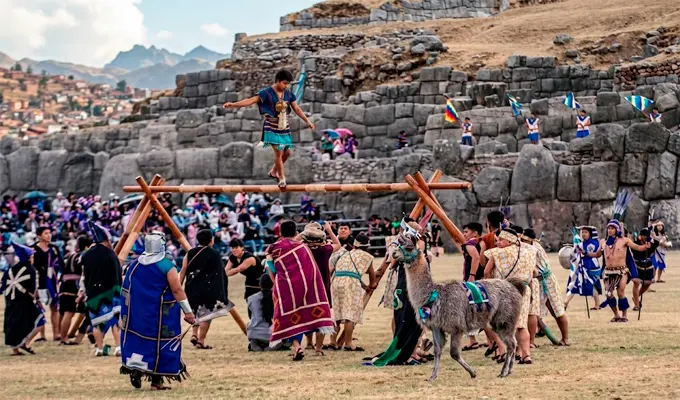
The Warachikuy was linked to the Cápac Raymi, one of the main celebrations in the Inca calendar. Within this ceremonial context, the initiation rite for young people was part of a period dedicated to renewal, social organization, and religious obligations. The relationship between these practices helps us understand that the transition to adulthood was not conceived as an isolated event, but as part of a collective ritual cycle. Thus, the Warachikuy acquired a broader meaning: publicly recognizing a new social status and preparing the young person to assume responsibilities within the Tahuantinsuyo. Another major celebration in the Inca calendar was the Inti Raymi, whose contemporary reenactment also takes place at Saqsaywaman, one of its main settings.
Today, the Warachikuy in Cusco is reenacted every third Sunday of September on the esplanade of Saqsaywaman. The performance is carried out by students from the Glorioso Colegio Nacional de Ciencias del Cusco and recreates aspects of the ancient Inca initiation rite for cultural and educational purposes. This contemporary reenactment was revived during the second half of the 20th century and is now part of Cusco's cultural calendar. The Ministry of Culture has recognized it for its cultural significance, so it should be understood as a historical reenactment rather than a literal continuation of the original Inca ceremony.
The esplanade of the Saqsaywaman National Archaeological Park is the current setting for the reenactment of the Warachikuy in Cusco. More than a monumental backdrop, this space provides a historical and ceremonial context that helps explain the relationship between the contemporary representation and the memory of the Tahuantinsuyo. Every third Sunday of September, the educational community of the Glorioso Colegio Nacional de Ciencias del Cusco uses this location to recreate different moments inspired by the ancient initiation rite.
Around 1,500 students take part in the performance, preparing in advance to carry out skill and endurance tests, simulated combats, dances, and ceremonial scenes accompanied by Andean instruments. These activities form part of a cultural and educational reenactment of the Warachikuy and provide the public with an opportunity to understand its historical significance. Therefore, the performance should be understood as a contemporary reenactment inspired by sources and traditions related to the rite, rather than as an exact reproduction of every practice carried out during the Inca period.
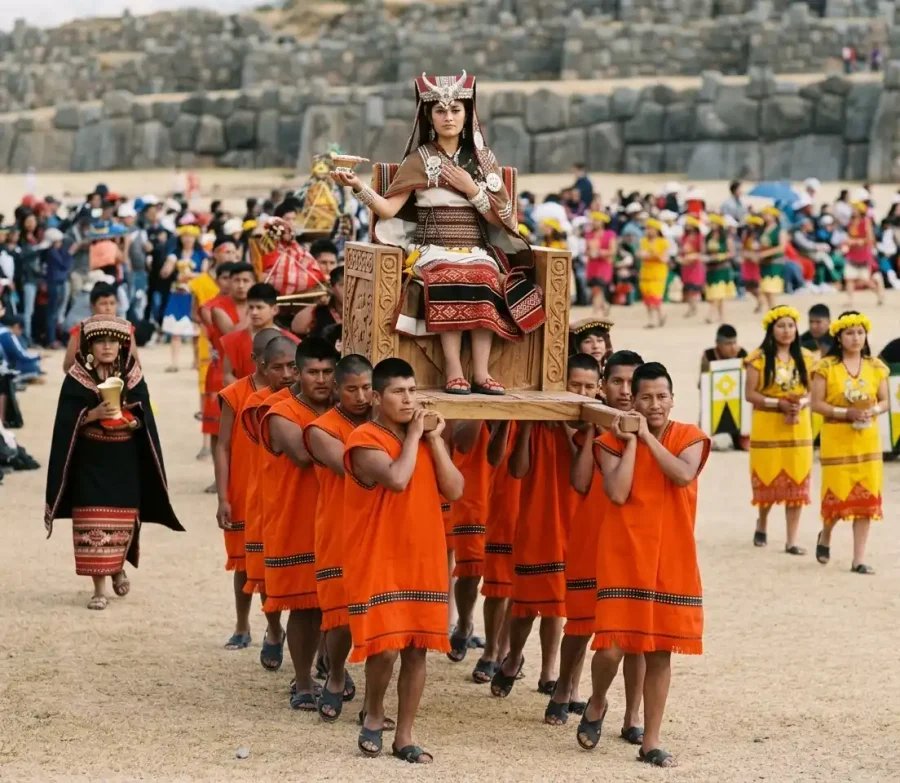
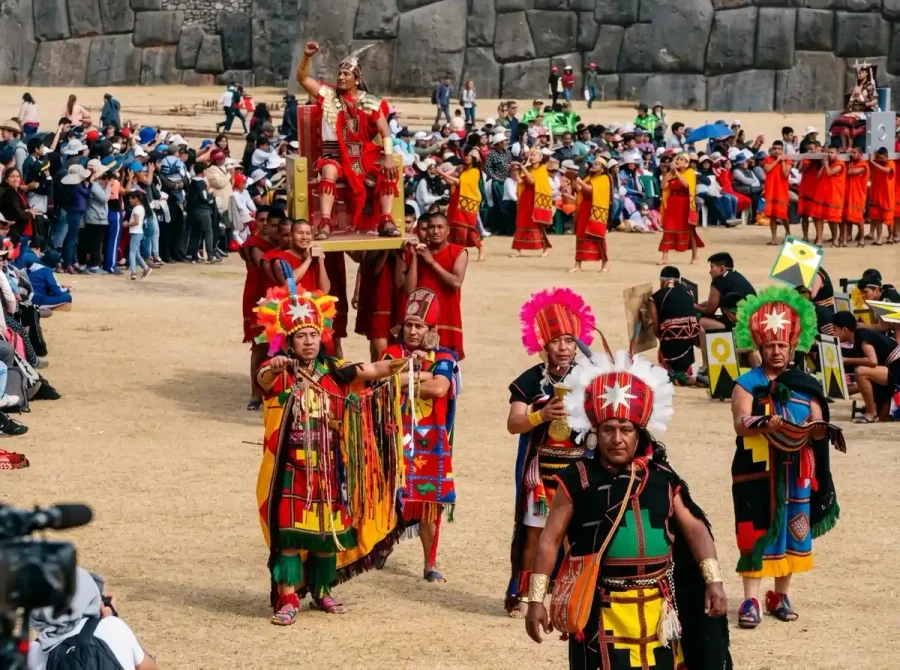
The Glorioso Colegio Nacional de Ciencias del Cusco plays a central role in preserving the memory and promoting the contemporary expression of the Warachikuy. The educational community has organized this reenactment since 1968, involving students, teachers, and families in a cultural and educational project. Rather than literally reproducing the ancient Inca rite, the performance seeks to recover, reinterpret, and transmit its meaning to new generations. In this way, the school has helped keep the Warachikuy within Cusco's cultural calendar and transform it into an educational resource for reflecting on identity, collective memory, and cultural heritage.
The Warachikuy remains important to Cusco because it serves as a tool for memory, education, and cultural identity. Its reenactment allows new generations to learn about a rite from the Inca past from a contemporary perspective, combining historical research, artistic practice, and participation from the educational community. In this way, the event not only recalls an ancient tradition but also creates opportunities to reflect on the relationship between history, belonging, and cultural heritage. The Warachikuy is part of the broader collection of customs and traditions of Peru that help us understand how different communities preserve and reinterpret their cultural heritage.
Its current value is also connected to intergenerational transmission and the participation of students, teachers, families, and the wider community. In 2025, the Ministry of Culture declared the evocation and reenactment of the Warachikuy to be of Cultural Interest, highlighting its contribution to regional and national identity, collective memory, and education. Therefore, its importance to Cusco lies both in sharing an episode of Inca history and in the way contemporary society reinterprets it and keeps it present within its cultural calendar.
If you are fortunate enough to visit Cusco in September, encountering the Warachikuy offers a deeper look into the soul of the Andes. You are not simply going as a spectator to watch a show of colors and dances, but as an honored witness to a living lesson about what it means to grow, take on responsibilities, and honor one's roots.
Setting foot on the esplanade of Saqsaywaman at that moment can change your perspective forever: you realize that archaeological sites are not dead ruins, but sacred settings that still pulse with life. This celebration is a powerful reminder that Andean history did not remain trapped in stones or books: it is still alive, walking, dancing, and demonstrating its strength through the enduring spirit of new generations. If you are still deciding when to travel, also check the best time to visit Cusco according to the weather, activities, and festivities.
Every third Sunday of September, Cusco seems to stop time to look directly at its roots. On the imposing esplanade of Saqsaywaman, young people from Cusco reenact that sacred turning point when adolescence is left behind to welcome adulthood.
The Warachikuy preserves the memory of an Inca Empire where growing up was not simply about reaching a certain age, but about demonstrating with honor courage, endurance, and unconditional service to the people. What was once an initiation rite now flourishes as a powerful educational and cultural force that keeps Andean pride alive.
This is where its true significance lies: in seeing today's youth take up the legacy of the past and proclaim that their history is more alive than ever. If your trip coincides with September, witnessing this celebration will be more than visiting an archaeological complex; it will be a direct journey into the soul of Cusco, an experience that can give you goosebumps and make you feel how the spirit of the Incas still walks among us with strength.