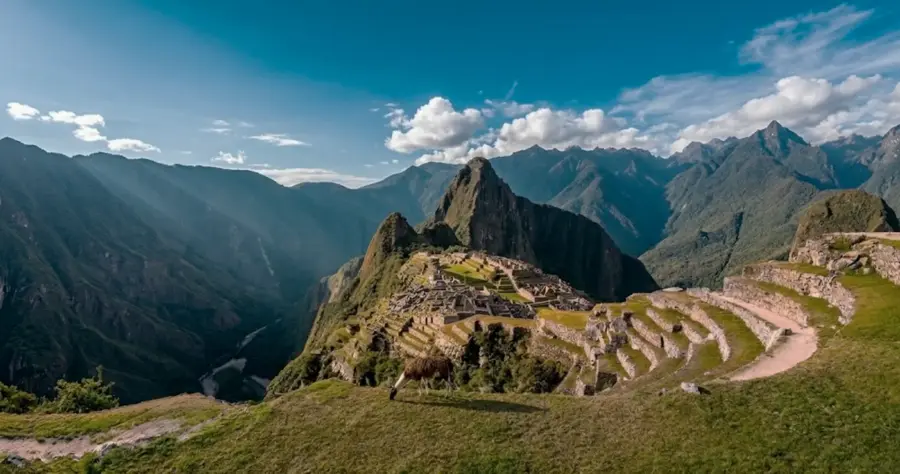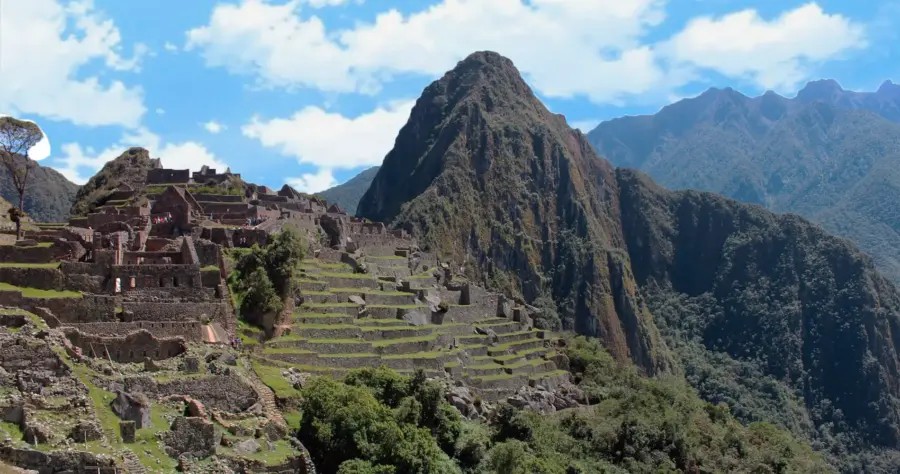

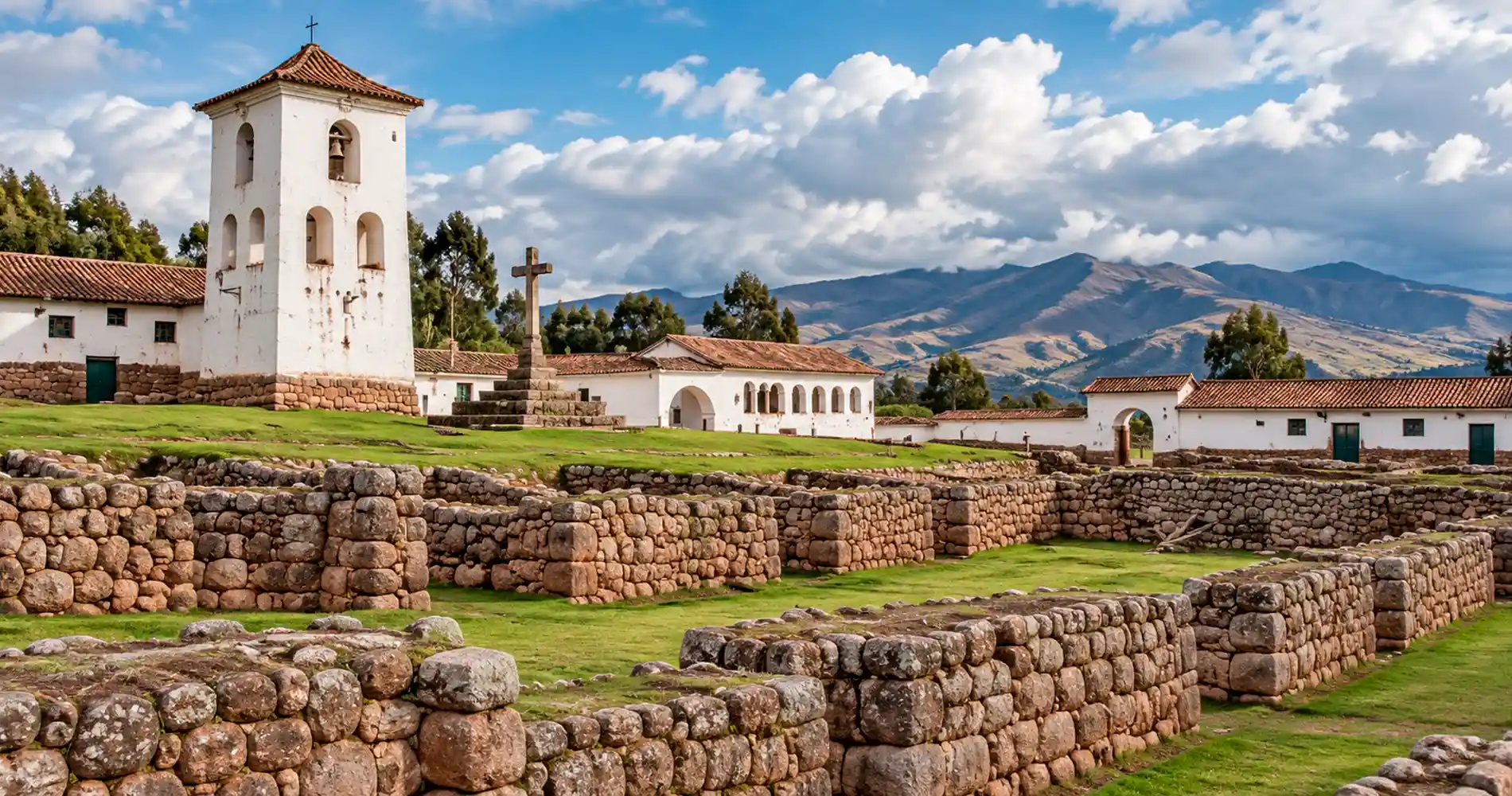
When we think of a trip to Cusco, Machu Picchu is usually at the top of the list. But before reaching the Inca citadel, it is worth getting to know Chinchero, one of the most representative towns in the Sacred Valley, where archaeological heritage, textile traditions, and the daily life of Andean communities come together as part of the same experience. Visiting Chinchero provides a better understanding of the cultural and historical context surrounding Machu Picchu while revealing a side of the Andean world that remains present in everyday life.
Located more than 3,700 meters above sea level, Chinchero is situated at a considerable altitude, so it is advisable to visit it after the traveler has had enough time to acclimatize to the altitude of Cusco. Chinchero also stands out for its textile tradition. In its community centers and workshops, visitors can learn firsthand about the work of local artisans, from spinning and dyeing with natural materials to weaving textiles whose designs convey knowledge and symbols of Andean culture. As you walk through its streets, plazas, and local gathering spaces, you discover a community where the Quechua language, local customs, and everyday activities remain an active part of the present. In addition, the Chinchero Archaeological Park allows visitors to observe how Inca terraces and structures coexist with later colonial elements. This contrast helps provide a better understanding of the region's history before continuing the journey to Machu Picchu.
| Fact | Information |
|---|---|
| Location | Chinchero is located in the province of Urubamba, in the Cusco region and within the Sacred Valley. |
| Altitude | It is situated at more than 3,700 m above sea level, so it is advisable to visit after having had enough time to acclimatize to the altitude. |
| What you will find | Archaeological park, Inca terraces, colonial architecture, textile traditions, and Andean landscapes. |
| Why visit it beforehand | It helps you better understand Andean history, culture, and everyday life before continuing your journey to Machu Picchu. |
| Cultural experience | It allows you to discover textile workshops, local customs, and spaces where Andean culture remains part of everyday life. |
Reference source: National Inventory of Tourism Resources of Mincetur.
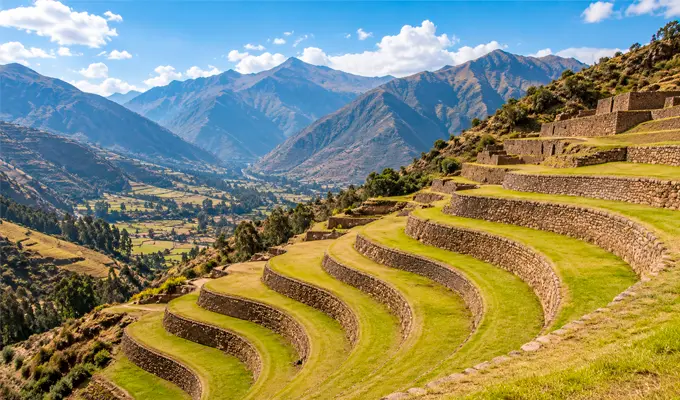
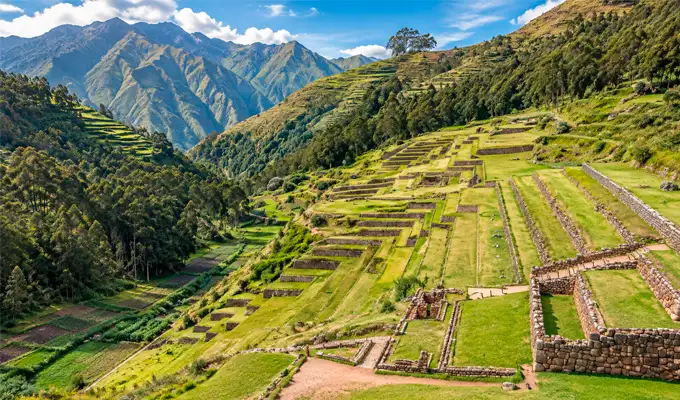
Before reaching Machu Picchu, Chinchero offers a closer way to understand how the territory was organized during the Inca period. Its archaeological park preserves terraces, plazas, and stone walls. According to the Decentralized Directorate of Culture of Cusco, Chinchero has evidence of settlements dating back to before the Inca period and later became particularly important during the Tahuantinsuyo. This first encounter with the architecture and landscape of the Sacred Valley helps you better understand the history of Machu Picchu and recognize how the Incas adapted their constructions to the territory. Chinchero provides the historical context needed to better understand the relationship between territory, agriculture, and social organization in the Andean world.
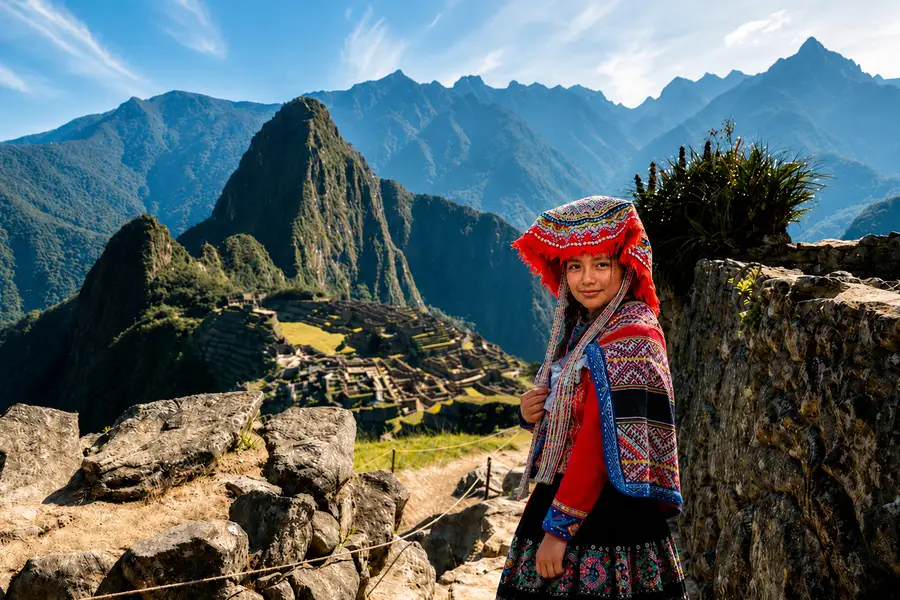
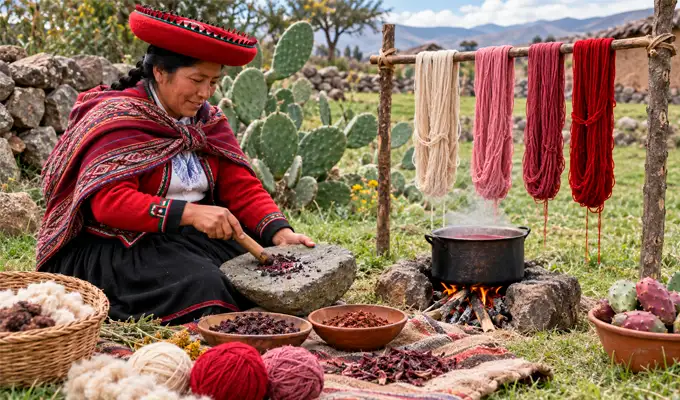
The textile tradition is one of the most visible cultural expressions of Chinchero and continues to be an important part of community life. In the textile centers, local artisans demonstrate processes such as spinning, dyeing with natural materials, and weaving on a loom, using knowledge passed down from generation to generation. Plants, minerals, and cochineal are used to produce different shades, while the designs incorporate figures and patterns connected to the surrounding environment, local memory, and the Andean worldview. Beyond simply watching a demonstration, this experience helps visitors understand that weaving is not just a handmade craft, but also a way of preserving and transmitting cultural identity.
Chinchero is not just a place to observe archaeological remains; it also offers an opportunity to experience ways of life, customs, and cultural practices that remain present in its communities. As you walk through its streets, main square, and local gathering spaces, it is common to hear Quechua, find local agricultural products, and see textiles made using traditional techniques. The Sunday market remains one of the most representative moments for experiencing this dynamic, bringing together local residents, producers, and artisans from the surrounding areas. This experience helps visitors understand that Andean heritage does not belong solely to the past: it also remains alive through language, community work, knowledge, and customs that are part of everyday life in Chinchero.
One of the most fascinating features of Chinchero is that its identity does not belong to a single era, but rather reflects the living layers of history. In its streets and plazas, imposing Inca structures naturally coexist with colonial buildings, offering a vivid reflection of the transformations Cusco underwent after the Spanish conquest. Its famous colonial church, built directly over the foundations of the former Inca palace, is the clearest example of this architectural contrast. This fusion shows that Peruvian heritage is not limited to the grandeur of the Tahuantinsuyo; therefore, discovering Chinchero before Machu Picchu teaches you to see history as a continuous story, where different cultures have left their mark on the same space.
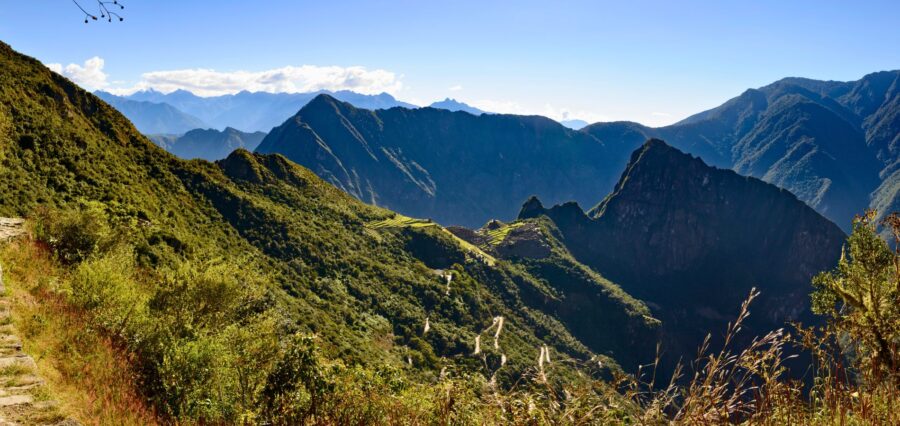
In addition to its historical and cultural value, Chinchero offers extensive views of agricultural fields, mountains, and snow-capped peaks of the Vilcabamba mountain range. Its terraces and agricultural fields show how the landscape has been used for farming for centuries and how human activity adapted to high-altitude conditions. Exploring this area allows visitors to observe firsthand the relationship between the territory, climate, and Andean settlement patterns, providing a context that helps them better understand the geographical environment that also characterizes the route to Machu Picchu.
Chinchero is located at more than 3,700 m above sea level, making its high-altitude landscape an essential part of the experience. The expansive views, changing weather conditions, and presence of cultivated fields at high elevations offer a better appreciation of the conditions of the Andean territory. For this reason, it is advisable to explore the area at a relaxed pace and after having had enough time to acclimatize to the altitude of Cusco.
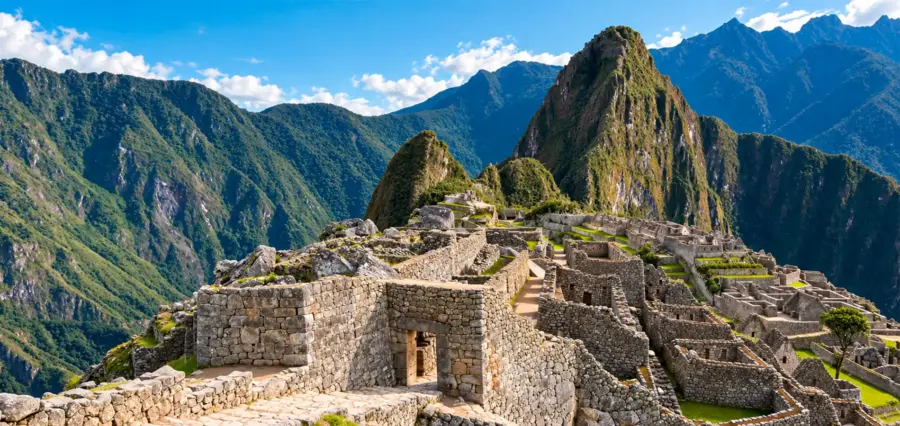
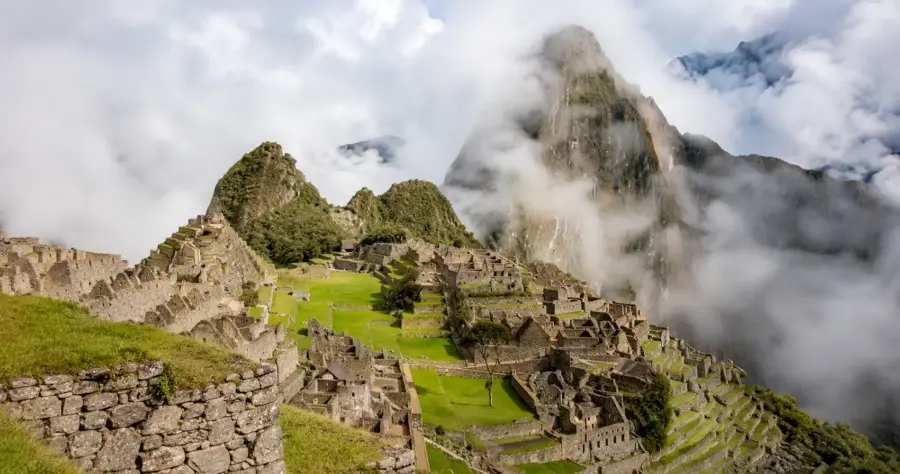
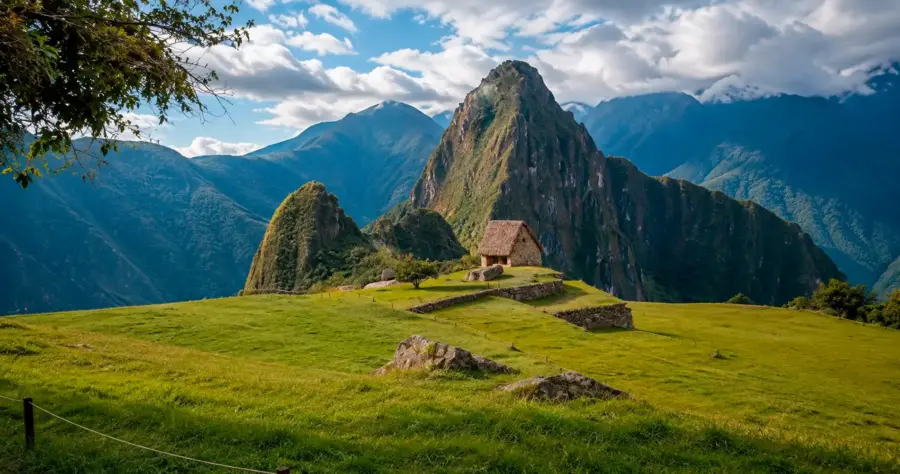
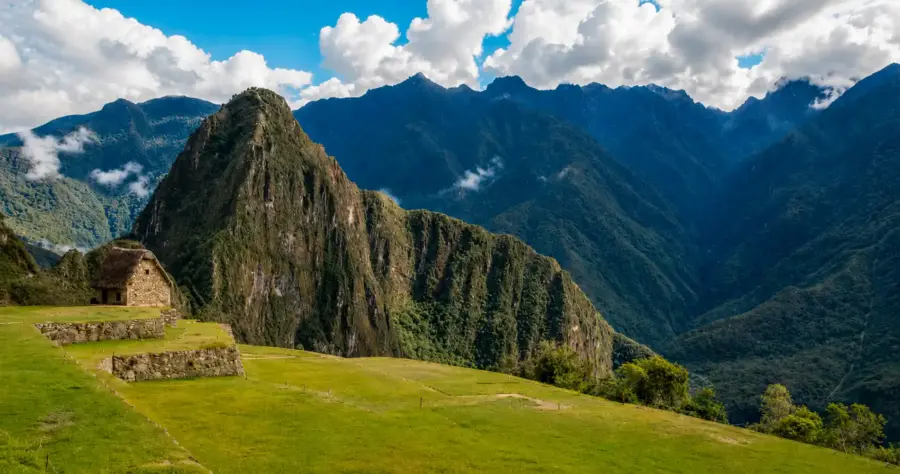
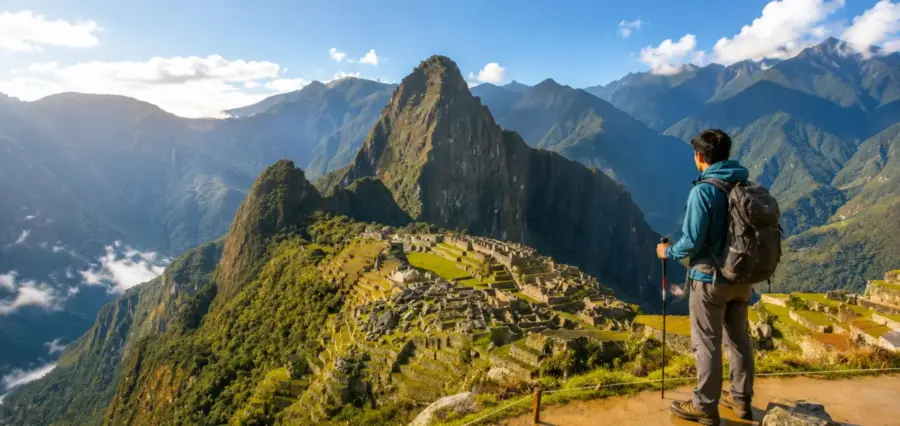
Visiting Chinchero before Machu Picchu allows you to arrive at the citadel with a broader understanding of Andean history and culture. Its terraces, archaeological sites, textile traditions, and community life reveal different ways in which territory, agriculture, architecture, and everyday life are interconnected. This experience helps you understand that Machu Picchu was not an isolated place. The Historic Sanctuary of Machupicchu itself reflects this close relationship between architecture, territory, and landscape, as part of a much broader and more diverse Andean world. Places to Discover in Machu Picchu.
Including Chinchero in your itinerary does not mean choosing between one destination and the other, but rather adding a perspective that enriches the experience. First, you discover an environment where archaeological heritage coexists with local communities, language, and traditional knowledge; then, in Machu Picchu, you can better understand many of the elements you have already encountered in the Sacred Valley. If you plan to visit Machu Picchu in one day after exploring Chinchero, it is advisable to organize your schedule, transportation, and entry circuit in advance to make the most of your day. For this reason, Chinchero serves as an excellent cultural introduction to better understand Machu Picchu and Cusco's historic landscape. This relationship between cultural heritage and the natural environment is also part of the value for which the Historic Sanctuary of Machu Picchu is recognized as a UNESCO World Heritage Site.