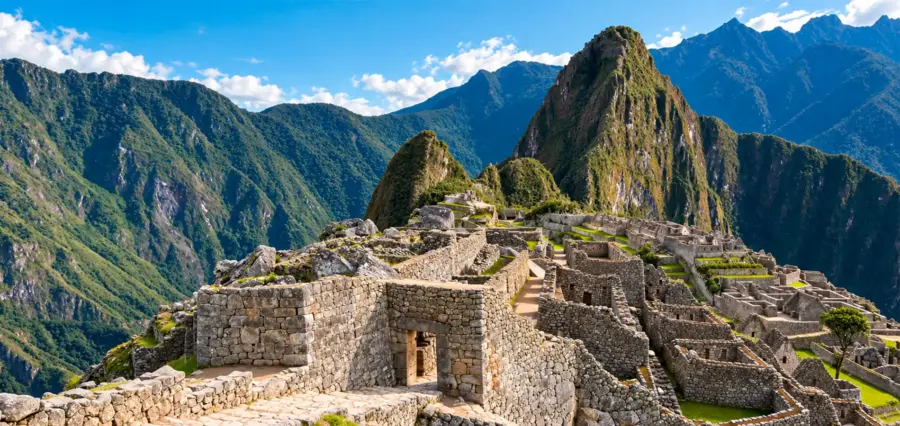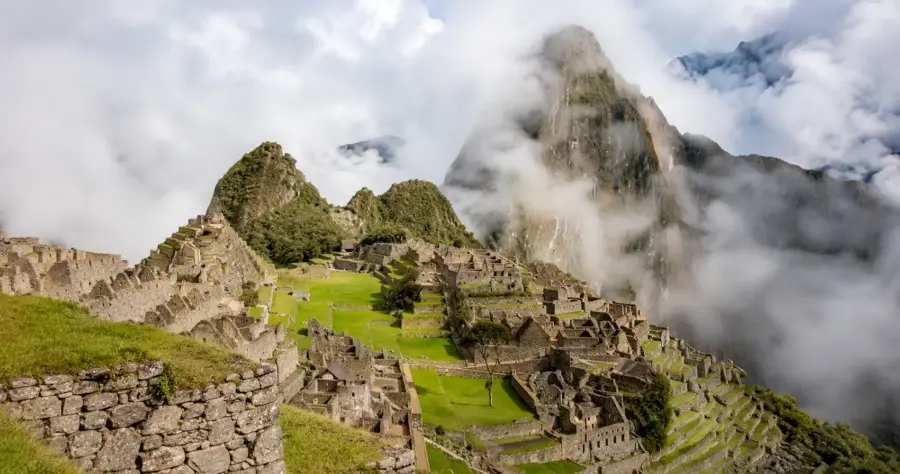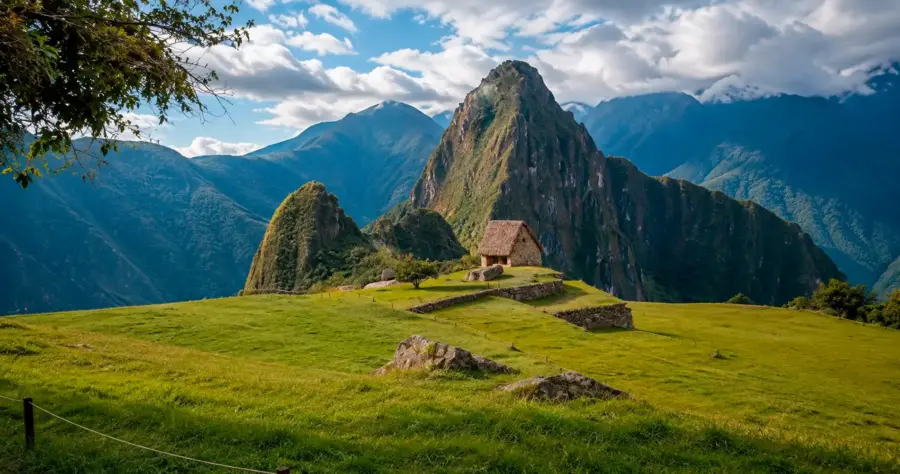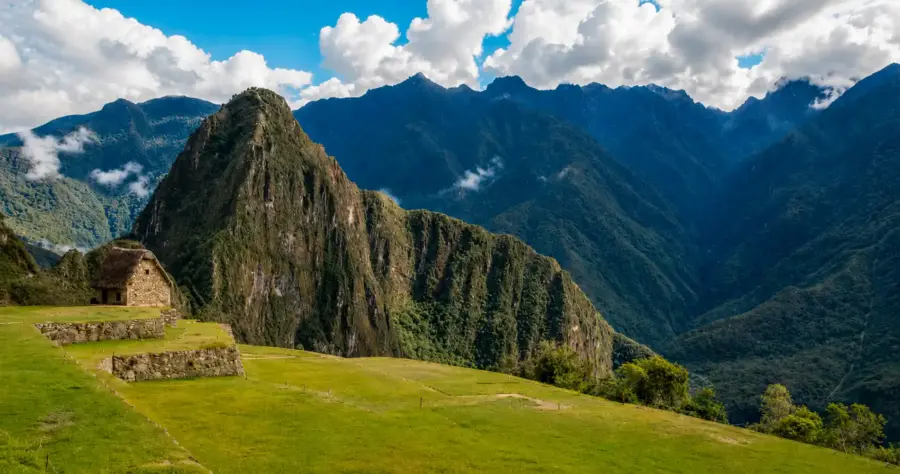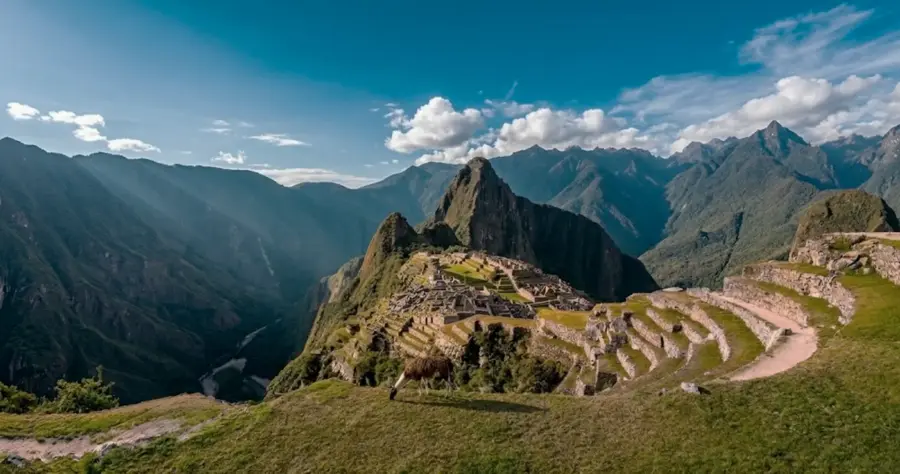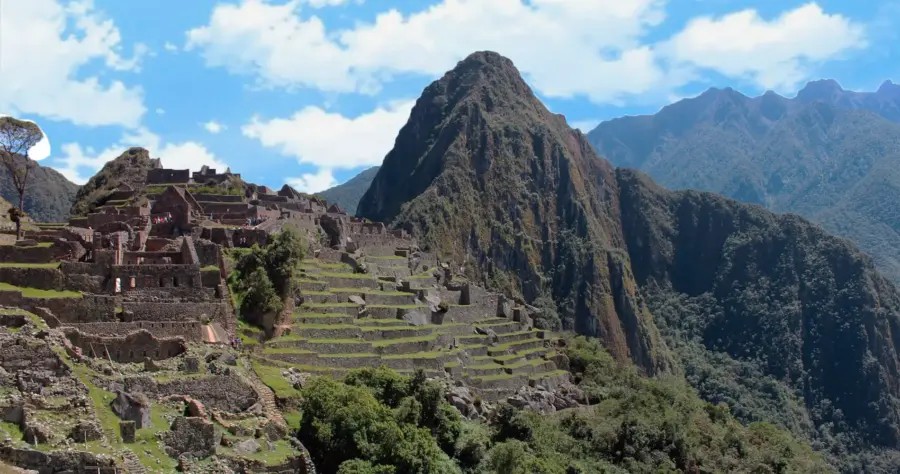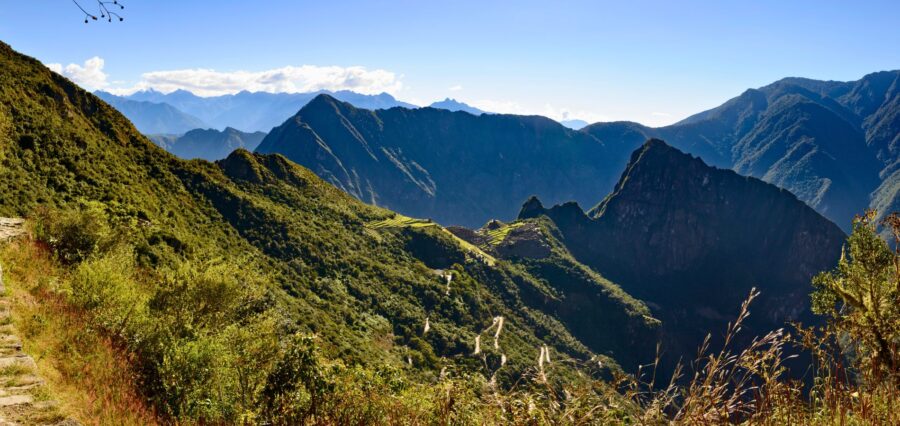

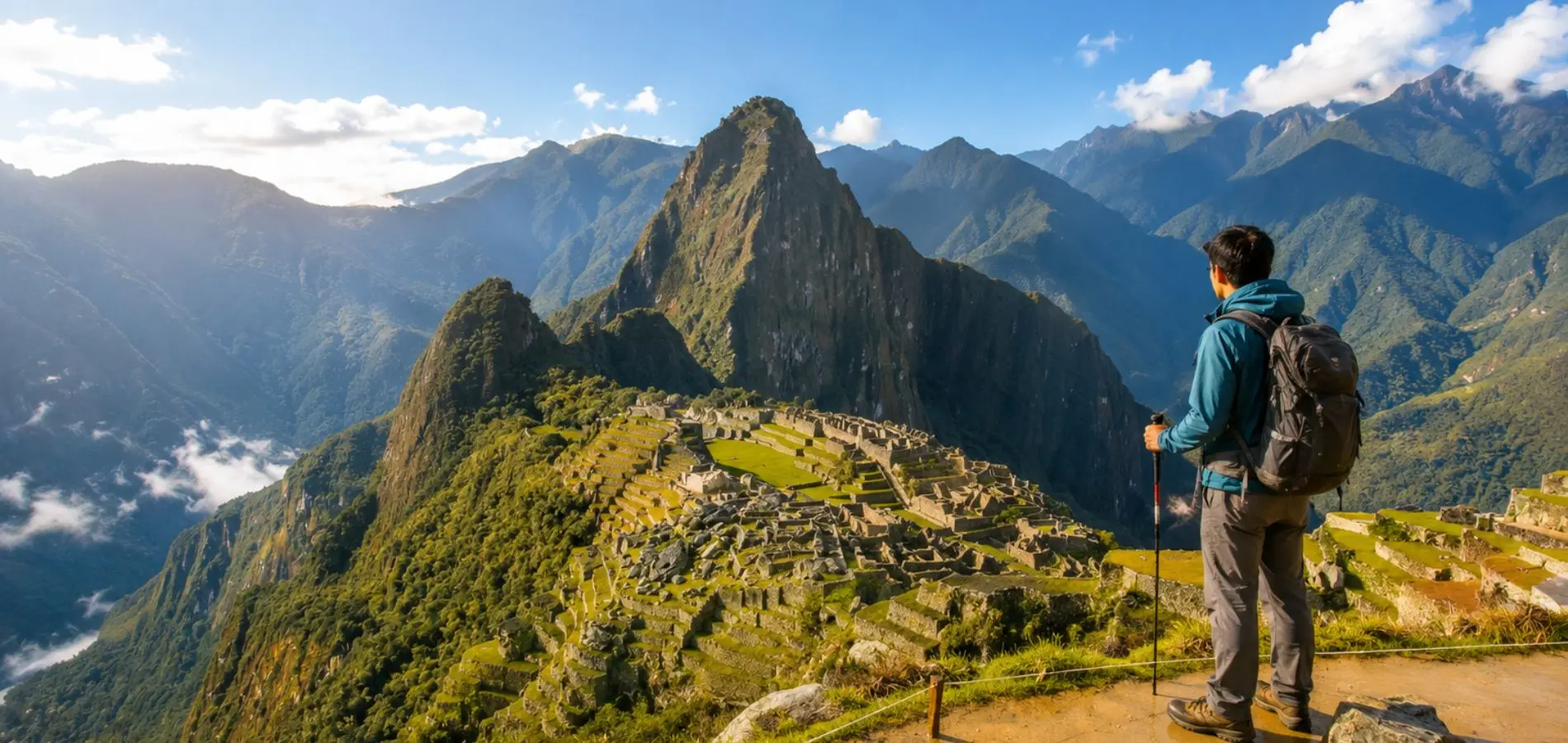
Machu Picchu Mountain is one of the most rewarding hiking experiences for travelers who want to see the famous Inca citadel from a completely different perspective. Rising above the archaeological site, this impressive mountain rewards visitors with panoramic views of Machu Picchu, the surrounding Andean peaks, and the lush valleys that shape this remarkable landscape.
Although Machu Picchu Mountain is higher than Huayna Picchu and the hike takes longer, its trail is generally wider and more gradual, the experience is generally more gradual. Its trail is wider and less steep in many sections, allowing hikers to enjoy the scenery along the way without feeling rushed.
For travelers who enjoy walking, nature, and photography, hiking Machu Picchu Mountain is an excellent way to add a little more adventure to their visit. Reaching the higher viewpoints offers a memorable opportunity to admire Machu Picchu from above and appreciate the dramatic geography of the Andes that surrounds the ancient Inca city.
If you are still deciding between the two hikes, compare Machu Picchu Mountain vs. Huayna Picchu before choosing your ticket.
Machu Picchu Mountain is believed to have formed part of the network of routes used during the Inca period. Rising high above the archaeological site, its privileged location offers sweeping views across the mountains and valleys surrounding the Machu Picchu citadel. From these elevated slopes, it is easy to understand the importance of visibility and the close relationship the Incas maintained with the dramatic Andean landscape.
Today, hiking Machu Picchu Mountain offers travelers a different way to experience this remarkable destination.In addition, hiking Machu Picchu Mountain offers travelers a different way to experience this remarkable destination. As the trail gradually climbs above the citadel, the scenery opens up to reveal panoramic views of Machu Picchu, forested mountain slopes, deep valleys, and the impressive peaks of the surrounding Andes.
Along the route, visitors can enjoy native vegetation and several natural viewpoints before reaching the higher sections of the mountain. More than simply a hike, the experience provides an opportunity to see Machu Picchu from a broader perspective and appreciate the extraordinary natural setting in which the Inca city was built.
| Feature | Huayna Picchu Mountain | Machu Picchu Mountain |
| Location | North of the Machu Picchu citadel | South of the Machu Picchu citadel |
| Altitude | 2,693 meters above sea level | 3,082 meters above sea level |
| Distance | 2 km; elevation gain of 260–300 m | 2 km; elevation gain of 650–680 m |
| Hiking Time | 3 hours (ascent and descent) | 4 hours (ascent and descent) |
| Access | Huayranas sector | Guardian’s House detour |
| Schedules | Group 1: 7:00–8:00 a.m.; Group 2: 8:00–9:00 a.m.; Group 3: 9:00–10:00 a.m.; Group 4: 10:00–11:00 a.m. | Group 1: 7:00–8:00 a.m.; Group 2: 9:00–10:00 a.m. |
| Number of Visitors | 400 people per day | 300 people per day |
| Circuit | Circuit 3 – Waynapicchu Route | Circuit 1 – Machu Picchu Mountain Route |
| Archaeological Attractions | Temple of the Sun, Water Mirrors, and other archaeological attractions | None |
| Restrictions | Only for visitors over 12 years old | For all visitors |
| Difficulty | Medium–High | Medium |
If you are still deciding between Machu Picchu Mountain, Huayna Picchu, or a classic visit to the citadel, you can review all Machu Picchu tours from Cusco and choose the option that best suits your available time, preferred route, and travel style.
Therefore, comparing the distance, altitude and difficulty of both routes can help you choose the most suitable experience.
Machu Picchu Mountain rises to the south of the famous Inca citadel, reaching approximately 3,082 meters above sea level. Its elevated position offers a remarkable perspective over Machu Picchu, with sweeping views of the archaeological site, the deep valleys below, and the dramatic Andean mountains that surround it.
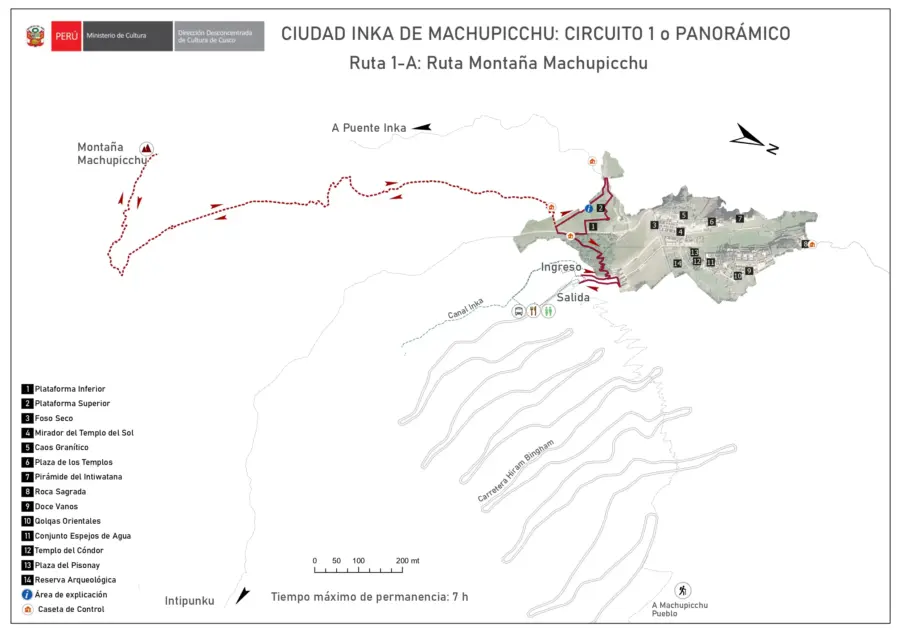
To hike the mountain, visitors need the corresponding Circuit 1 – Machu Picchu Mountain Route ticket. The experience begins in the upper sector of Machu Picchu, where some of the most impressive panoramic views of the citadel can be enjoyed before continuing toward the entrance to the mountain trail.
One of the highlights of this route is the opportunity to admire Machu Picchu from above and capture the classic panoramic view of the Inca citadel. From this elevated area, travelers can appreciate how the ancient city blends naturally into the surrounding mountains and valleys.
For those who prefer to enjoy the experience with all the details organized in advance, our Machu Picchu Mountain Tour combines the visit to the Inca citadel with the hike up the mountain, offering a more complete way to discover Machu Picchu and its spectacular natural surroundings.
The Machu Picchu Mountain hike is a rewarding experience for travelers who want to add a touch of adventure to their visit to the Inca citadel. Compared with Huayna Picchu, the route is generally considered less demanding in terms of steepness. Although the climb is longer and reaches a higher elevation, much of the trail is wider, allowing hikers to maintain a more comfortable pace while enjoying the surrounding scenery.
As the path climbs steadily up the mountainside, the atmosphere gradually changes. The archaeological site begins to appear smaller below, while the surrounding valleys and forest-covered mountains become increasingly prominent. Along the way, hikers are immersed in the natural Andean landscape, with opportunities to stop, rest, and take in the views.
The ascent requires a reasonable level of physical fitness, particularly because of the altitude and the continuous uphill sections. However, there is no need to rush. Taking the hike at a comfortable pace makes it possible to enjoy both the journey and the changing perspectives of Machu Picchu along the route.
The greatest reward comes from the higher sections of the mountain, where the landscape opens into spectacular panoramic views of Machu Picchu and the surrounding Andes. From above, visitors can appreciate not only the scale of the Inca citadel but also its extraordinary location among mountains, valleys, and lush vegetation.
For travelers who enjoy hiking and nature, Machu Picchu Mountain offers much more than reaching a summit. It is an opportunity to experience Machu Picchu from a different perspective, away from the busiest areas of the archaeological site and surrounded by some of the most impressive scenery in the region.
Before booking, it is helpful to understand how difficult hiking at Machu Picchu can be and evaluate your fitness level.
The weather on Machu Picchu Mountain can change surprisingly quickly. Its location in a high-altitude, humid mountain environment means that a cool and cloudy morning can give way to brighter sunshine later in the day. For hikers, being prepared for these changes is an important part of enjoying the experience.
Mornings are usually cool, particularly in the higher sections of the trail, while temperatures can feel considerably warmer when the sun comes out around midday. Clouds, mist, and occasional rain are also part of the mountain environment, especially during the wetter months. These changing conditions can sometimes limit visibility, but they also create the dramatic landscapes that characterize this part of the Andes.
Temperatures around Machu Picchu vary according to the season, time of day, and elevation. As you climb toward the summit, conditions can feel cooler and more exposed, particularly when there is wind, cloud cover, or rain. Wearing light layers and carrying protection from both rain and strong sunlight can make the hike much more comfortable.
Our guide to the best time of year to visit Machu Picchu explains the weather, crowds and availability month by month.
For many travelers, the dry season, generally from April to October, offers favorable conditions for hiking Machu Picchu Mountain. Rainfall tends to be less frequent during this period, and clearer skies can provide better opportunities to enjoy the panoramic views along the trail.
However, this does not mean that every day will be completely dry or sunny. Weather in the Andes can be unpredictable throughout the year, so hikers should always arrive prepared for changing conditions.
The wetter months bring a greater chance of rain, clouds, and mist, which can make sections of the trail more challenging and occasionally obscure the views. Even so, the surrounding vegetation is particularly lush during this period, giving the mountains a different and equally impressive appearance.
If panoramic views and more stable hiking conditions are your priority, planning your visit during the drier months is generally the best choice for hiking Machu Picchu Mountain.
Unlike other routes within the archaeological complex, the Machu Picchu Mountain trail is mainly about nature, hiking, and panoramic scenery. There are no major archaeological attractions along the ascent; instead, the experience allows travelers to gradually leave the citadel behind and immerse themselves in the remarkable mountain environment that surrounds Machu Picchu.
As the trail climbs higher, hikers pass through areas of lush vegetation typical of the cloud forest ecosystem. The Machu Picchu region is particularly well known for its impressive variety of native orchids, which add small bursts of color to the landscape, especially during certain times of the year. Hundreds of orchid species have been recorded within the wider Machu Picchu Historic Sanctuary, making the area especially interesting for travelers who appreciate plants and biodiversity.
Wildlife can also add an unexpected element to the hike. Depending on the season, weather, and a little luck, visitors may encounter butterflies, insects, and different species of birds among the vegetation. Sightings are never guaranteed, but keeping an eye on the forest along the trail can make the journey even more rewarding.
The scenery becomes increasingly impressive as you gain altitude. Between the vegetation, natural viewpoints begin to reveal the deep valleys, surrounding mountains, and eventually spectacular views of Machu Picchu from above. For many hikers, this gradual transformation of the landscape is one of the most memorable parts of the experience.
Access to Machu Picchu Mountain is controlled through specific entrance schedules and a limited number of tickets. For this reason, travelers who want to include the hike in their visit should plan ahead, particularly during the busiest months of the year.
Entrance times are organized into designated groups that determine when visitors can enter Machu Picchu and when they can begin the mountain hike. Arriving at the correct time is important, as access to the trail is regulated and visitors should follow the schedule indicated on their ticket.
Because Machu Picchu Mountain tickets have limited availability, purchasing your entrance in advance is highly recommended if the hike is an important part of your itinerary. This becomes especially important during the high season, when popular routes and entrance times can sell out well before the travel date.
If you already know when you plan to visit Peru, consider securing your ticket several months ahead rather than waiting until you arrive in Cusco. Booking early gives you a better chance of finding the route and schedule that best fits your Machu Picchu itinerary.
Before traveling, always check the current entrance times, ticket conditions, and availability, as Machu Picchu access regulations can be updated by the Peruvian authorities.
If hiking Machu Picchu Mountain is part of your travel plans, you will need to purchase the specific Circuit 1 – Machu Picchu Mountain Route ticket. Since access to the mountain is limited, it is advisable to secure your entrance in advance, particularly during periods of high demand.
This ticket combines two different experiences in a single visit. Before beginning the mountain hike, travelers follow the upper sector of Machu Picchu, an area known for its impressive panoramic perspectives over the Inca citadel and the surrounding Andean landscape.
One of the highlights of this circuit is the opportunity to enjoy the classic panoramic view of Machu Picchu, where the ancient city can be seen framed by Huayna Picchu and the mountains beyond. It is one of the most recognizable perspectives of the archaeological site and an ideal moment to appreciate the remarkable location chosen by the Incas.
Check out the other tours to Machu Picchu here
After exploring the panoramic sector, the route continues toward the entrance to Machu Picchu Mountain. From here, the experience changes from archaeological sightseeing to a mountain hike, with the trail gradually climbing through vegetation toward increasingly impressive viewpoints.
It is important to understand that this ticket is designed primarily for travelers interested in panoramic views and the mountain hike. It does not provide the same access to the lower urban sectors of the citadel as other Machu Picchu circuits. If exploring the archaeological structures at closer range is a priority, you may need to consider a different circuit or an additional entrance, depending on the current regulations.
The complete experience generally requires around four hours, although the actual duration will depend on your walking pace, the time spent at viewpoints, and the conditions on the trail. Rather than rushing to the summit, allow yourself enough time to enjoy the changing scenery and some of the most memorable views of Machu Picchu from above.
Because routes, schedules, and entrance conditions can change, travelers should always check the current Machu Picchu ticket regulations before booking.
Choosing between Machu Picchu Mountain and Huayna Picchu depends on the type of experience you want to have. Both hikes offer extraordinary views of the Inca citadel and the surrounding Andes, but the trails, altitude, scenery, and physical challenge are quite different.
Huayna Picchu, the iconic mountain that rises behind Machu Picchu in the classic photographs, is located north of the citadel and reaches approximately 2,693 meters above sea level. Machu Picchu Mountain, on the other hand, rises to the south and reaches approximately 3,082 meters, offering a much higher perspective over the archaeological site and the surrounding valleys.
Machu Picchu Mountain is one of the peaks surrounding the famous Inca citadel and one of the hiking routes available to visitors. Although it does not appear as prominently as Huayna Picchu in the classic photographs, its greater elevation offers spectacular panoramic views of Machu Picchu, the surrounding valleys, and the Andean landscape.
The dry season, generally from April to October, is one of the best periods for hiking Machu Picchu Mountain. Rainfall tends to be less frequent during these months, which can provide more comfortable trail conditions and better opportunities for clear panoramic views. However, mountain weather can change quickly at any time of year.
Machu Picchu Mountain is located south of the Machu Picchu citadel. Its summit reaches approximately 3,082 meters above sea level, placing hikers well above the archaeological site and providing a remarkable perspective of the surrounding mountains and valleys.
Yes. Access to Machu Picchu Mountain is limited and requires a specific entrance ticket, so booking in advance is highly recommended. If you are traveling during the busiest months or already have fixed travel dates, purchasing your ticket several months ahead can give you a better chance of finding availability.
The time required depends on your walking pace, fitness level, weather conditions, and how often you stop along the way. Travelers should allow several hours for the complete hiking experience, including the ascent, time to enjoy the viewpoints, and the descent.
Age requirements can depend on the current Machu Picchu entrance regulations. Families traveling with children should check the latest official conditions for the Machu Picchu Mountain route before purchasing their tickets. Regardless of age, visitors should consider the altitude, duration, and continuous uphill sections of the hike.
Yes. The Circuit 1 – Machu Picchu Mountain Route is designed to combine panoramic areas of Machu Picchu with the mountain hike during the same visit. Keep in mind that this ticket follows a specific route and does not provide access to every sector of the archaeological site.
Older adults can hike Machu Picchu Mountain if their physical condition allows them to comfortably manage the altitude and sustained ascent. Although the trail is generally wider and less steep than Huayna Picchu, the hike is still physically demanding and should not be considered an easy walk.
Travelers should take their time, maintain a comfortable pace, and consider their personal fitness and hiking experience before choosing this route.