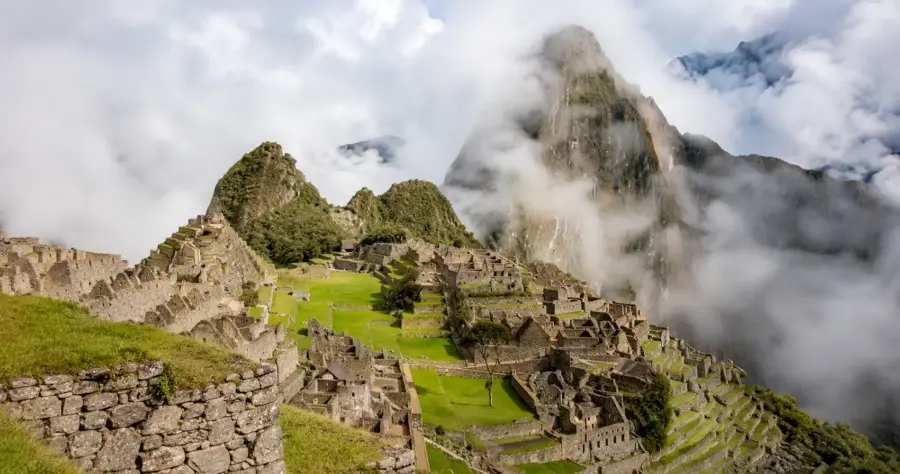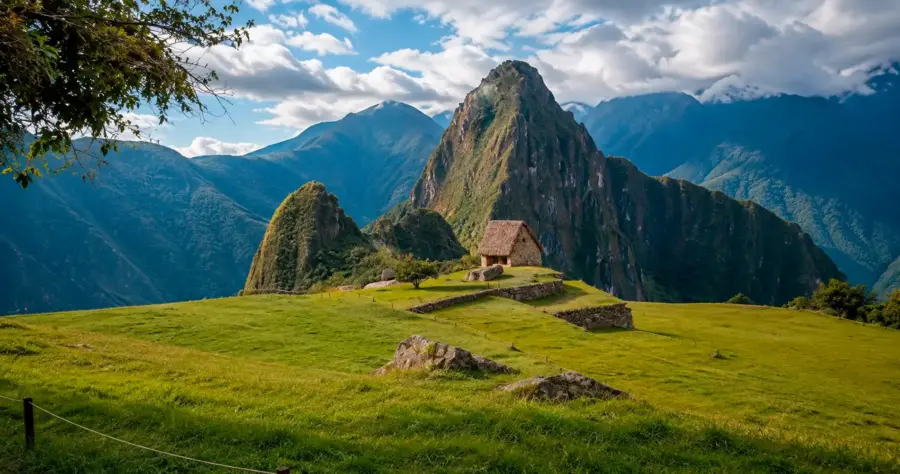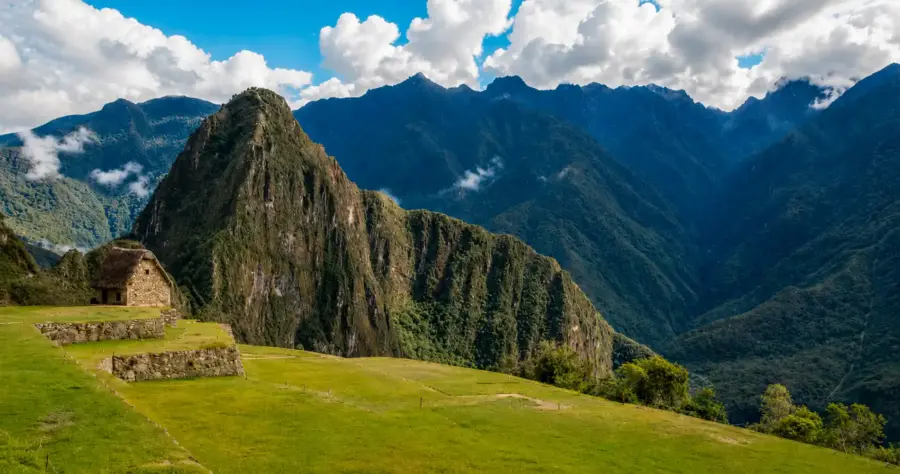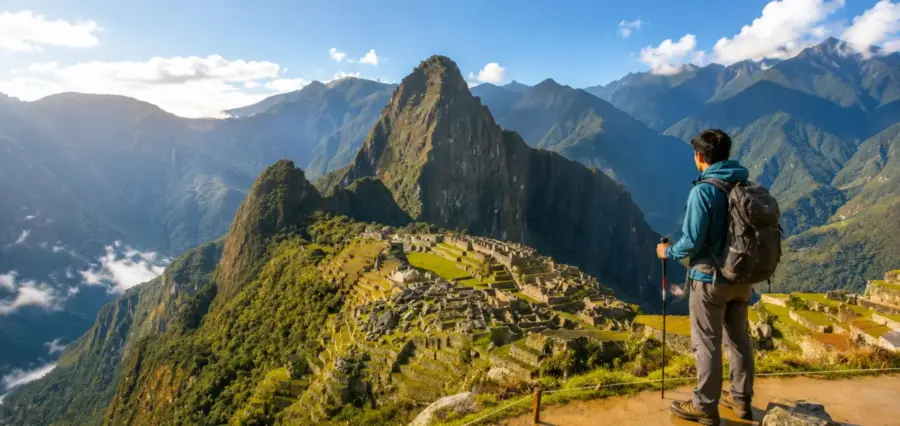

Yes, there can be mosquitoes and other biting insects in and around Machu Picchu, but their presence varies by location and conditions. They tend to be more noticeable in lower, warmer, humid, and densely vegetated areas such as Aguas Calientes and lower cloud-forest trails, especially during wetter months. At the archaeological site, exposure may be more limited but is still possible. Packing insect repellent and lightweight clothing that covers the skin is a sensible precaution. The presence of biting insects does not, by itself, indicate a specific mosquito-borne disease risk.
Yes. Mosquitoes and other small biting insects can be present around Machu Picchu. Conditions are not identical throughout the destination: insects are generally more noticeable in lower and more humid places with dense vegetation, while the archaeological site, Aguas Calientes, Cusco city, and the different sections of the Inca Trail each have distinct environments. Carrying repellent is a reasonable travel precaution.
Altitude, temperature, moisture, and vegetation affect where biting insects are more noticeable. “Machu Picchu” should not be treated as one uniform environment.
| Area | Environment | Relative likelihood of biting insects | Traveler precaution |
|---|---|---|---|
| Machu Picchu archaeological site | Mountain setting with exposed and vegetated sections | Variable; generally less noticeable than in lower, wetter areas | Carry repellent and keep it available during the visit |
| Aguas Calientes / Machu Picchu Pueblo | Lower, warmer, humid, and close to the Urubamba River | More noticeable, particularly near vegetation and water | Use repellent and choose screened accommodation when appropriate |
| Inca Trail | Multiple elevations and ecosystems | Variable; potentially more noticeable in humid, lower sections | Pack repellent, long sleeves, and long trousers |
| Lower cloud-forest areas | Warm, shaded, humid, and densely vegetated | More noticeable | Use consistent bite-prevention measures |
| Cusco city | Higher, cooler, and more urban than Aguas Calientes | Generally lower than in humid cloud-forest areas | Do not assume conditions are the same as at Machu Picchu Pueblo |
Aguas Calientes, also called Machu Picchu Pueblo, lies below the archaeological site and has warmer, more humid conditions. Biting insects may therefore be more noticeable around riverside vegetation, gardens, and shaded areas. Travelers continuing from Aguas Calientes to Machu Picchu should keep repellent accessible rather than packed deep inside their luggage.
The Inca Trail crosses different elevations and habitats, so insect exposure can change along the route. Lower cloud-forest sections can be warmer, wetter, and more vegetated than high passes. Repellent, breathable clothing that covers the skin, and the practical preparation described in these tips for hiking the Inca Trail are useful for trekkers.
Biting insects can occur at any time, but wetter and more humid conditions generally make them more noticeable. Season is only one factor: elevation, recent rainfall, vegetation, and the exact route also influence exposure. For broader trip planning, compare the best time to visit Machu Picchu and what it is like visiting Machu Picchu in the rain.
| Season | Typical conditions | Insect activity | Practical advice |
|---|---|---|---|
| Rainy season | Wetter, cloudier, and more humid | Often more noticeable, especially in lower vegetated areas | Keep repellent accessible and wear light layers that cover exposed skin |
| Dry season | Generally drier, with cooler mornings and evenings | Often less noticeable but not absent | Still carry repellent for shaded, riverside, and cloud-forest areas |
Bringing insect repellent is advisable, particularly if your itinerary includes Aguas Calientes, the Inca Trail, Mandor, Hidroeléctrica, or other humid and vegetated areas. Public-health guidance recognizes active ingredients such as DEET and picaridin for bite prevention. Follow the product label and current health guidance, and avoid applying repellent to irritated or broken skin. The CDC guidance on preventing mosquito bites while traveling provides current general precautions.
Combine these items with the broader checklist of what to take to Machu Picchu. Avoid relying only on clothing or only on repellent when visiting lower cloud-forest sections.
Most insect bites cause temporary itching, redness, or localized swelling. Avoid scratching, gently clean the area, and monitor how you feel. Seek professional medical advice if symptoms are significant or persistent, or if you develop widespread swelling, breathing difficulty, fever, rash, severe pain, or signs of infection. A healthcare professional or pharmacist can advise on suitable symptom relief for your individual circumstances.
The presence of mosquitoes or other biting insects does not mean that every bite carries a disease risk. Malaria, dengue, and Zika have different transmission patterns and should not be treated as the same condition. Current CDC Travelers’ Health guidance for Peru states that there is no malaria transmission in the highland tourist area of Machu Picchu. Conditions and health notices elsewhere in Peru can differ, so travelers should check current official advice for their complete itinerary, especially if they will also visit lower-elevation tropical areas.
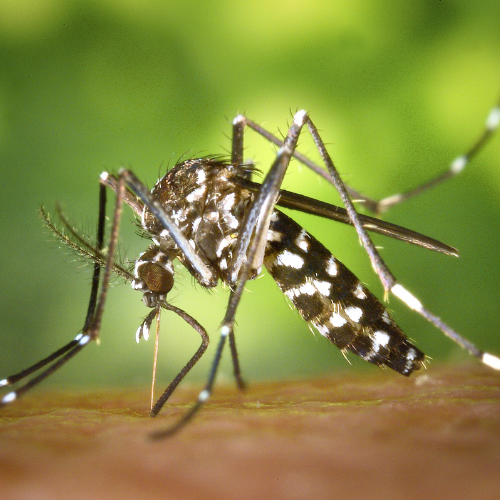
Yes. Mosquitoes and other biting insects can occur in and around Machu Picchu. They are usually more noticeable in lower, warmer, humid, and vegetated areas than at exposed or higher locations.
Conditions vary by season, weather, and location. Some travelers notice few insects at the archaeological site, while Aguas Calientes and lower cloud-forest trails can have more noticeable biting-insect activity.
They are generally more noticeable during wetter, more humid conditions and in shaded, vegetated, lower-elevation areas. They can still be present during the dry season.
Yes, packing repellent is a sensible precaution, especially for Aguas Calientes, the Inca Trail, and lower cloud-forest areas. Use it according to the product label.
Biting insects may be more noticeable in Aguas Calientes because it is lower, warmer, more humid, and close to river and forest vegetation.
Current CDC guidance lists Machu Picchu among Peru’s highland tourist areas with no malaria transmission. Travelers visiting other parts of Peru should check current official advice for every destination on their itinerary.