
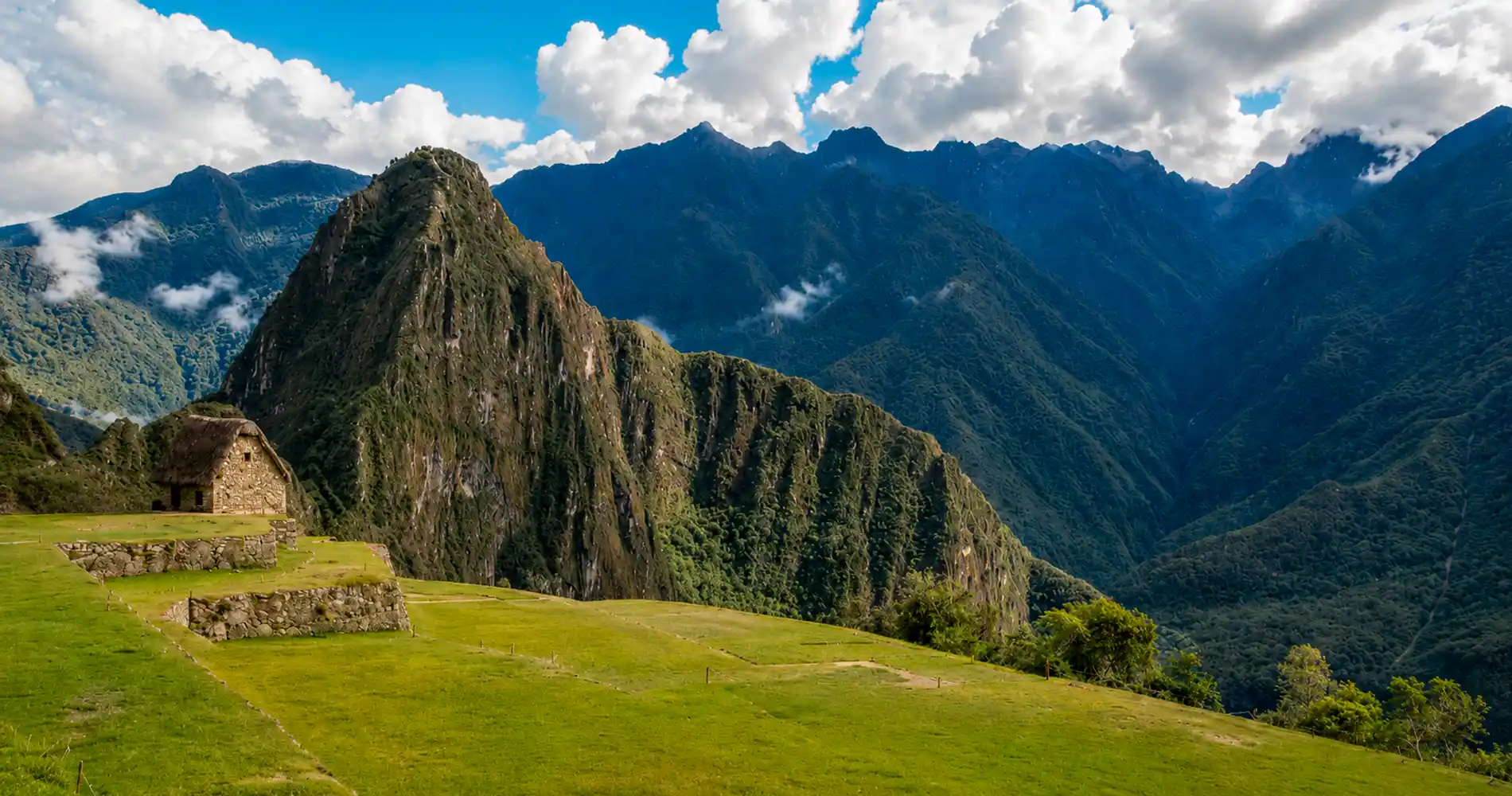
Traveling to Machu Picchu from Colombia involves combining a flight, road transfers, and a train journey, but the route is simpler than it may seem. The key is to reach Cusco first; depending on the airline and travel date, the itinerary may include a connection, for example in Lima. From Cusco, the usual route continues toward the Sacred Valley and Ollantaytambo, from where trains depart for Aguas Calientes, the town located at the foot of Machu Picchu.
Once in Cusco, the journey can continue through the Sacred Valley to Ollantaytambo, one of the main departure points for trains to Aguas Calientes. From there, the final section is completed by bus or on foot to the entrance of Machu Picchu. More than simply a sequence of different forms of transportation, this route allows you to gradually discover the geography, history, and Andean culture before reaching the citadel. If you want to compare the different routes available, check out our guide on how to get to Machu Picchu.
| Key aspect | Main information |
| Entry requirements | Valid Colombian ID card for tourism, no visa required. |
| Usual route | Colombia → Cusco (with a connection depending on the itinerary) → Ollantaytambo → Machu Picchu Pueblo. |
| Acclimatization | It is advisable to allow time to adapt to the altitude before undertaking strenuous activities. |
| Climate | From April to October, rainfall is generally less frequent; between November and March, it is more common. |
| Access to Machu Picchu | Train to Machu Picchu Pueblo, followed by a bus ride or hike to the entrance. |
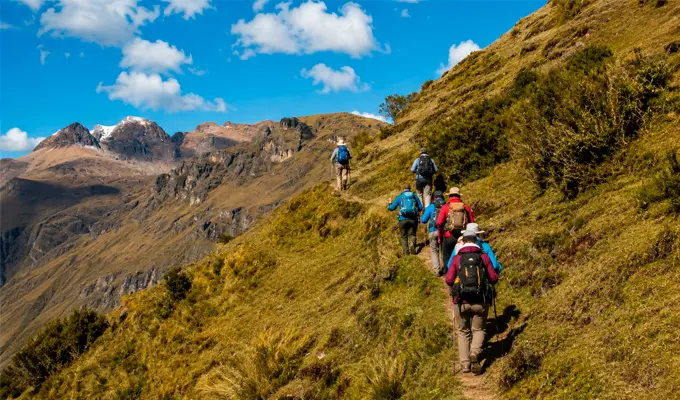
For Colombian travelers, Machu Picchu is a relatively accessible destination within South America. There are air travel itineraries between Colombia and Cusco, with connections varying depending on the airline, travel date, and selected flight. From Cusco, the journey continues by road and train toward the Sacred Valley, Ollantaytambo, and Machu Picchu Pueblo, making it possible to organize the trip without intercontinental travel or excessively long flights.
Another advantage of traveling to Machu Picchu from Colombia is that the visit can easily be incorporated into a broader trip through Peru. Depending on the time available, you can combine the citadel with Cusco and the Sacred Valley, and even add a stay in Lima if it is part of your itinerary. This way, the trip is not limited to visiting Machu Picchu alone, but also allows you to experience different landscapes, archaeological sites, and cultural experiences along the same journey.
For many travelers departing from Colombia, Lima can serve as a connection point before continuing to Cusco. However, not all itineraries follow the same route: the stopover depends on the departure city, airline, travel date, and flight conditions. For this reason, it is advisable to check the complete itinerary of your ticket before arranging transfers or additional nights in the capital.
If your itinerary includes a long stopover or a stay in Lima, you can take the opportunity to explore part of the city before continuing toward the Andes. The historic center, the cliffs overlooking the Pacific, and its gastronomy are some of its main attractions. From Lima, flights to Cusco allow you to continue along the route toward the Sacred Valley and Machu Picchu, making the capital a complementary stop on your journey rather than simply a connection point.
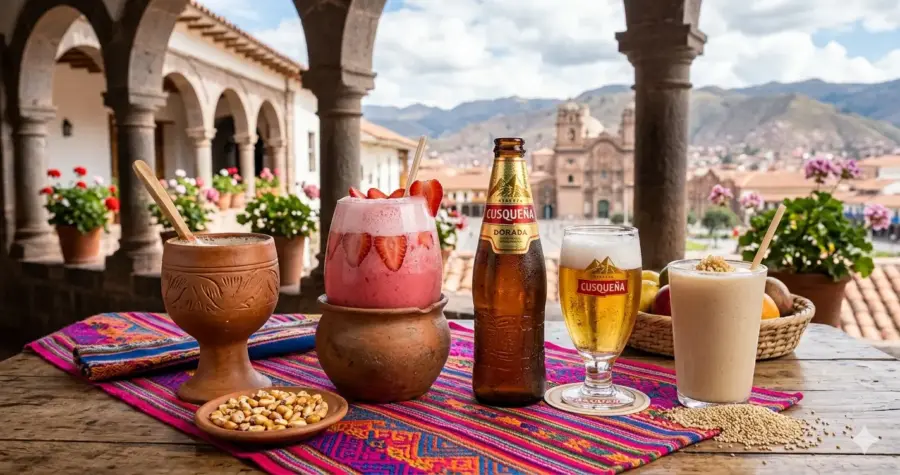
Cusco, located at around 3,400 meters above sea level, is the main connection point for continuing toward the Sacred Valley and Machu Picchu. In addition to its logistical role, the city allows you to experience firsthand the combination of Inca and colonial architecture that characterizes its historic center, with places such as the Plaza de Armas, San Blas, and Qorikancha. To learn more about the main routes, stations, and connections, check how to get to Machu Picchu from Cusco.
The altitude can be particularly noticeable during the first hours or days, so it is advisable to take things slowly and avoid strenuous activities when you arrive. The time needed to acclimatize varies from person to person, but allowing some time before undertaking demanding hikes can make the journey more comfortable. While you acclimatize, you can explore Cusco at a relaxed pace or continue toward lower-altitude areas of the Sacred Valley before heading to Machu Picchu.
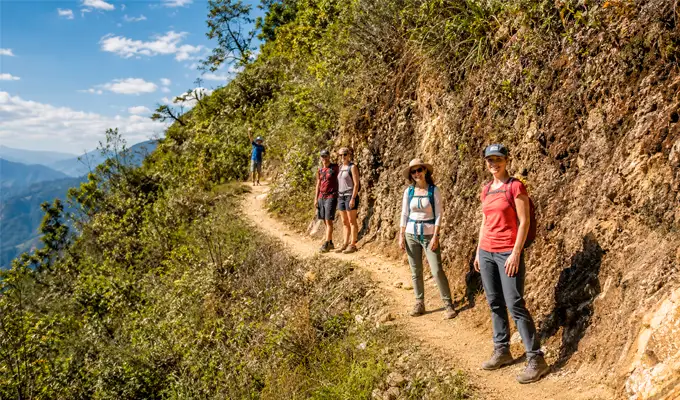
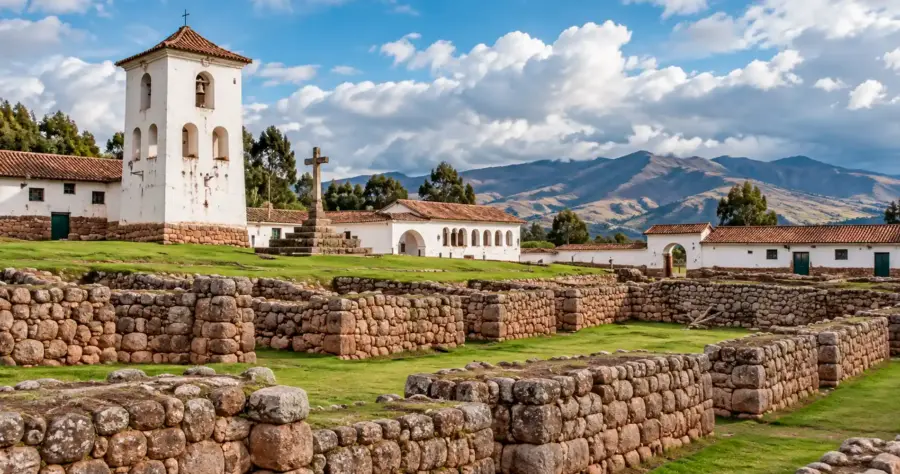
When leaving Cusco toward Machu Picchu, one of the most common routes passes through the Sacred Valley of the Incas. This corridor brings together mountain landscapes, agricultural terraces, traditional communities, and archaeological sites that help provide a better understanding of the region’s geographical and historical context before continuing toward Machu Picchu.
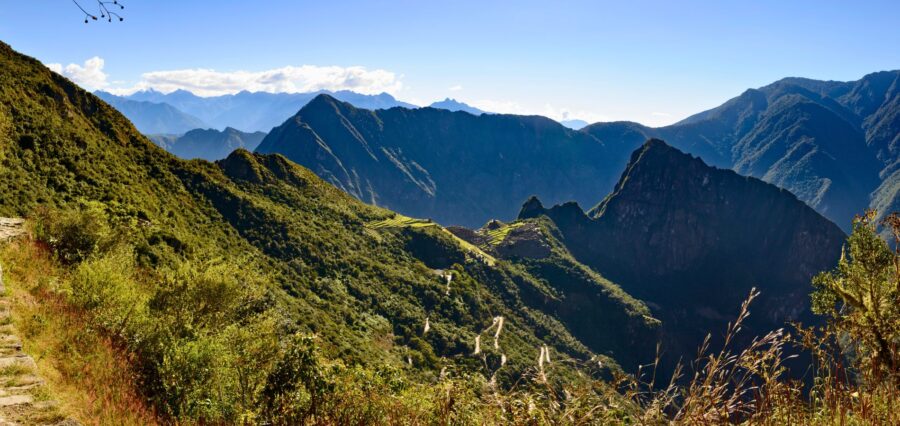
The itinerary may include stops in Pisac, Urubamba, or Ollantaytambo, depending on the route. If you would like to spend more time in the latter, you can check our guide on what to do in Ollantaytambo. Ollantaytambo is also one of the main railway points in the Sacred Valley for traveling to Machu Picchu Pueblo (Aguas Calientes). If you still do not know which service to choose, you can check our guide to choosing a train to Machu Picchu based on your budget and the type of experience you are looking for. From its station, trains follow the Urubamba River valley, and the landscape gradually changes as the route descends toward a more humid area with denser vegetation. For this reason, this section serves a dual purpose: it connects the Sacred Valley with Machu Picchu and allows you to observe the transition from the Andean landscape to the cloud forest environment.
Aguas Calientes, or Machu Picchu Pueblo, as it is officially known, is the final stop before coming face to face with the ruins.
The change in the landscape when you arrive here is striking. You leave behind the dry and cold environment of the Andean Cusco and move into a lush, humid, and almost jungle-like environment, with towering mountains surrounding the town and covered in intense green vegetation. Once you reach the town, you are already at the doorstep of your destination. To climb to the entrance of the sanctuary, most visitors take the buses that go up the mountain, although if you are in good shape and like the idea of a physical challenge, you can also make the entire ascent on foot through the vegetation. From Machu Picchu Pueblo, the most commonly used option for reaching the main entrance is the bus; it is also possible to walk up along the designated trail. If you want to learn more about both alternatives, check our guide on how to get from Aguas Calientes to Machu Picchu.
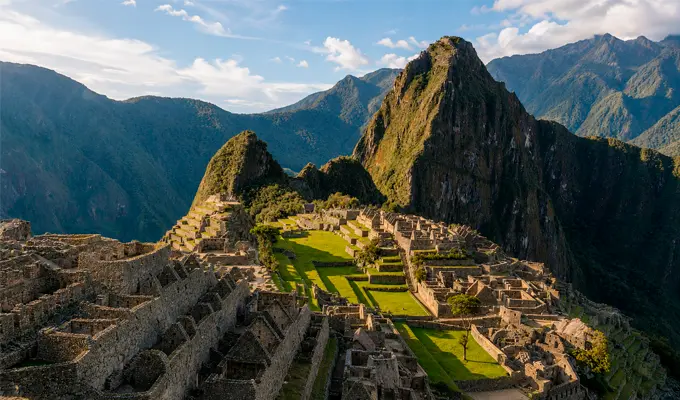
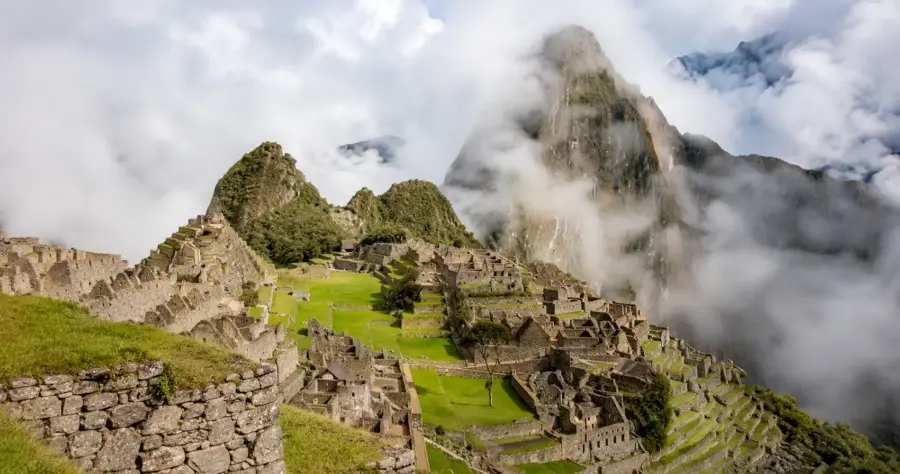
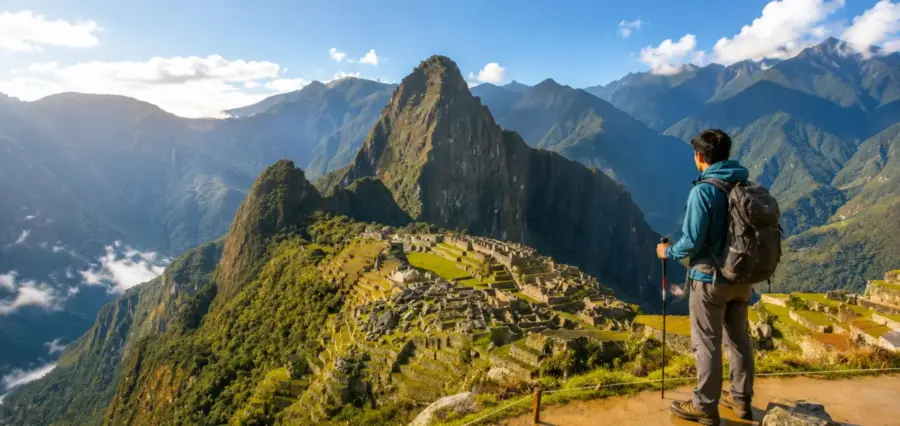
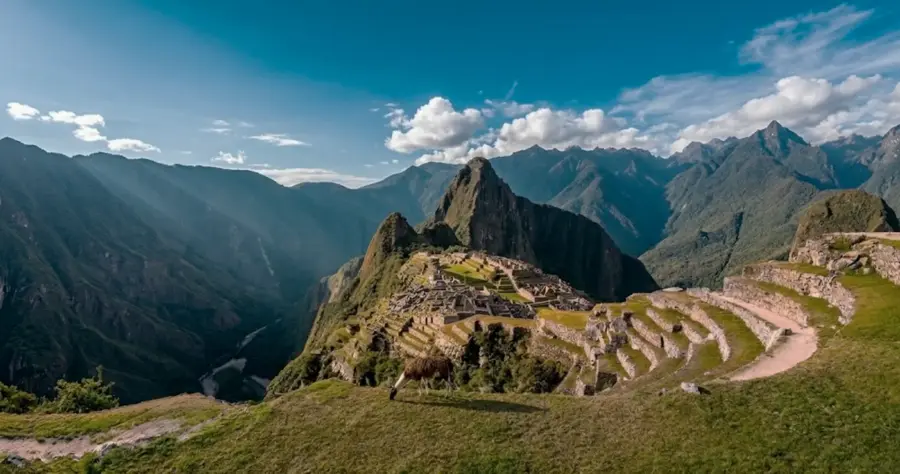
And finally, that moment you have been imagining throughout the entire journey arrives: looking out and seeing Machu Picchu emerge among the clouds.
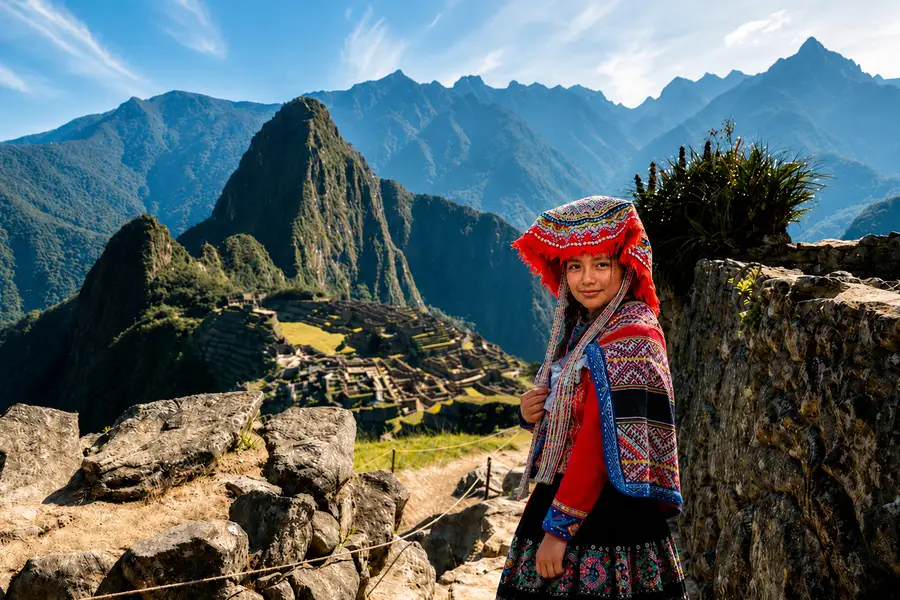
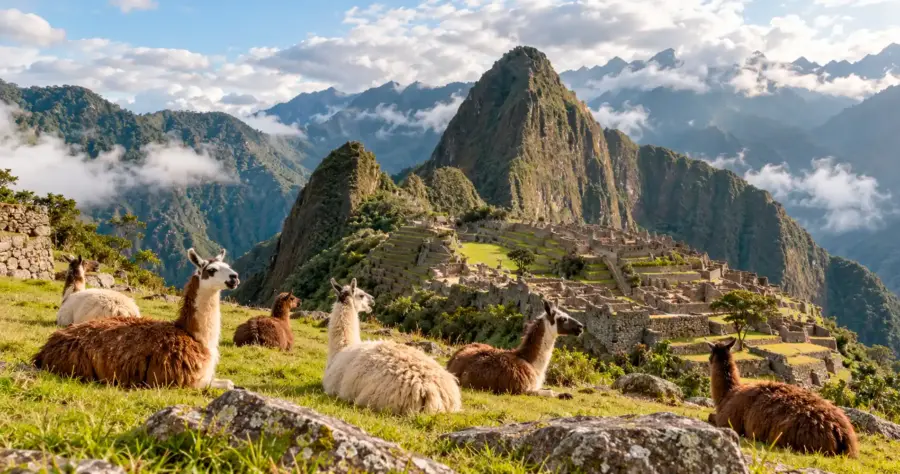
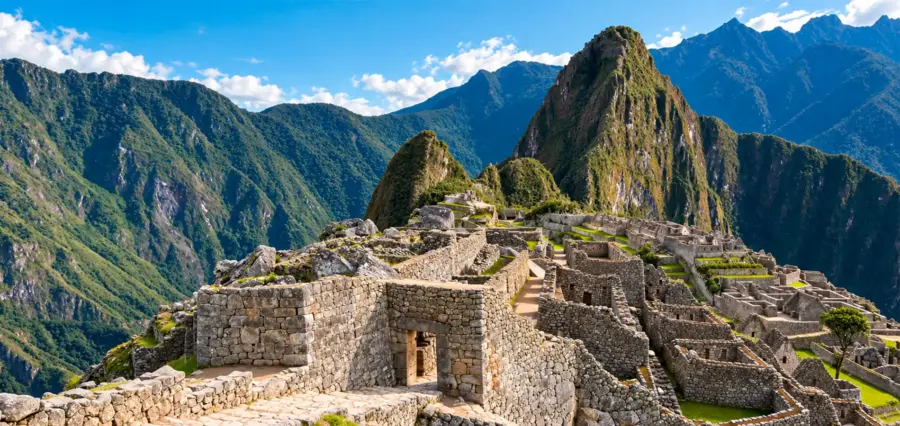
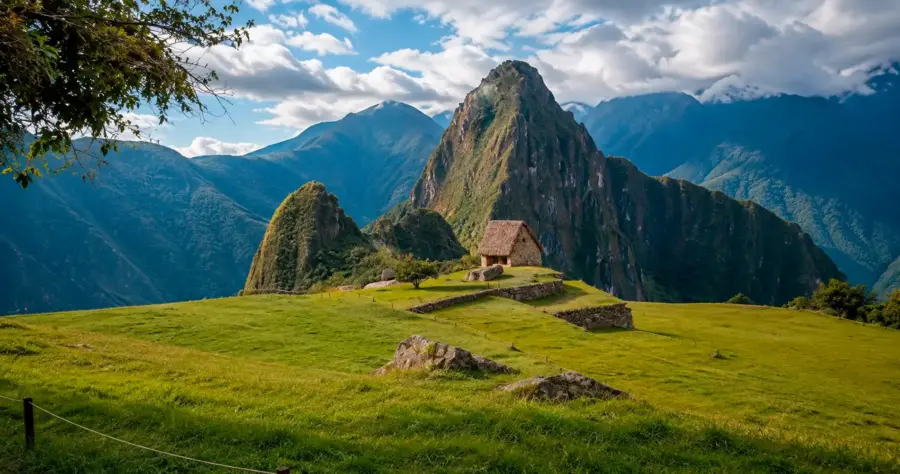
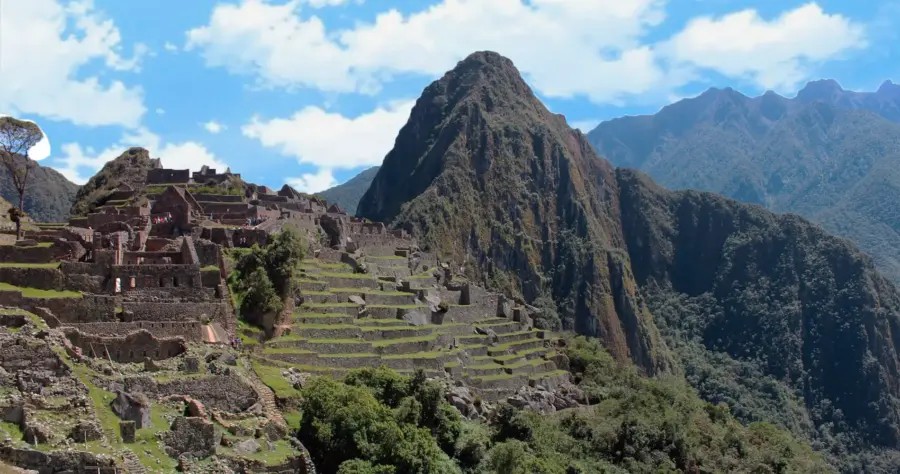
Located at around 2,430 meters above sea level, Machu Picchu is part of the Historic Sanctuary of Machu Picchu, recognized by UNESCO as a World Heritage Site for its cultural and natural values. Machu Picchu preserves residential sectors, plazas, ceremonial enclosures, and agricultural terraces distributed along a mountain ridge. Its stone structures show a precise adaptation to the terrain, while the cloud forest environment influences humidity, vegetation, and visibility across the landscape. Exploring the site provides a better understanding of how Inca planning brought together architecture, social functions, and natural conditions within the same space. If you want to learn more about the main sectors you can visit during your tour, check our guide to the must-see places in Machu Picchu.
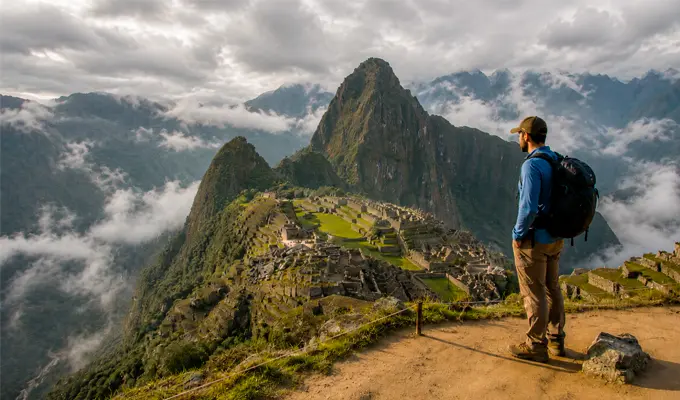
Ultimately, the amount of time you dedicate to the trip depends on how much you want to include in your itinerary.
If you are short on time and your main goal is to see the citadel, you can put together a short and direct itinerary covering Lima, Cusco, and Machu Picchu. However, if you can add a couple of extra days, the experience changes completely: you can make the journey without rushing and include stops in the Sacred Valley that are well worth visiting. In addition, staying a few extra nights in Cusco gives you time to explore the surrounding area at a relaxed pace, including Sacsayhuamán, Q'enqo, and Tambomachay, which are located nearby. And if you have a longer vacation, Machu Picchu can become just the highlight of a much broader journey, where you can add the historic mansions of Arequipa, the vastness of Lake Titicaca in Puno, the beaches of Paracas, or even venture deep into the Amazon.
Machu Picchu welcomes travelers throughout the year, but the weather varies considerably depending on when you visit. Before traveling, it is also advisable to check the weather conditions in Cusco published by SENAMHI, especially if you plan to go hiking or take part in outdoor activities.
The dry season runs roughly from April to October and is usually the preferred period for many travelers because it generally offers clearer days and drier trails for walking comfortably both in Cusco and around the ruins. However, the rainy season, which begins between November and March, also has its appeal and should not necessarily be ruled out. During these months, the landscape becomes intensely green, while the mist that often floats among the mountains gives the citadel a distinctive atmosphere. Ultimately, it is not about obsessing over a "perfect" date, but about choosing the season that best suits the type of trip you want and the landscapes you would like to see. Machu Picchu can be visited throughout the year, although rainfall, cloud cover, and humidity vary depending on the season. Therefore, the best time depends on whether you prioritize days with a lower chance of rain or greener landscapes. If you want to compare the different months in more detail, check our guide to the best time to travel to Machu Picchu.
When it comes to travel requirements, traveling from Colombia to Peru is relatively straightforward. Thanks to the agreements of the Andean Community, you do not even need to worry about getting a passport if you do not want to: simply presenting a valid Colombian national ID card, either the physical yellow card or the digital version, is sufficient for entry. Andean regulations provide for an initial stay of 90 days as a tourist, with the possibility of requesting an extension of up to an additional 90 days, without exceeding 180 days within the same year, in accordance with the Andean Migration Statute.
You also do not need to apply for a visa or deal with complicated procedures if you are traveling for tourism, as you are granted a permit of up to 90 days upon entering the country. That said, as with any immigration control, it is always a good idea to have your return ticket to Colombia and hotel reservations readily available, and to make sure your documents are valid, in order to avoid any complications at the airport.
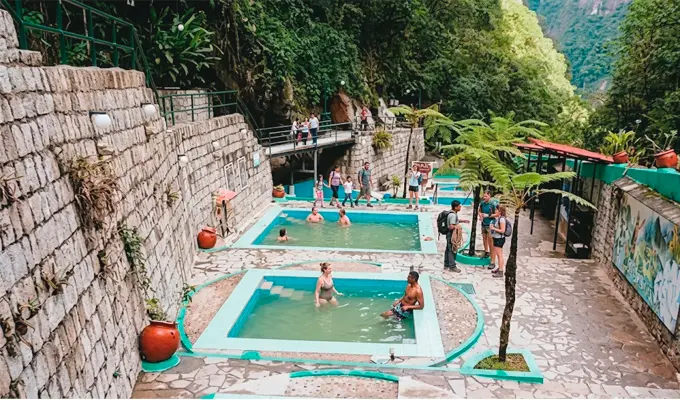
Both options are completely valid, and it all depends on what type of traveler you are.
If you like having complete control, planning the trip yourself gives you the freedom to choose where to stay, when to travel, and what to do each day. However, keep in mind that traveling to Machu Picchu requires some logistics: you need to coordinate flight, bus, and train schedules, as well as timed entry tickets and guides, so it requires careful planning in advance. On the other hand, booking a package from Colombia takes all that organization off your shoulders. Having the logistics already arranged can be a huge help, especially if it is your first time in Peru or if you simply prefer not to deal with the details of organizing the trip and instead focus on enjoying the experience. In addition, most of these programs already offer comprehensive itineraries that combine the citadel with Cusco, the Sacred Valley, and other destinations in the country.
Ultimately, embarking on this journey from Colombia means much more than taking a couple of flights to snap the typical postcard photo at the famous ruins. It is a complete journey that takes you through the soul of the Andes, connecting two countries that share much more than you might imagine.
Each part of the journey adds something to the memories: that first encounter with the energy and flavors of Lima, the cool charm and historic stone streets of Cusco, the sense of peace as you travel through the villages of the Sacred Valley, and the experience of taking the train along the course of the Urubamba River to Aguas Calientes. That is why, when you finally stand in front of the citadel, you realize that the destination is extraordinary, but the true journey was everything you experienced along the way.