
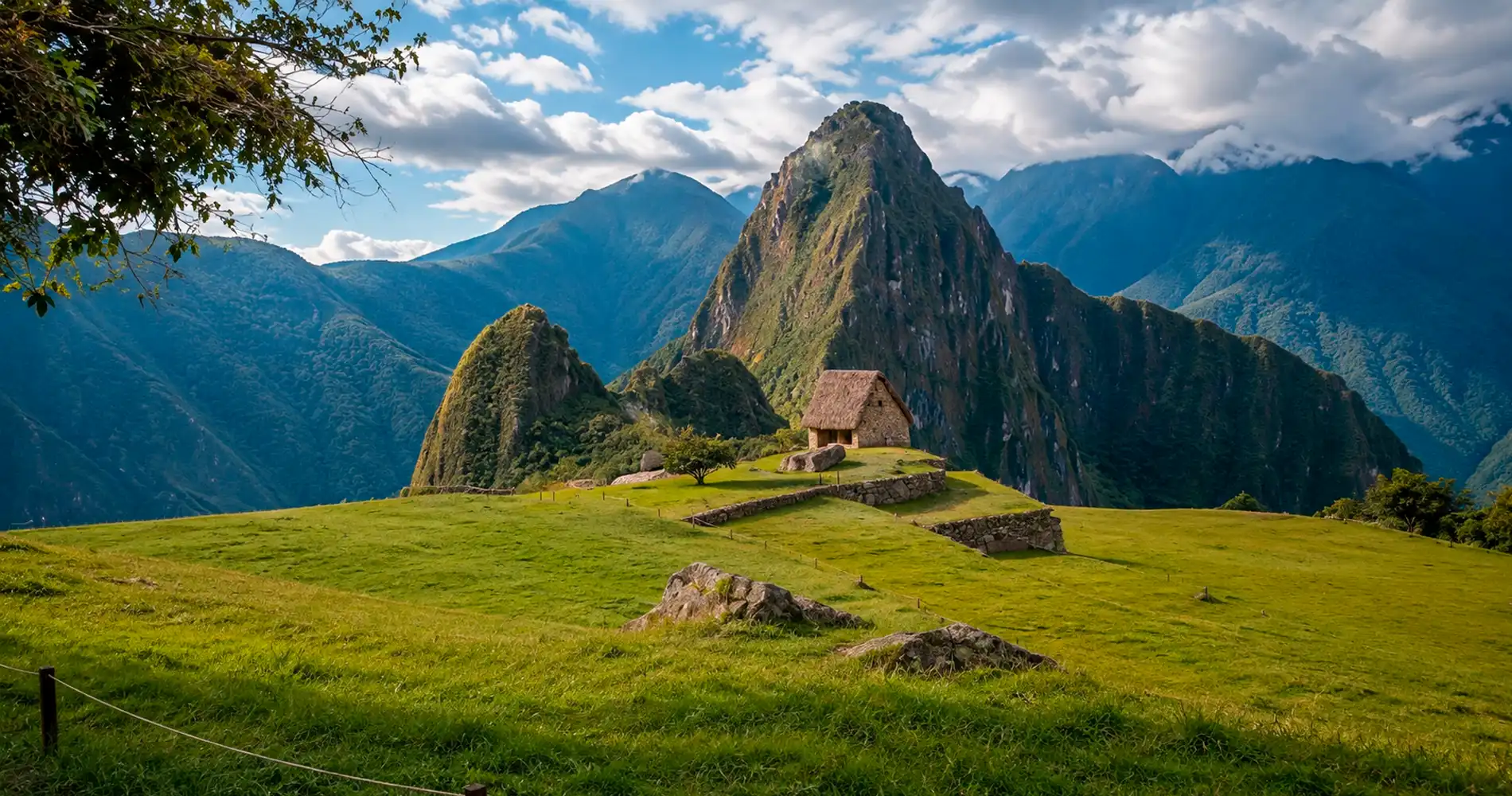
For many travelers, reaching Machu Picchu after several days of hiking and nights at a campsite is part of the adventure. That is why it is common to wonder whether it is possible to camp near Machu Picchu and what options are available around the route to the Inca citadel.
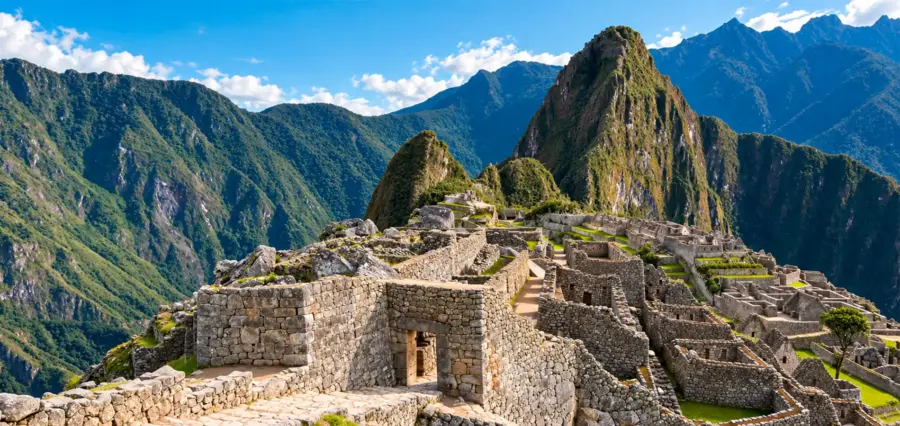
The short answer is yes, but not freely or inside the Machu Picchu llaqta. Setting up tents or spending the night inside the archaeological site is not permitted, and in protected areas, visitors must respect the designated areas and established routes.
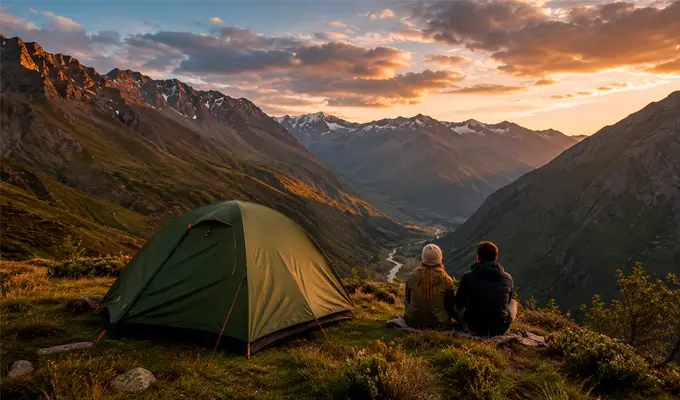
The clearest options for a camping experience are on trekking routes with organized campsites, such as the Inca Trail and Salkantay Trek. On these routes, spending the night in a tent is part of the itinerary and allows you to enjoy the Andean landscape before continuing to Machu Picchu. In this article, we explain where it is possible to camp, what restrictions apply, and what you should consider before planning your route.
| Aspect | Key Information |
|---|---|
| Is camping allowed? | Yes, but not inside the Machu Picchu llaqta or freely in protected areas. Camping must take place in designated spaces or as part of organized routes. |
| Clearest options | The Inca Trail and Salkantay Trek are the best-known routes where spending the night at a campsite can be part of the itinerary. |
| Other routes and access points | Alternatives such as Hidroeléctrica, Lares, or Huchuy Qosqo require you to check in advance where overnight stays are permitted and what services are available. They should not be assumed to be free-camping areas. |
| When to go | From May to September, conditions are generally drier. Between October and April, rainfall increases, so you should be prepared for changing weather. |
| Before camping | Check the current conditions of the route, use only designated campsites or permitted areas, avoid campfires, and take all your waste with you. |
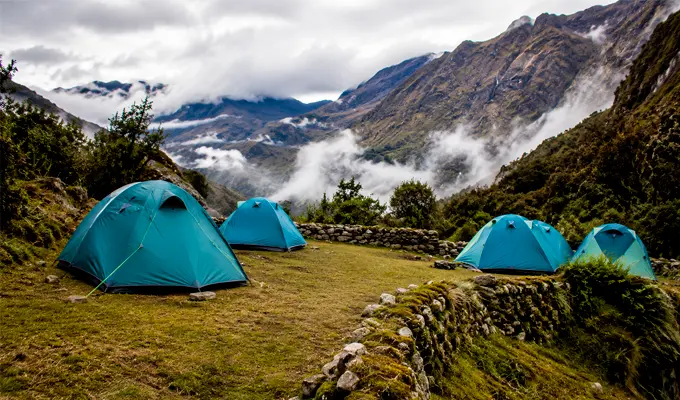
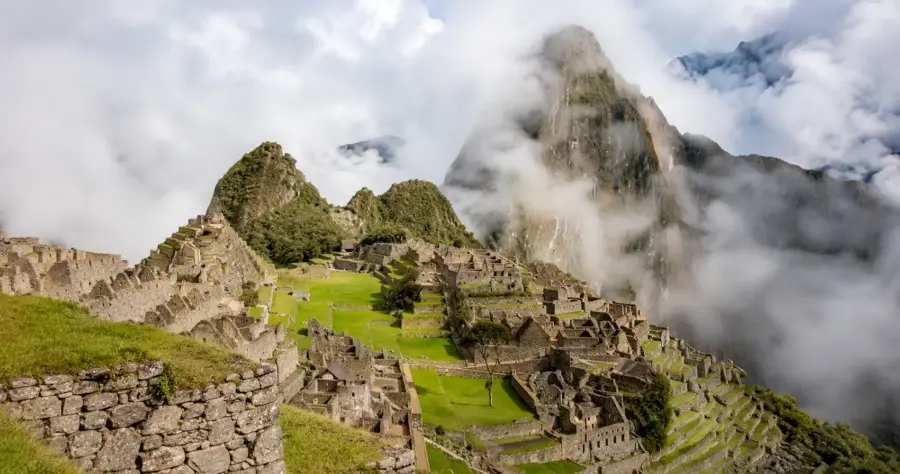
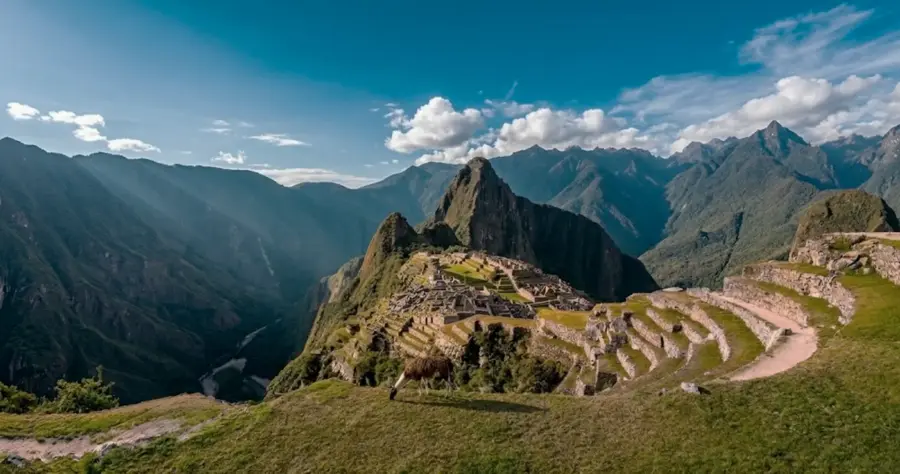
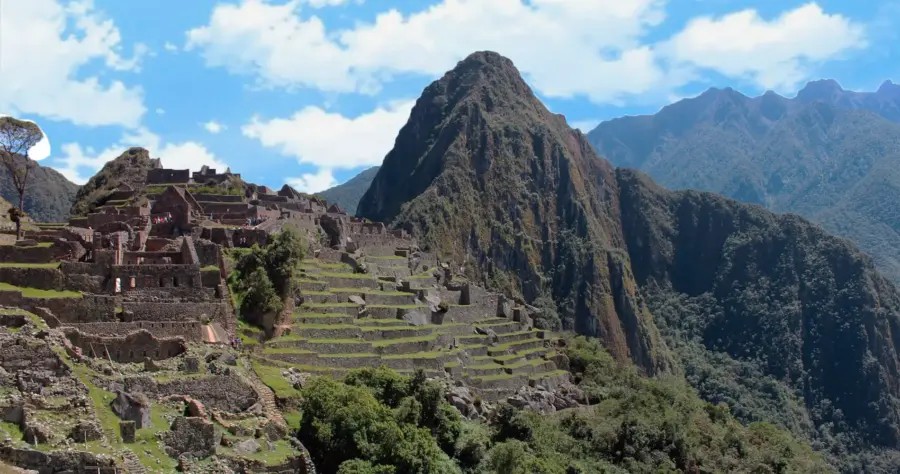
Although the idea of sleeping in front of the citadel may seem appealing, camping inside the Machu Picchu llaqta is not permitted. The archaeological site is part of a protected area with strict conservation regulations, so tents cannot be set up, campfires cannot be lit, and visitors cannot stay overnight inside the monument.
When talking about camping near Machu Picchu, the experience takes place outside the llaqta, mainly through trekking routes with organized campsites. On routes such as the Inca Trail or Salkantay Trek, spending the night at a campsite is part of the itinerary and allows you to approach Machu Picchu while respecting the permitted areas and the conditions of each route.
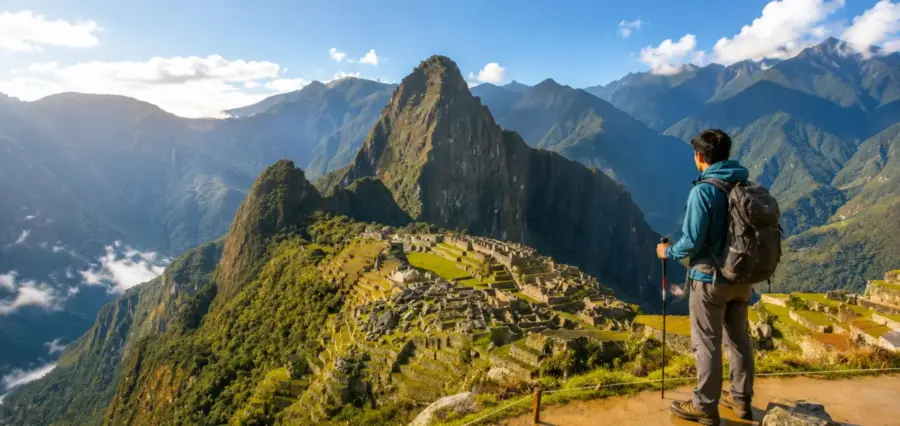
Reaching Machu Picchu can also be part of a multi-day hiking experience. For those who choose a trekking route, the journey allows them to discover different landscapes, camping areas, and natural surroundings before reaching the Inca citadel.
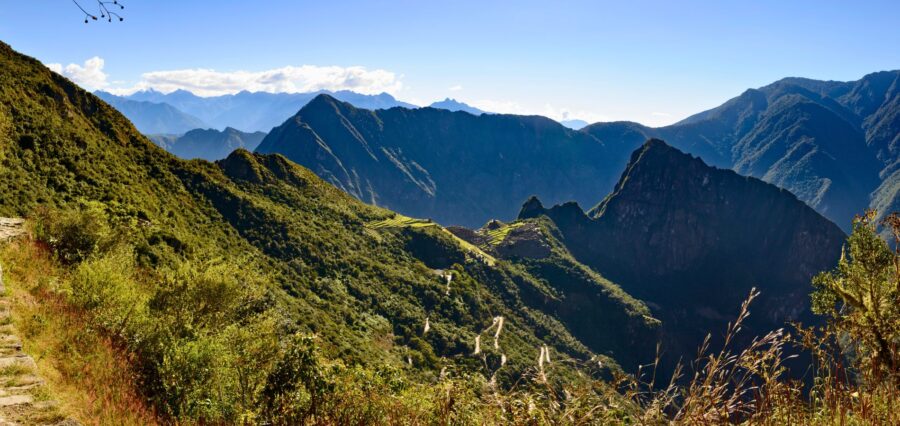
Hiking for several days through the mountains of Cusco allows you to see how the landscape changes between high-altitude areas, valleys, and cloud-forest zones. On routes such as the Inca Trail or Salkantay, camping nights are part of this transition and offer a different experience from arriving directly by train. The key is to do it as part of an organized itinerary, with appropriate equipment and while respecting designated overnight areas. If you still do not know which option best suits your trip, you can compare the Inca Trail or Salkantay Trek before making your choice.
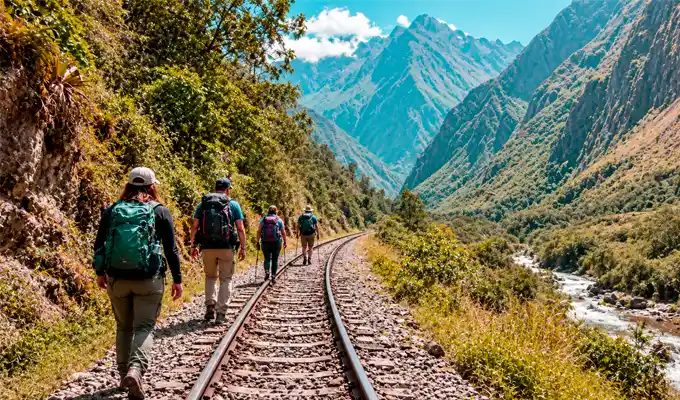
The route via Hidroeléctrica is an overland and walking alternative for reaching Machu Picchu Pueblo. The journey combines transportation from Cusco to Santa Teresa and Hidroeléctrica with a final hike following the Urubamba River valley and the railway tracks to Aguas Calientes.
Access usually involves traveling from Cusco to Santa Teresa and Hidroeléctrica, and then continuing on foot to Machu Picchu Pueblo. Road conditions, travel times, and available services may vary depending on the season, so it is advisable to check them before traveling. If you wish to spend the night in the area, confirm in advance which accommodations or designated spaces allow overnight stays; free camping should not be assumed to be permitted along the route.
Mandor is a natural option near Machu Picchu Pueblo, known for its gardens, lush vegetation, and waterfalls. It is a private property accessible on foot that offers a different experience within the cloud-forest environment surrounding Machu Picchu.
The National Inventory of Tourism Resources of Mincetur lists camping as one of the activities available at Mandor. However, since access and services may be affected by weather or operational conditions on the property, it is advisable to confirm before visiting whether camping is available, what services are included, and what the current rules are for overnight stays.
The Inca Trail is one of the routes where camping is a natural part of the experience. Along the way, travelers follow ancient Andean trails, cross different ecological zones, and spend the night at established campsites before reaching Machu Picchu.
There is no free camping on this route. Access is regulated, and campsites are organized at designated points along the itinerary. For this reason, the trek must be carried out with authorized operators and guides, and it is advisable to book in advance because permits are limited, especially during the months of highest demand. Before booking, also check these tips for hiking the Inca Trail, especially regarding weather, acclimatization, and equipment.
During the hike, you reach high-altitude areas and the physical effort can be considerable, so it is important to arrive well acclimatized and bring the appropriate equipment for the nights at camp. One of the most anticipated moments of the trek is reaching Intipunku, the Sun Gate, which offers one of the most iconic approaches to Machu Picchu.
The Salkantay Trek is one of the best-known trekking routes to Machu Picchu, crossing high-mountain landscapes and cloud-forest areas. Unlike the Inca Trail, the camping and accommodation experience may vary depending on the itinerary and operator you choose.
One of the main attractions of the Salkantay Trek is the gradual change in scenery: the route crosses high-altitude areas near Mount Salkantay and, as it descends, enters warmer and more humid areas with cloud-forest vegetation. Depending on the program booked, nights may be spent in campsites, shelters, domes, or other accommodations along the route. To learn about the stages, altitudes, and route conditions, consult our Salkantay Trek guide. It is therefore advisable to check in advance where you will spend the night, what equipment is included, and what weather and altitude conditions you can expect each day.
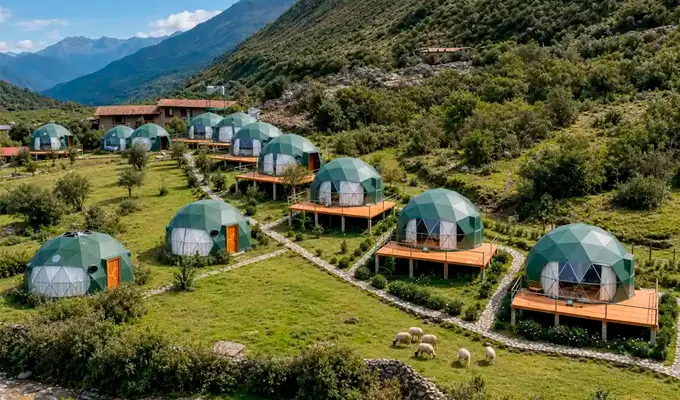
In addition to the Inca Trail and the Salkantay Trek, there are other routes that combine hiking, landscapes, and cultural visits around Machu Picchu. The type of accommodation or campsite depends on the itinerary, so it is advisable to check before traveling where you will spend the night and what services are included.
Sleeping at a campsite on a route to Machu Picchu requires more preparation than spending a night outdoors at lower elevations. Temperature, humidity, and ground conditions can vary considerably from one day to the next, especially on routes that connect high-mountain areas with cloud-forest zones. As humidity increases, there may also be a greater presence of mosquitoes in Machu Picchu and on nearby trails.
For this reason, it is advisable to check the expected conditions at each campsite and bring equipment suitable for the coldest point of the itinerary. In high-altitude areas, nights can be very cold, while descending toward more humid areas increases the perceived temperature and the presence of insects. Equipment should be chosen according to the route, time of year, and altitude of the campsites.
If you are going to spend several days in the mountains, it is also useful to know how to prepare for a high-altitude trek.
On many organized routes, the operator handles part of the camping logistics, such as tents, sleeping mats, or cooking equipment, but inclusions vary depending on the program booked. Before traveling, check which equipment is included and which personal items you need to bring yourself, especially a sleeping bag, warm clothing, waterproof gear, and a daypack.
The weather directly affects the camping experience on routes to Machu Picchu. In general, the year is divided into a drier season and another with more rainfall, but conditions can change even within the same day, especially in mountainous areas. If you are still deciding when to travel, check the best time to travel to Machu Picchu before finalizing your trek.
Drier season (May to September): generally offers more stable days and better conditions for hiking, although rain does not disappear completely. At higher-altitude campsites, nights can be very cold and temperatures may approach or fall below 0 °C, so it is important to bring adequate warm clothing and check the forecast before each day of hiking.
Rainy season (October to April): the likelihood of rainfall, fog, and wet or slippery sections increases. Vegetation is usually greener, but hiking requires greater preparation for rain and changing weather conditions. During this period, it is especially important to check the condition of the route before setting out, as heavy rainfall can temporarily affect some access points.
Important: the Inca Trail Network to Machu Picchu closes during February for maintenance and conservation work. Machu Picchu continues to receive visitors through its regular access routes, while other trekking routes should be checked separately because their operation depends on the conditions of each route.
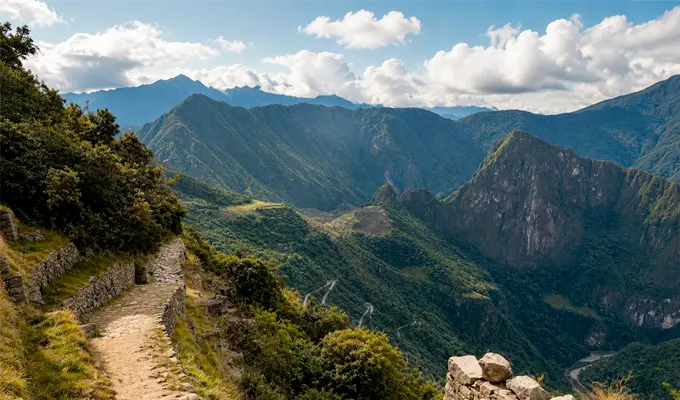
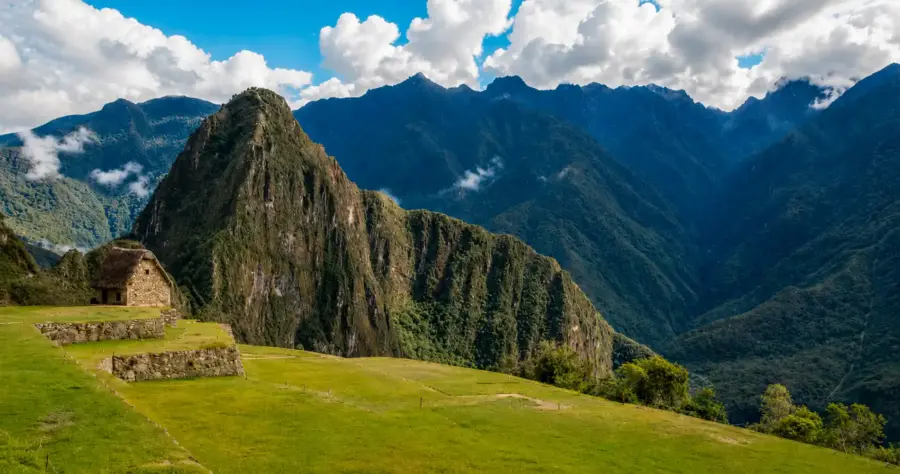
The surroundings of Machu Picchu encompass protected cultural and natural heritage, so any trekking or camping experience in the area should be carried out while respecting conservation regulations, established routes, and the instructions of authorities and responsible operators.
The main responsibility is to minimize the impact of your visit: use only permitted areas, respect the trails, manage waste properly, and avoid any action that could affect the heritage or natural environment. These measures are especially important on trekking routes and at campsites near Machu Picchu.
Best practices for responsible camping:
Before starting the route, check the specific campsite rules and the current conditions of the trail. For your visit to the llaqta, also consult the official Machu Picchu rules of conduct, which include restrictions on fires, waste, lithic elements, flora, fauna, and the use of established circuits.
It is possible to camp near Machu Picchu, but not inside the llaqta or freely at any point within the protected surroundings. The experience mainly takes place along trekking routes, at established campsites, and in designated spaces where overnight stays are permitted under specific conditions, as is the case with the Inca Trail, the Salkantay Trek, or Mandor.
The way you reach Machu Picchu can greatly change the travel experience. Those who choose a trekking route spend several days crossing mountains, valleys, and cloud-forest areas before reaching the Inca city, making the journey an important part of the visit.
If you are looking for a camping experience near Machu Picchu, the most important thing is to choose a suitable route, confirm where overnight stays are permitted, and prepare your equipment according to the altitude and season. This way, camping becomes a safe and responsible part of the journey to Machu Picchu, without confusing it with an activity permitted inside the llaqta itself.