
The Cantuta flower (Cantua buxifolia) is a native Andean shrub traditionally associated with Peru and the Inca world. The meaning of the Cantuta flower is linked to Andean identity, continuity, respect for nature and the cultural memory of the Incas. Often called the “sacred flower of the Incas,” it is popularly recognized as Peru’s national flower, although cultural recognition and formal legal designation are not the same.
Cantuta is also written as Kantuta, while Qantu appears in Peruvian cultural and legislative sources. Its tubular flowers and vivid colors have made the plant an enduring emblem of the Andes as well as a valuable ornamental species.
| Fact | Information |
|---|---|
| Common name | Cantuta / Kantuta |
| Scientific name | Cantua buxifolia Juss. ex Lam. |
| Andean name variant | Qantu |
| Botanical family | Polemoniaceae |
| Plant type | Andean shrub |
| Native range | Peru, Bolivia and northern Chile |
| Flower form | Tubular flowers growing in clusters |
| Documented colors | Red, white, yellow and violet |
| Cultural importance | Popularly recognized as Peru’s national flower and remembered as the sacred flower of the Incas |
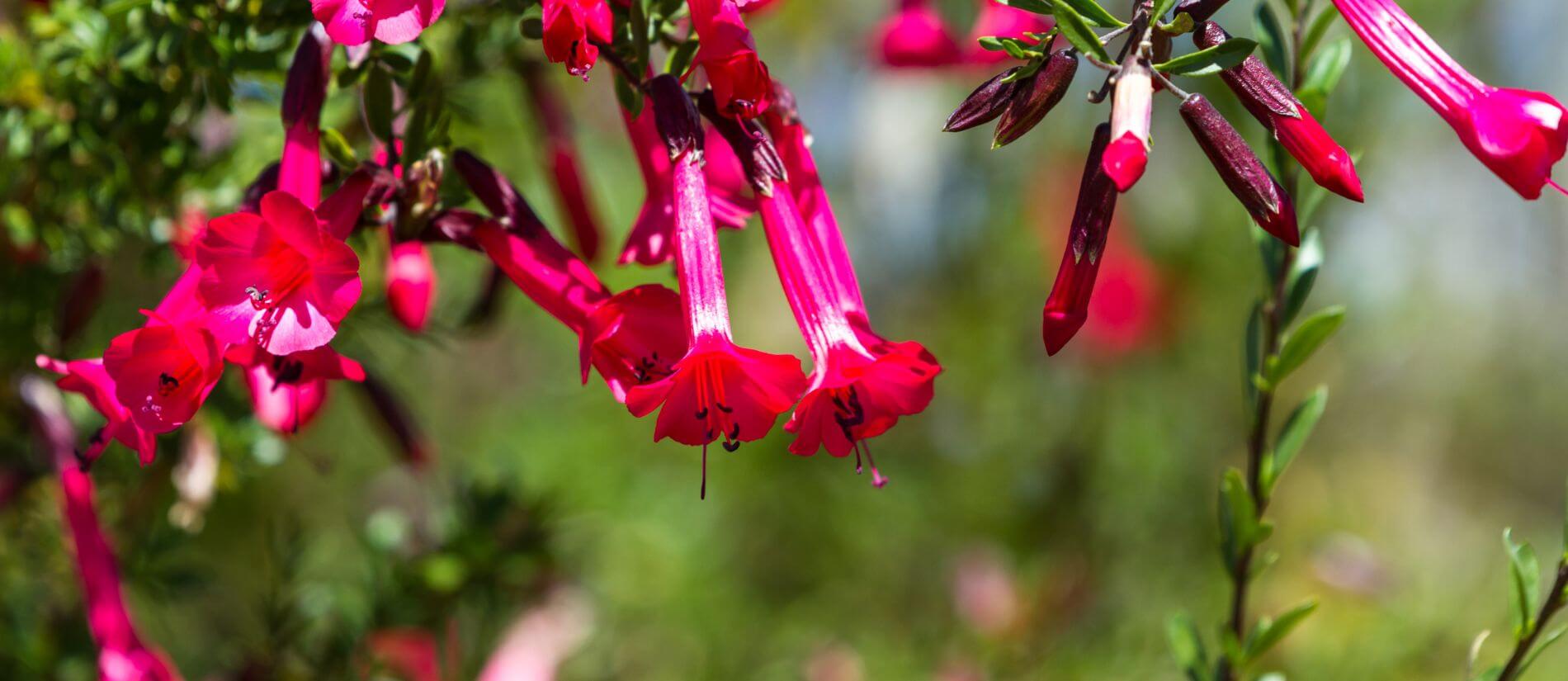
The accepted scientific name and botanical family are recorded by Kew Science’s Plants of the World Online. Peru’s Ministry of the Environment describes the Cantuta as a branched shrub with tubular flowers that grow in clusters.
Cantua buxifolia is a shrub adapted to Andean environments. Its narrow, tubular flowers occur in eye-catching clusters and may be red, white, yellow or violet. These colors make the plant easy to recognize and explain its long-standing ornamental value, but specific meanings should not be assigned to each color without reliable cultural evidence.
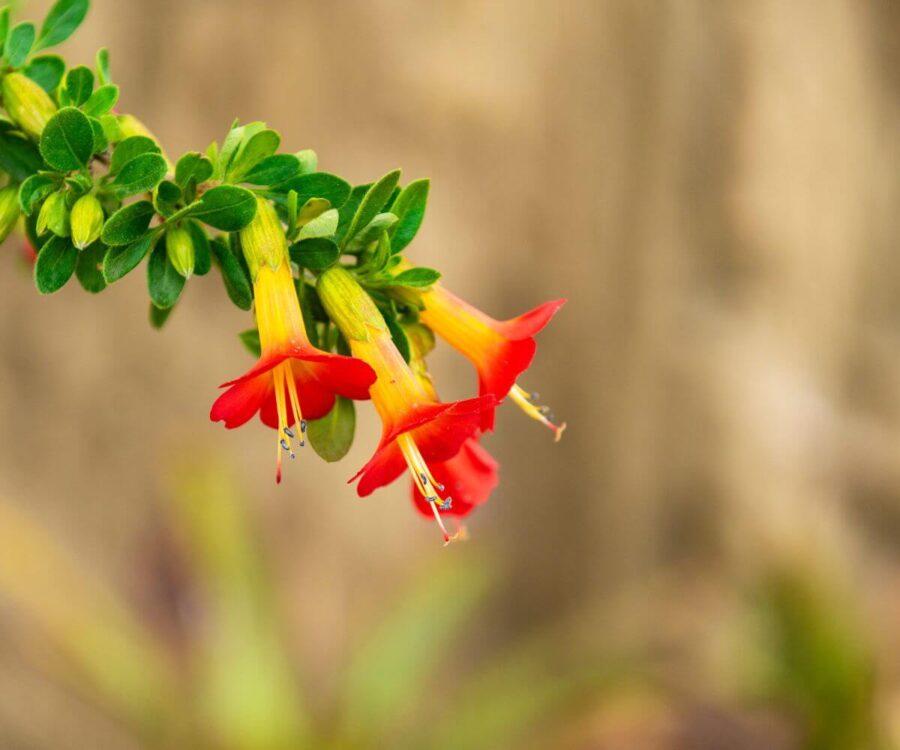
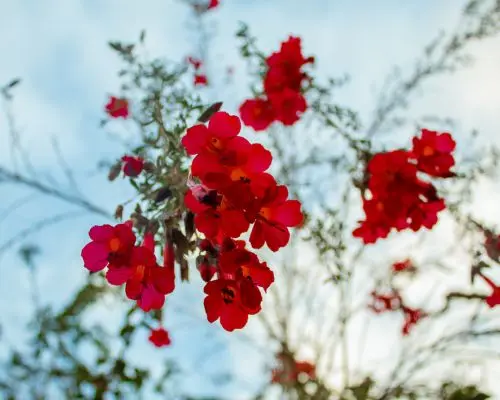
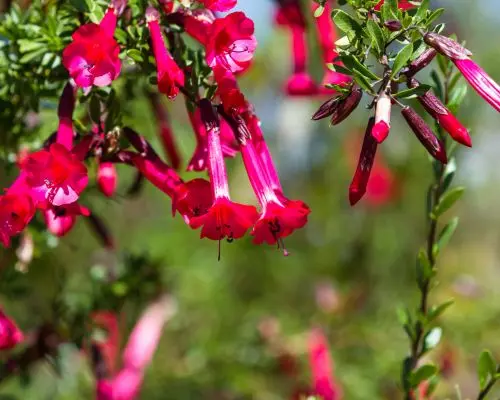
The Cantuta symbolizes Andean cultural identity, continuity and the relationship between people and the natural world. Its strongest historical association is with the Incas, who valued the flower in ceremonial life. Today it continues to evoke Peruvian heritage, native biodiversity and the living traditions of Andean communities.
Within Andean culture, the flower’s importance comes from its long presence in regional landscapes, celebrations and collective memory. It is commonly associated with respect for the land and with the continuity of customs passed between generations. These themes remain visible in Andean celebrations, including the Andean New Year in Cusco.
Peru’s Ministry of the Environment notes that the Cantuta was considered sacred during the Inca period and used as a representative symbol of achievements and conquests. This historical association explains why the flower remains connected with the Inca world and with traditions such as Inti Raymi in Cusco, although the role of the flower should not be generalized to every modern ceremony.
The Cantuta is popularly and culturally recognized as Peru’s national flower. However, cultural recognition is different from formal legal designation. In 2021, Peru’s Ministry of the Environment described it as popularly known as the national flower and stated that legal recognition was still being promoted. For accuracy, the Cantuta is best described as Peru’s emblematic or popularly recognized national flower unless a current law establishing formal status is cited.
The Cantuta is native to the Andes of Peru and Bolivia, with its broader accepted native range extending to northern Chile. In Peru it grows in inter-Andean and mountainous environments across several central and southern regions. Local conditions vary, so the flower should not be expected at every high-altitude site.
The plant is associated with valleys, mountain slopes and cultivated Andean settings. Its use as an ornamental shrub and for erosion control also means that some specimens are planted rather than strictly wild. Reliable sources differ in the level of detail they provide, so a single universal altitude or flowering season is not stated here.
Official Peruvian sources record the Cantuta in regions including Áncash, Apurímac, Ayacucho, Cajamarca, Cusco, Huánuco, Junín, Lima, Pasco and Puno. In Cusco and other historically Inca regions, its cultural significance is especially visible. Distribution records indicate regional presence, not guaranteed observation at every destination.
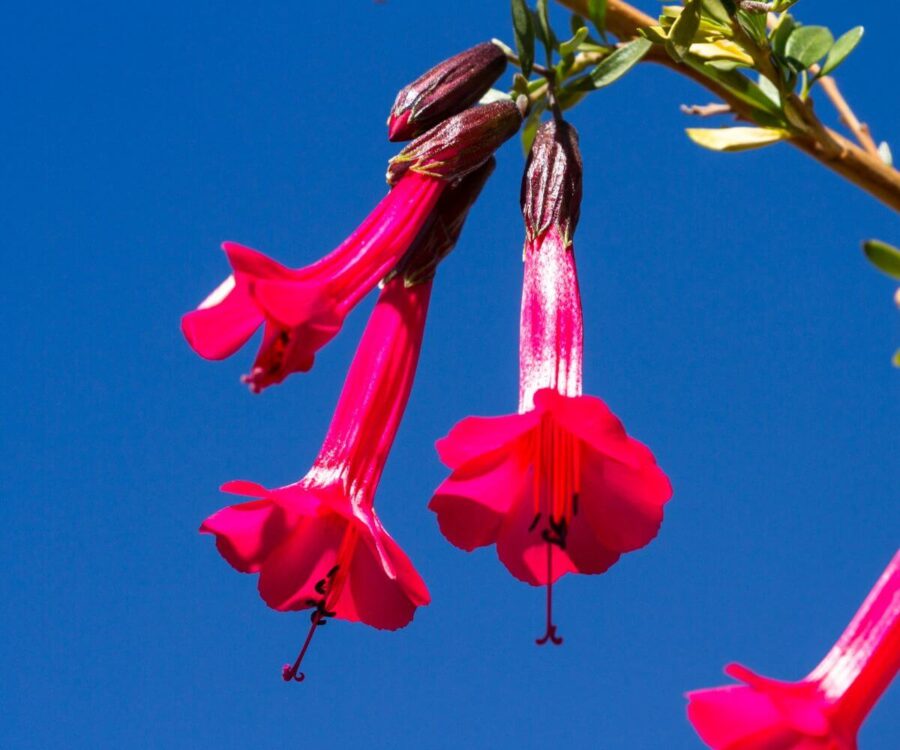
The Cantuta has been documented in ornamental, ceremonial and some traditional Andean practices. Peru’s Ministry of the Environment records local therapeutic and veterinary uses, but these references describe traditional knowledge rather than verified clinical treatments. This article does not recommend consuming or preparing the plant for medical purposes.
The flower’s continuing presence in cultural events reflects its role as a symbol of heritage. Travelers interested in living traditions can learn more through respectful encounters with Andean communities of Peru, where cultural interpretation should always come from local voices.
The Cantuta is documented in the Cusco region and may be seen in gardens, rural areas and suitable Andean habitats. Its regional presence connects naturally with the cultural landscapes around Cusco, the Sacred Valley and Machu Picchu, but a visitor is not guaranteed to find it at a particular archaeological site or during every season.
For travelers who want to understand the surrounding landscape as well as its history, a visit to the Sacred Valley of the Incas provides relevant cultural context without reducing the Cantuta to a tourist attraction.
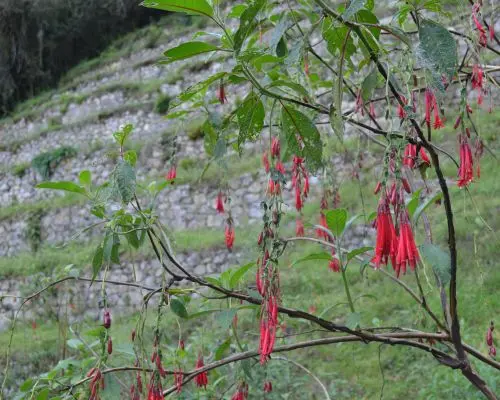
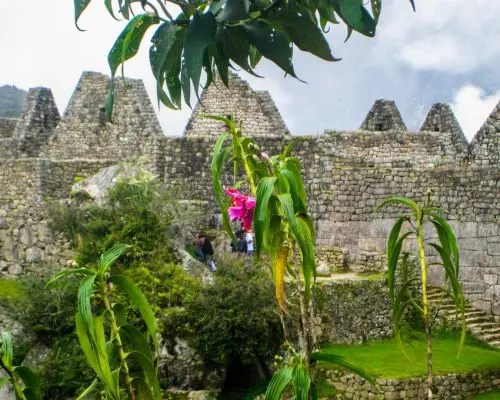
Protecting the Cantuta also means protecting the Andean habitats and cultural knowledge connected with it. Native shrubs contribute to local plant diversity, have ornamental value and can help stabilize some slopes. Conservation information should be reviewed against current official classifications rather than inferred from the flower’s symbolic importance.
The Cantuta is an Andean shrub scientifically known as Cantua buxifolia. It produces colorful tubular flowers and is closely associated with Peru, Andean culture and the historical memory of the Incas.
The Cantuta symbolizes Andean identity, cultural continuity and respect for nature. Its association with the Inca world has also made it an enduring emblem of Peru’s historical and cultural heritage.
It is popularly recognized as Peru’s national flower, but official Peruvian information published in 2021 distinguished that cultural recognition from formal legal designation. Any claim of official legal status should therefore cite a current law.
It grows in Andean environments across Peru and Bolivia, and its accepted native range extends to northern Chile. In Peru, official sources record it in several central and southern regions, including Cusco, Apurímac, Ayacucho and Puno.
Qantu is an Andean name used for the flower, while Cantuta and Kantuta are common spelling variants. Official Peruvian documents use the form “Cantuta or Qantu.”